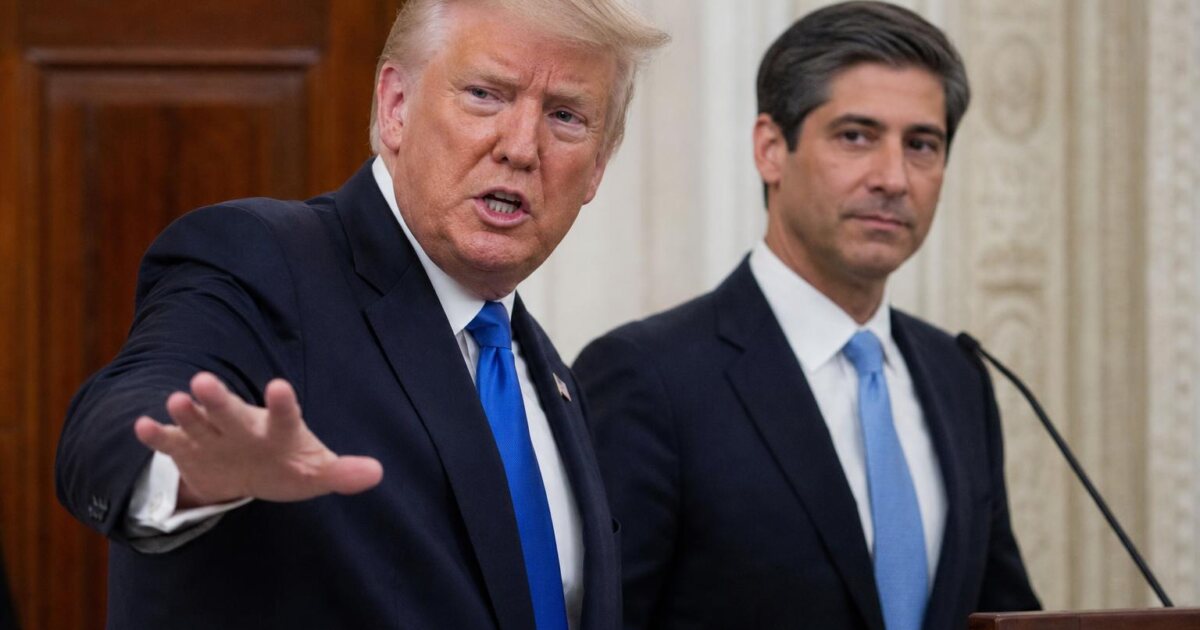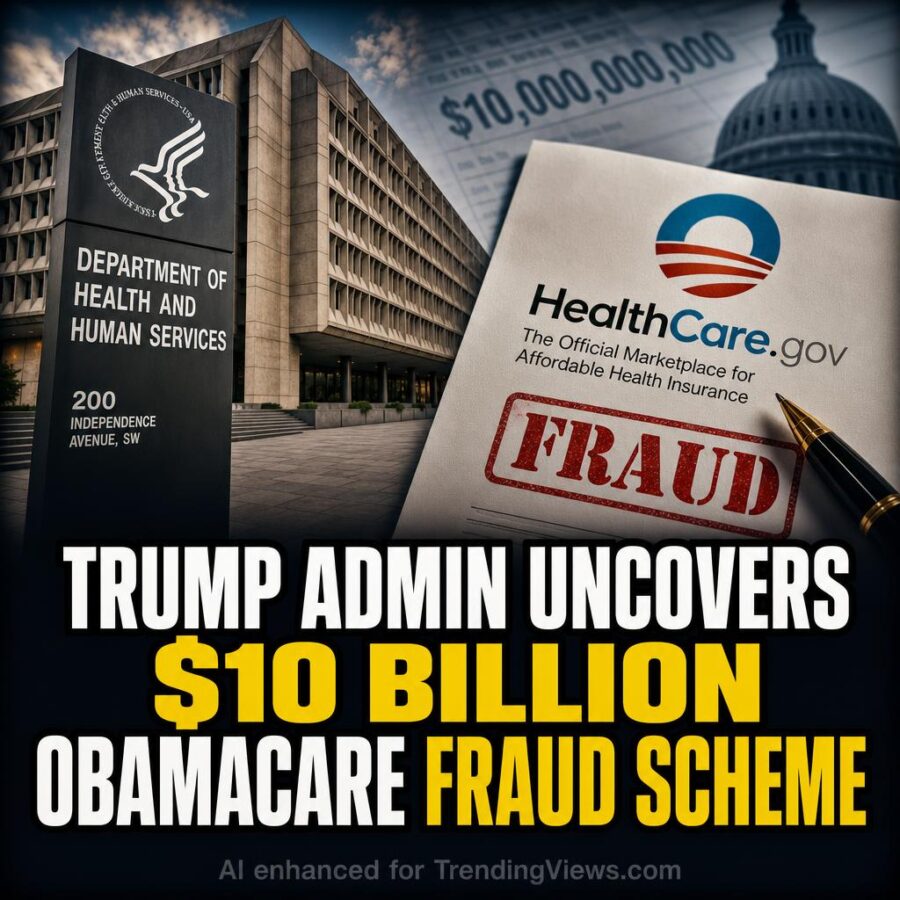
The Trump administration says ACA fraud cost taxpayers an estimated $10 billion per year.
That figure comes from a Trump administration official who spoke to Fox News Digital, describing what they call rampant abuse of Affordable Care Act health plans during the Biden years. The claim centers on millions of questionable enrollments that allegedly generated billions in unneeded federal subsidies, fueled by weakened eligibility rules.
Officials at the Department of Health and Human Services have been scrutinizing a sharp enrollment surge on ACA insurance exchanges between 2021 and 2024. During that window, the number of people selecting Marketplace plans more than doubled. The administration blames relaxed income verification requirements, expanded enrollment windows, and other Biden-era policy changes for opening the door to widespread abuse.
Special offer for our readers:
Tackle your credit card debt with 0% intro APR into 2027
As originally reported, a June HHS analysis estimated that improper, phantom, and fraudulent ACA enrollments peaked at roughly 5.6 million people in 2025. The report breaks the problem into distinct categories. Improper or fraudulent enrollment includes individuals who misrepresented their income to qualify for subsidies. Phantom enrollment refers to people who were signed up for plans without their knowledge, in some cases through unauthorized broker activity.
The $10 billion annual figure is an administration estimate and should not be confused with the government’s formal improper-payment data. The Centers for Medicare and Medicaid Services has consistently noted that an improper payment is not automatically fraud. It can also stem from administrative errors, missing paperwork, or failures to meet program requirements.
The formal numbers tell a more conservative story. For benefit year 2022, CMS and the IRS jointly estimated roughly $926 million in improper premium tax credit payments out of approximately $57 billion in total payments and claims. That is a fraction of the $10 billion figure the Trump administration now cites.
The administration argues the formal measurements failed to capture the full scope of the problem. The broader enrollment data, officials contend, point to abuses that earlier audits simply did not account for.
The dispute matters because it shapes what policy responses are justified. If the $10 billion estimate holds up, it would represent one of the largest ongoing subsidy abuses in federal health program history. If the figure overstates the problem, critics will argue the administration is using inflated numbers to justify rolling back coverage that millions of Americans rely on.
What is not in dispute is that ACA enrollment grew dramatically under Biden and that some portion of that growth involved enrollments that should not have happened. How large that portion is, and how much it actually cost taxpayers, remains the central question.