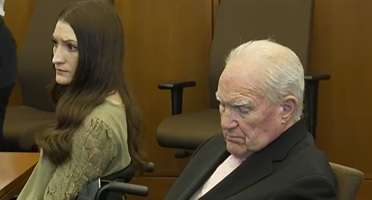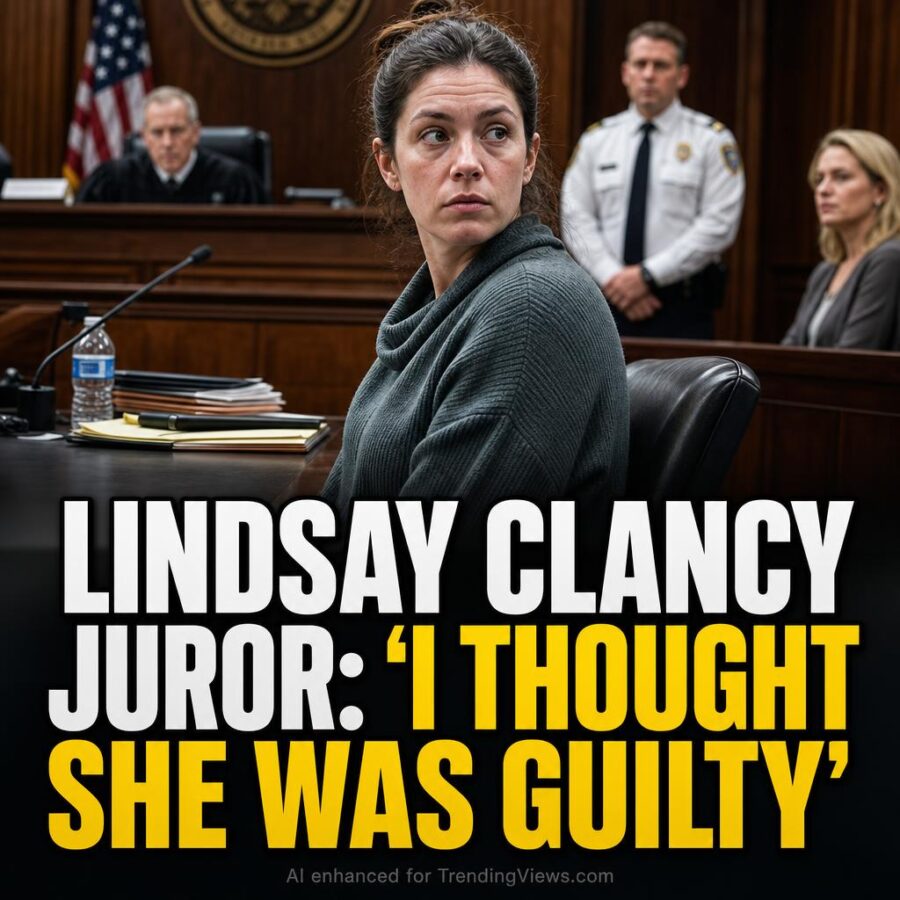
A juror who voted to acquit Lindsay Clancy once believed she was guilty of killing her three children.
The woman, identified by CBS Boston as juror No. 5, said she entered deliberations convinced that Clancy, a Massachusetts mother, bore criminal responsibility for the deaths of her three young children. Her position shifted during a heated deliberation process that ultimately ended in an 11-1 deadlock, resulting in a mistrial declared last week.
Juror No. 5 chose to remain anonymous in speaking publicly about her experience. Her admission offers a rare window into how divided the jury was and how dramatically at least one juror’s view changed before the panel failed to reach a unanimous verdict.
Special offer for our readers:
Put Interest On Ice into 2027
As originally reported, the juror’s reversal came during deliberations that were described as contentious, underscoring how deeply the case divided those tasked with deciding Clancy’s fate.
The mistrial means the case against Lindsay Clancy remains unresolved. A single holdout juror stood between acquittal and a hung jury, reflecting just how far apart members of the panel were when deliberations concluded.
The case drew national attention given the nature of the charges. Clancy, a mother from Massachusetts, was accused of killing her three young children, a set of facts not in dispute. The central question for jurors was whether she bore criminal responsibility for those deaths, and on that question, the jury could not agree.
Juror No. 5’s account reveals that the final vote was not simply the product of a jury that was divided from the start. At least one member arrived believing Clancy was guilty and left the room voting the other way, suggesting the deliberations themselves played a significant role in shaping the outcome.
The 11-1 split that produced the mistrial leaves the case in legal limbo. Prosecutors now face a decision about whether to retry Clancy, while her legal team can point to a jury that came within one vote of acquitting her entirely.
The disclosure by juror No. 5 adds a new dimension to public understanding of how the trial ended. Rather than a straightforward deadlock among jurors who never agreed, at least part of the jury moved significantly during deliberations, only to fall short of the unanimous verdict required under the law.
What happens next in the Lindsay Clancy case has not been determined publicly. But the juror’s account makes clear that the path to a mistrial was not a straight line, and that the outcome turned on a single, unmovable vote.