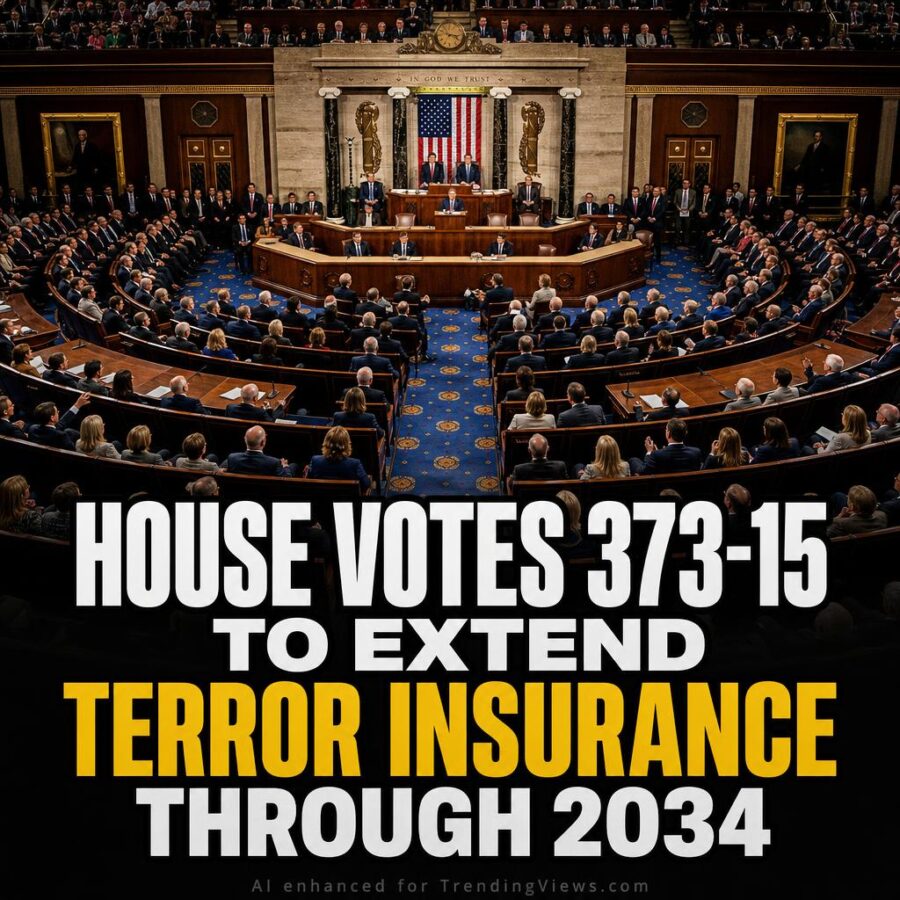
The House voted 373-15 to extend the federal terrorism insurance backstop, one of the most lopsided bipartisan votes of this Congress.
Lawmakers passed H.R. 7128, the TRIA Program Reauthorization Act of 2026, on June 29. The bill extends the Terrorism Risk Insurance Program through 2034, seven years beyond its current expiration date of Dec. 31, 2027. The vote came with the anniversary of the Sept. 11, 2001 attacks approaching.
Every Democrat who voted supported the bill. The final tally was 191 Democrats, 181 Republicans, and one independent in favor. Fifteen Republicans voted no. Forty-three House members did not vote.
Special offer for our readers:
Stop Throwing Out Money: Pay No Interest Until 2027
The bill moved under suspension of the rules, a procedure reserved for legislation expected to pass easily and requiring a two-thirds majority.
As originally reported, Congress created the Terrorism Risk Insurance Program in 2002 after the Sept. 11 attacks caused massive insured losses and effectively collapsed the private market for terrorism coverage. Insurers stopped offering that protection because calculating the odds and costs of another catastrophic attack proved nearly impossible. Congress responded by building a shared-risk structure where private insurers continue covering terrorism but the federal government backstops losses from a major certified attack.
The program does not automatically pay claims after any act of terrorism. The Treasury secretary must first certify an event as terrorism. A single incident generally must cause more than $5 million in insured property and casualty losses to qualify for certification. Even then, industrywide insured losses must exceed $200 million before federal loss-sharing kicks in.
Once those thresholds are met, individual insurers absorb a deductible equal to 20 percent of their prior year’s eligible premiums. The federal government then covers 80 percent of eligible insured losses above that deductible, with insurers covering the remaining 20 percent.
H.R. 7128 preserves that basic structure while making targeted changes. Starting in 2029, the minimum loss threshold for certifying a single event rises from $5 million to $10 million. That certification threshold is separate from the $200 million industrywide trigger that governs when federal loss-sharing begins.
The bill also adds transparency requirements for the Treasury Department. When officials begin evaluating whether an event qualifies as terrorism, they would generally be required to issue public notice. A 90-day review framework would apply, with a limited extension allowed if officials lack sufficient information.
Supporters say that clearer timeline reduces uncertainty for insurers, businesses, and property owners in the wake of a major attack.
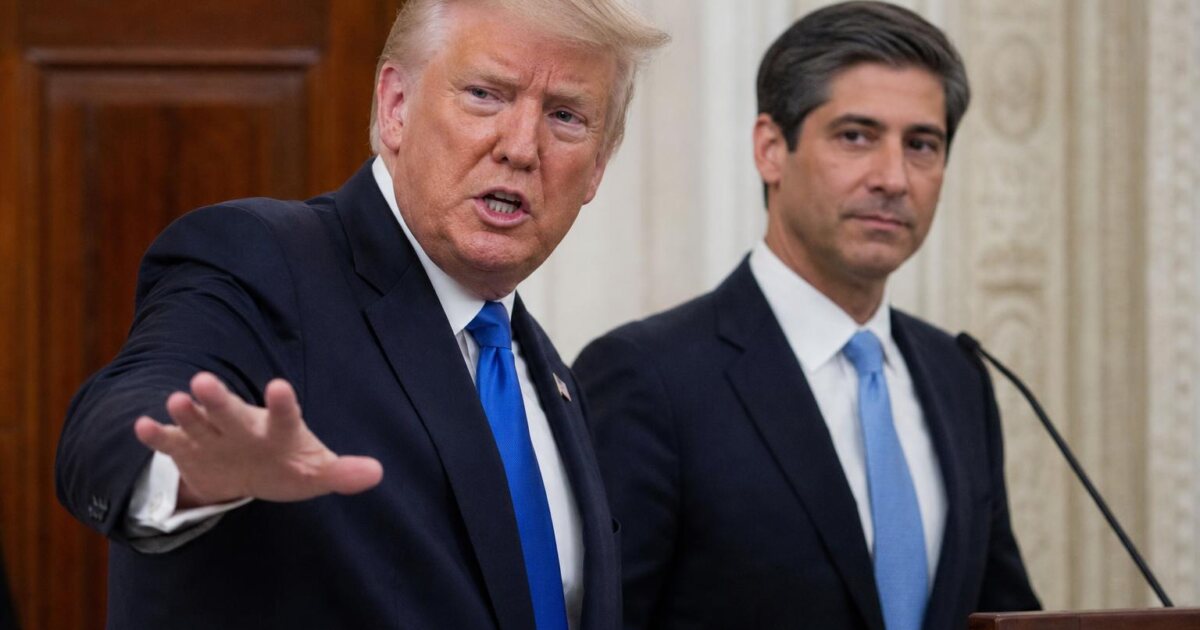
The bill is sponsored by Rep. Mike Flood, a Nebraska Republican and chairman of the House Financial Services Subcommittee on Housing and Insurance. The Financial Services Committee approved it 51-2 in January before it reached the floor.
Flood noted during House consideration that the program has never paid a single claim since its creation. No terrorist attack has been certified under TRIA in the program’s entire history.
House Financial Services Committee Chairman French Hill, Republican of Arkansas, argued the program gives policyholders confidence that terrorism coverage will remain available for major commercial properties, and that the updates in the bill strengthen taxpayer protections if the backstop is ever triggered.