On May 21, 2026, the Trump administration announced significant changes to two Environmental Protection Agency (EPA) rules established during the Biden era, focusing on refrigerants. This decision is part of a broader initiative aimed at reducing grocery costs for consumers.
Key Changes to Refrigerant Regulations
One of the major actions involves delaying the deadlines for grocery stores and other companies to phase out the use of hydrofluorocarbons (HFCs) as specified in the 2023 Technology Transitions Rule. These chemicals, commonly used in refrigeration and cooling systems, are classified as “super pollutants” due to their potential to trap heat in the atmosphere considerably more effectively than carbon dioxide, despite their relatively short lifespan.
The White House claims that this roll-back will increase the availability of these refrigerants, which are crucial for freezers, refrigerators, and air-conditioning systems across supermarkets, households, and businesses. They estimate that these changes could lead to savings of around $900 million, with grocery stores benefiting from about $800 million of that figure.
Special offer for our readers:
Tackle your credit card debt by paying 0% interest until 2027
Amendments to the Emissions Reduction Program
Additionally, the EPA amended the 2024 Emissions Reduction and Reclamation program to exempt all road refrigerant appliances used in goods transportation from new leak requirements concerning hydrofluorocarbons. The administration projects this amendment could generate further savings of approximately $1.5 billion.
Business Leaders Respond
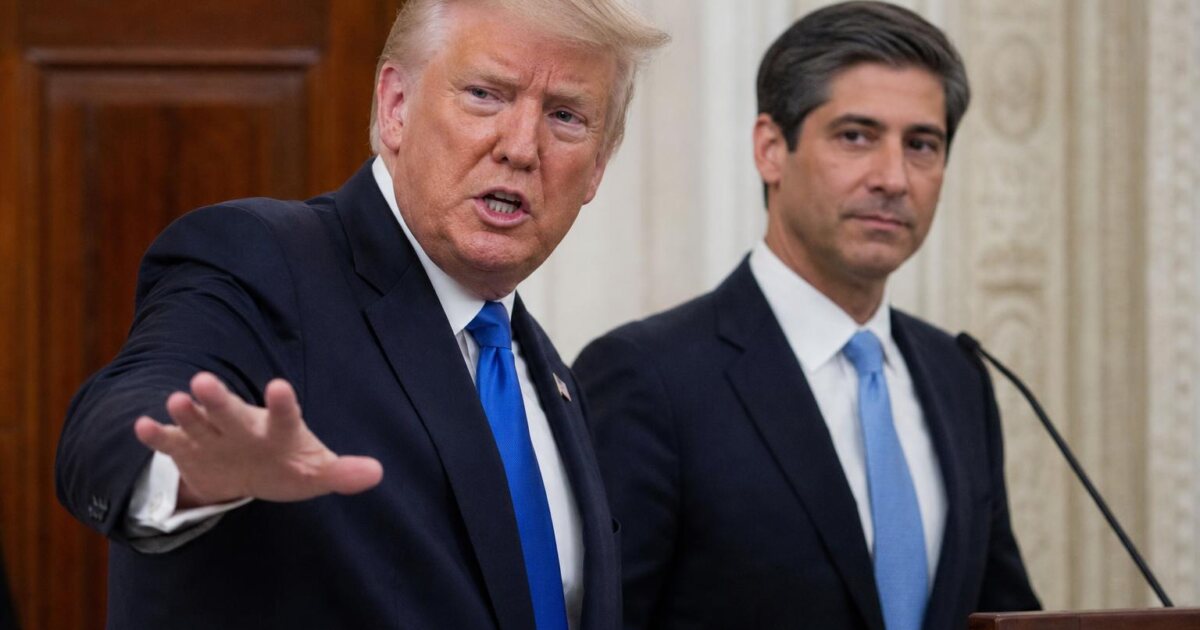
During an Oval Office event where these changes were announced, President Trump was flanked by executives from major grocery chains, including Kroger, Piggly Wiggly, and Fareway Stores. While these executives did not make contractual commitments to ensure that cost savings would be passed on to consumers, Kroger CEO Greg Foran indicated his company was already working towards achieving that.
Trump described the previous refrigerant regulations as a “tremendous burden” that inflated food prices at grocery stores. He expressed that supermarkets were compelled to switch to energy-efficient refrigerators, which he claimed were less efficient. Trump emphasized his intent to repeal the full rule governing the phaseout of hydrofluorocarbons, stating, “We have to get rid of the law that was signed quite a while ago because ultimately we want to make it permanent.”
Environmental Impact Concerns
When the hydrofluorocarbon phaseout was approved in 2023, the Biden administration cited the severe greenhouse gas emissions associated with these compounds, which can have global warming potentials significantly surpassing that of carbon dioxide. The EPA projected that adhering to the original rule would reduce emissions equivalent to approximately 876 million tons of carbon dioxide between now and 2050, potentially saving over $50.4 billion through climate-change mitigation.
Trump, however, dismissed any environmental repercussions, asserting, “It’s not going to have any impact on the environment.”
Statements from the EPA Administrator
E.P.A. Administrator Lee Zeldin, present at the White House event, criticized the previous regulations as not protective of human health or the environment. Zeldin argued that the new changes allow businesses to select the refrigeration systems that best meet their needs while saving them billions of dollars, benefits he claimed would ultimately reduce grocery prices for American families.
Broader Context and Future Implications
The Trump administration has consistently rolled back various environmental and climate regulations established under both the Biden and Obama administrations as part of a wider deregulation agenda. This latest move occurs amid rising inflation, which poses a political challenge for Republicans in the lead-up to the November midterm elections. The consumer price index saw a significant increase of 3.8% in April 2026, marking the largest inflation rise in three years, influenced by escalating oil prices due to the ongoing conflict in Iran.
Grocery prices also reflected the trend, climbing by 2.9% in April compared to the previous year after a 0.7% increase from the preceding month.