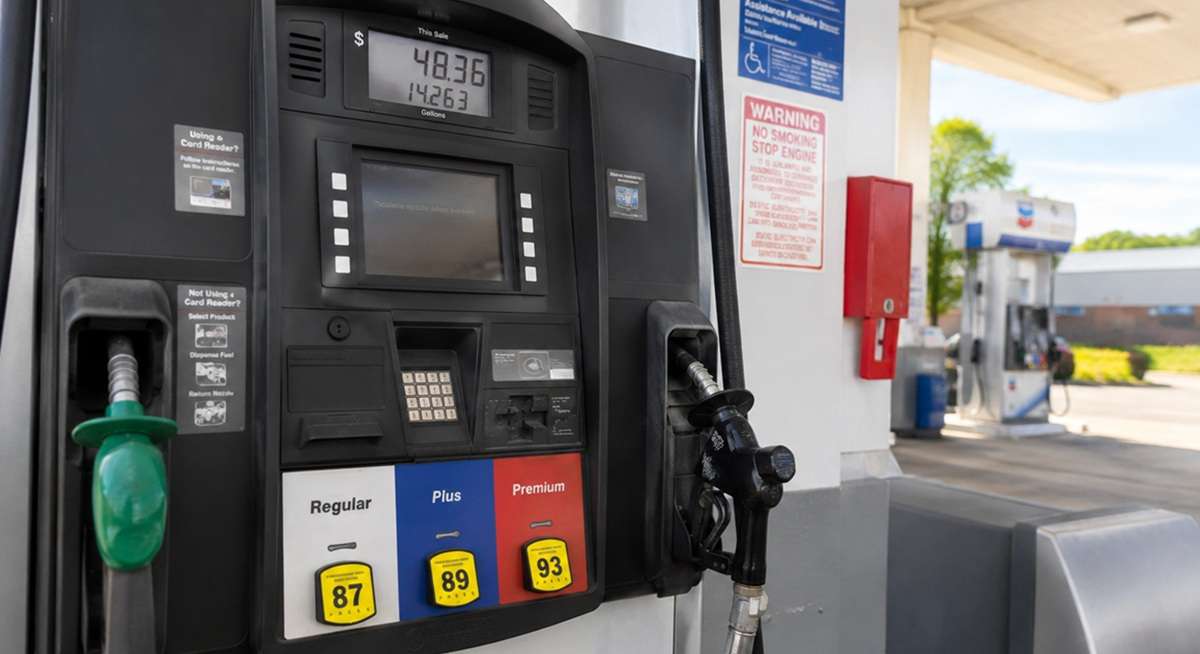
A recent vote in the House of Representatives has advanced legislation aimed at providing a more affordable fuel alternative for American drivers. On Wednesday, House Republicans supported a bill by a vote of 218-203 that would permit year-round sales of E15 ethanol fuel, a move that could help reduce costs at the pump for many consumers. Despite the bill passing in the House, its future in the Senate remains uncertain, but its approval could offer significant financial relief to drivers grappling with escalating fuel prices.
About the Nationwide Consumer and Fuel Retailer Choice Act
If enacted, the Nationwide Consumer and Fuel Retailer Choice Act would allow for the sale of E15 ethanol fuel throughout the year. E15 is a fuel blend that contains 15% ethanol and is generally more affordable compared to the more commonly used E10 gasoline, which consists of 10% ethanol. Most gasoline sold in the United States is E10, according to the Environmental Protection Agency (EPA). E15 is primarily available in the Midwest and can currently be found at over 3,000 gas stations across the country.
Under current regulations, E15 sales are prohibited from June 1 to September 15 due to fuel vapor requirements established by the Clean Air Act. Allowing year-round sales of E15 could enhance its availability, particularly during the busy summer travel season.
Special offer for our readers:
Tackle your credit card debt with 0% intro APR
Temporary Waivers and Previous Efforts
This bill is not the first attempt to extend the availability of E15. In March, the EPA and the U.S. Department of Energy issued a temporary emergency fuel waiver allowing E15 sales nationwide. Set to take effect on May 1, this waiver permits E15 to remain on the market during the summer months when sales would typically be restricted. While this temporary measure aims to alleviate high fuel costs, it is not intended to modify existing environmental protections.
The proposed legislation to allow year-round E15 sales would solidify the temporary waiver into permanent law. Historically, the EPA has granted summer waivers since 2011, suggesting that the transition to a permanent measure is feasible.
Potential Cost Savings
Information regarding the average price of E15 remains somewhat limited. However, a study by the Renewable Fuels Association noted that when national gas prices approached $4 per gallon in 2022, E15 was priced at approximately $3.41 per gallon. Based on this, drivers utilizing E15 could save around $0.25 per gallon. Given that E10 prices have risen to about $4.54 per gallon, a pricing difference could translate to a potential savings of 5% to 10% for drivers opting for E15.
Considerations and Limitations of E15
Despite the cost advantages at the pump, the savings associated with E15 fuel are not without their complications. E15 contains less energy than standard gasoline, meaning that drivers may need to purchase more E15 fuel to travel the same distance they would with E10. Consequently, while E15 may be cheaper per gallon, drivers might end up spending more overall if the increased volume required offsets the lower price.
Environmental impacts of ethanol fuel are also a topic of discussion. Ethanol, derived from fermenting sugars in crops such as corn, can produce more smog in high temperatures, raising concerns about the environmental implications of widespread E15 use during summer months.
Vehicle Compatibility and Accessibility
According to the EPA, most vehicles manufactured after 2001 are compatible with E15 fuel. However, there are limitations. E15 is not suitable for motorcycles, boats, snowmobiles, lawn mowers, chainsaws, or heavy-duty vehicle engines. Drivers are advised to consult their vehicle’s owner manual to determine the appropriate fuel type.
While E15 is available in 31 states, predominantly in the Midwest, its widespread adoption and accessibility remain limited. Many gas stations may choose not to offer E15, leaving consumers dependent on their local market conditions.
Opposition to the Bill
Though the bill’s passage could benefit farmers and biofuel producers, it has faced significant opposition. Environmental advocates express concern that increasing ethanol demand could disrupt crop allocations and harm ecosystems. Additionally, lawmakers from oil-producing states have voiced worries about the potential consequences for small refineries.
While the House has passed the bill, it still requires a 60% majority in the Senate for final approval before becoming law. Its eventual success remains uncertain due to ongoing debates and opposition. In the meantime, the temporary waiver will allow E15 sales to continue through the summer, providing some degree of relief on fuel costs for those who can access it. As consumers navigate high fuel prices, exploring options to improve financial situations remains paramount.