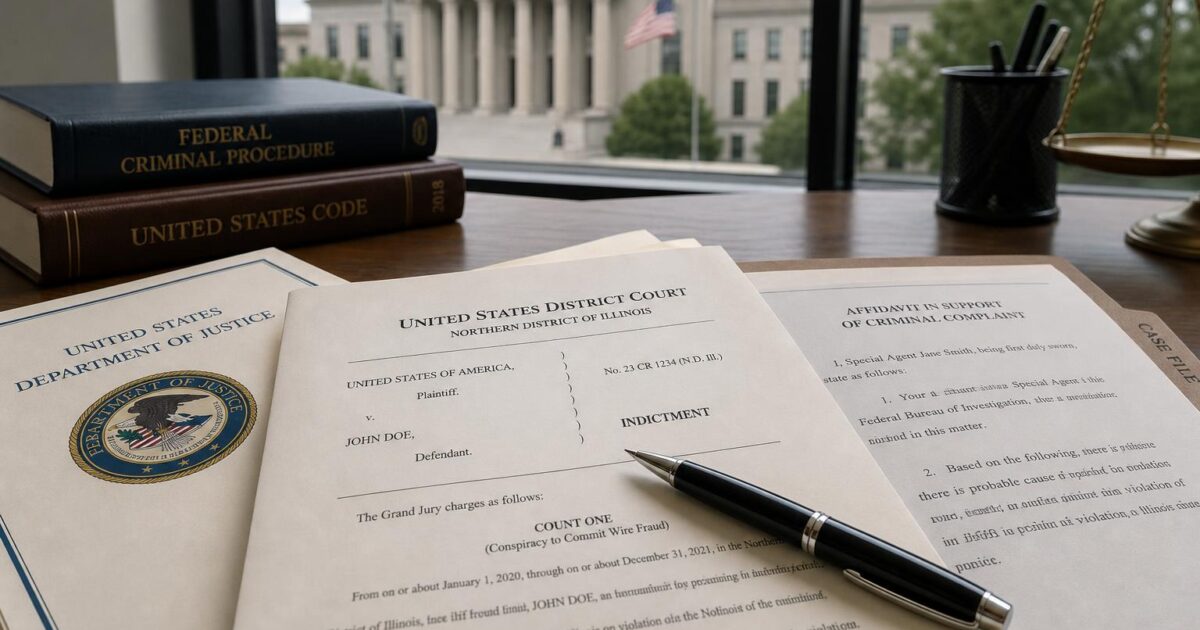
When the Assistant Attorney General puts a state election official on five-day notice with criminal prosecution on the table, it signals the federal government has seen enough.
That is exactly where Oregon finds itself right now. A letter directed at Secretary of State Tobias Read lays out a stark demand: comply with federal election law, clean up the voter rolls, and ensure noncitizens are not casting ballots in federal elections. Failure to act carries the threat of criminal liability.
The backstory matters here. Oregon’s Motor Voter program, which automatically registers people to vote when they obtain or renew a driver’s license, erroneously added nearly 2,000 individuals to the voter rolls without verifying their citizenship. This was discovered back in 2024. Of those individuals, 43 actually cast ballots. State officials quietly deactivated the registrations, investigated the cases, and closed most of them without charges.
Special offer for our readers:
Stop Throwing Out Money: Pay No Interest Until 2027
Then, apparently, Oregon considered the matter resolved.
As originally reported, the Department of Justice does not share that view. The letter makes clear that knowingly maintaining ineligible voters on rolls, or facilitating their participation in federal elections, exposes state officials to criminal liability under existing federal law. This is not a new legal standard. It is the law as it already stands, directed at officials who failed to enforce it independently.
Senator Ron Wyden quickly labeled the DOJ action “another desperate attempt by Trump to make it harder for Oregonians to vote.” It is a familiar response. Any effort to verify voter eligibility gets reframed as suppression. Any federal oversight of a system that demonstrably failed gets cast as the real problem, rather than the failure itself.
But the numbers are Oregon’s own. Nearly 2,000 people registered without citizenship verification. That figure comes from Oregon’s official investigation, not from any outside political actor. The state’s response was a quiet administrative cleanup with no public announcement of systemic reforms and no clear plan to prevent the same errors ahead of the 2026 midterms.
That is a serious problem. Elections across the country are routinely decided by margins far smaller than 2,000 votes. The integrity of federal elections is not a matter states can treat as optional when enforcement becomes politically inconvenient.
The SAVE America Act has been proposed as a long-term fix, requiring proof of citizenship at the point of registration and closing the gap that Oregon’s system exposed. Whether that legislation advances before the next election remains to be seen.
For now, the five-day clock is ticking for Secretary Read, and the federal government has made its expectations clear.