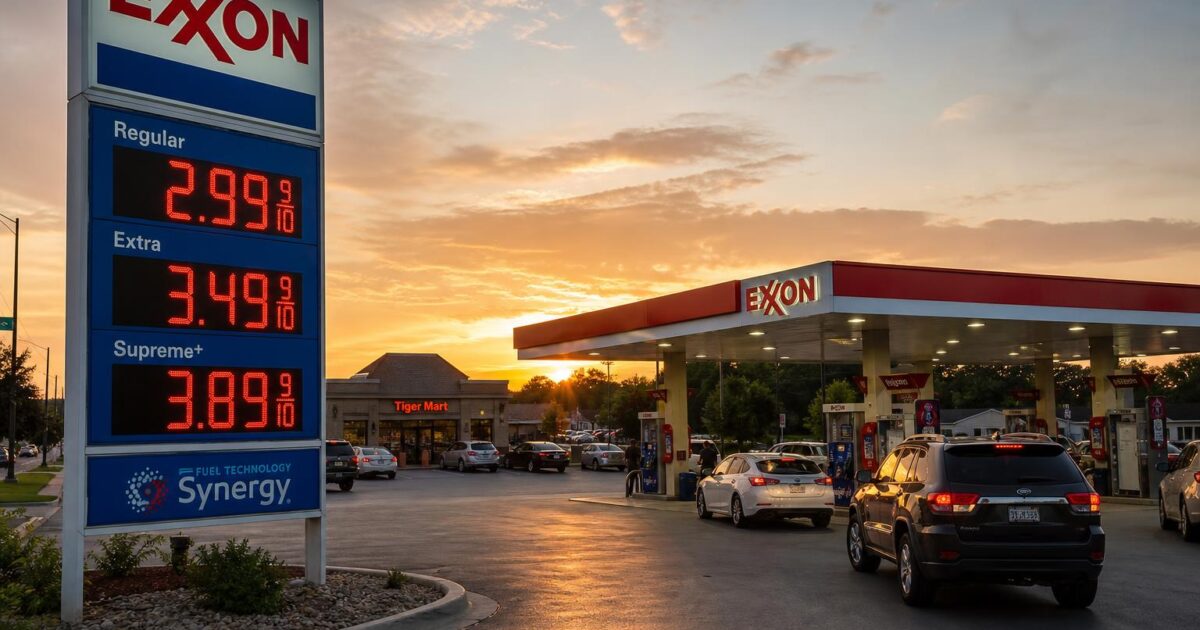
Inflation just made its biggest move in five years, and for once, it moved in the right direction.
Consumer prices fell sharply in June, delivering the steepest one-month drop since the early days of the COVID-19 pandemic. The trigger was a significant pullback in energy costs, following a memorandum of understanding signed between the U.S. and Iran aimed at easing tensions in the region.
The Consumer Price Index came in at 3.5% year over year, while prices dropped 0.4% from May. That was a bigger decline than most economists had predicted.
Special offer for our readers:
8 Top Credit Cards Offering Introductory No Interest into 2027
As originally reported, the Bureau of Labor Statistics confirmed this was “the largest 1-month decrease since April 2020,” with energy prices alone falling 5.7% in June. Gasoline led the retreat after weeks of turbulence in global markets.
Other categories also dragged inflation lower, including apparel, used cars and trucks, and housing costs.
But the report was not entirely good news.
Food prices moved higher in June. The BLS noted that four of the six major grocery store food group indexes increased during the month. Eating out got more expensive too, with the “food away from home” category rising 0.2% and full-service meals climbing 0.4%.
Core inflation, which strips out food and energy, was flat for the month. That beats another increase, but it also signals the underlying price problem has not gone away.
The White House used the report to back President Donald Trump’s argument that increasing traffic through the Strait of Hormuz and pushing oil prices lower would ease inflation pressures.
The good news, however, may be short-lived.
June’s data does not capture what has happened in energy markets this week. Oil prices have already surged roughly 15% following a fresh round of tensions in the Persian Gulf. That raises the real possibility that gas prices could climb again in the weeks ahead.
The situation at critical oil storage hubs adds another layer of concern. Those facilities have been drawn down to keep prices in check, but they are now sitting at decades-low levels. Refilling them could require hundreds of millions of barrels, which would put further upward pressure on prices.
Meanwhile, the artificial intelligence boom is creating a separate inflation headache. Tech giants are racing to build out massive data centers and AI infrastructure, driving fierce competition for memory chips and other key hardware components. With only a small number of global manufacturers producing that equipment, prices are spiking fast.
Apple raised prices on many of its flagship products last month, citing the pressure. The rapid expansion of AI data centers has created an extraordinary surge in demand for memory and storage,” the company said. “We have never seen a component price increase this much, this quickly.”
June’s inflation report brings real relief. Whether it lasts is another question entirely.