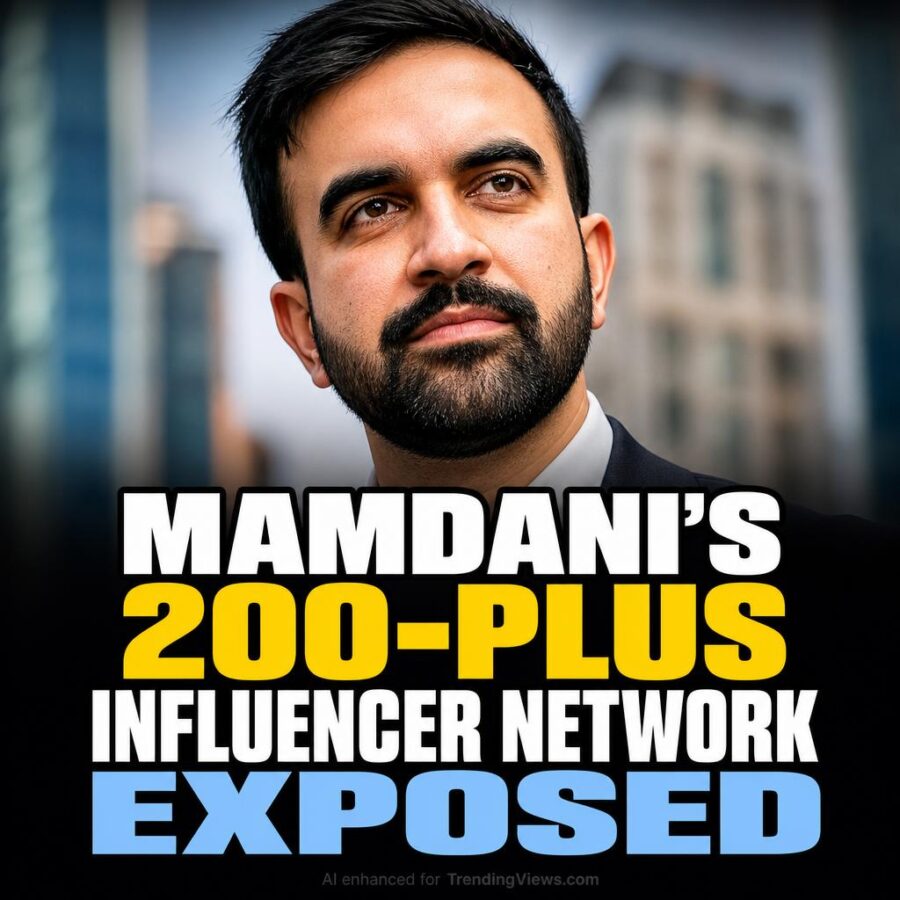
A network of more than 200 social media influencers has been built by New York City Mayor Zohran Mamdani’s administration.
The network’s purpose is straightforward. City Hall feeds influencers talking points, video clips, and direct access to administration officials. In return, those creators push Mamdani’s Democratic socialist agenda online to New York City residents, replacing the old pamphlet-and-leaflet model of political messaging with short-form video.
A report from Columbia Journalism School’s Tow Center for Digital Journalism and the Initiative for Policy Dialogue identified 189 influencers with direct ties to Mamdani’s administration. The creators are described as independent, with much of their content focused on promoting city services and initiatives.
Special offer for our readers:
Tackle your credit card debt by paying 0% interest until 2027
As originally reported, researchers also examined a private Signal group called “NYC Creators Announcements,” which members say has well over 200 participants. That group grew out of Creators4Zohran, an organization formed to support Mamdani’s mayoral campaign. City Hall’s director of new media and cultural communications, Emilia Rowland, now runs the group.
The report found no evidence that influencers receive direct payment simply for being part of the network. However, city agencies do separately contract individual influencers for specific campaigns. Those campaigns cover issues including voting, healthcare, immigration, tenants’ rights, participatory budgeting, and composting.
City employees who spoke with researchers said individual influencers are paid between $5,000 and $20,000 per campaign. Those payments flow through marketing and advertising firms contracted by city agencies, meaning the money moves at arm’s length from City Hall itself.
The report also touched on a parallel situation at the federal level. Defense Secretary Pete Hegseth has pursued his own influencer strategy, though with some controversy attached. Influencers connected to Hegseth’s network were reportedly given official government email addresses carrying a .civ suffix and were described as civilian employees rather than military personnel or contractors.
The contrast is notable. On one side, a city mayor is building a content machine to sell progressive urban policy to New Yorkers through trusted online voices. On the other, a cabinet secretary is threading influencers into the formal structure of a federal department. Both approaches reflect how seriously political figures across the spectrum now treat social media as a direct line to the public, bypassing traditional press entirely.
For Mamdani, the network represents an organized and deliberate communications infrastructure, one that was already taking shape before he even took office, rooted in the same creator community that helped power his campaign.