The Trump administration has released a sweeping 100-page State Department report that traces Cuba’s decades-long effort to cultivate radical left-wing movements inside the United States, and the document is drawing attention for what it says about the early political career of former President Barack Obama.
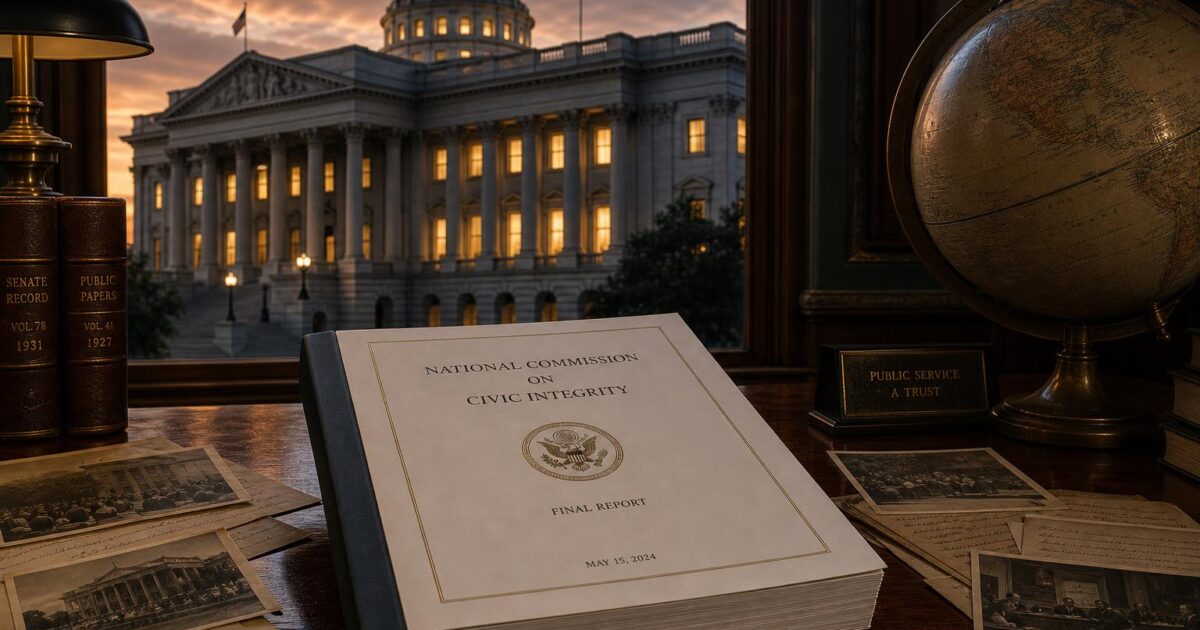
The report, titled “Cuba: The Capital of 21st Century Communism,” argues that communist Cuba spent decades exporting revolution by training, funding, and cultivating American radicals. It further claims that many of those figures eventually found influence in mainstream politics, academia, and major progressive organizations.
At the center of the controversy is a single sentence about Obama’s political beginnings.
Special offer for our readers:
Hands Down Some Of The Best Credit Cards For Balance Transfers
As originally reported, the document states that in 1995, Barack Obama launched his first-ever run for political office in the living room of Bernardine Dohrn and her husband, Bill Ayers. Both Dohrn and Ayers were co-founders of the Weather Underground, a domestic terrorist organization.
The report details Dohrn’s background extensively. According to the document, she traveled to Havana in 1969 to meet with Cuban and Viet Cong officials. She later authored the Weather Underground’s first declaration of war against the U.S. government in 1970 and was once listed among the FBI’s Ten Most Wanted fugitives.
Dohrn’s later life took a very different trajectory. The report notes she eventually joined the prestigious law firm Sidley and Austin before becoming a longtime professor at Northwestern University Law School. Ayers similarly transitioned into academia, becoming a professor of education at the University of Illinois at Chicago.
Importantly, the report stops well short of accusing Obama of any wrongdoing. It does not allege he was affiliated with the Weather Underground or that he had any awareness of Cuban influence activities. Instead, the document uses the campaign launch as one example within a broader argument about former radical activists moving into positions of influence across American institutions.
That framing is the core of the report’s thesis. The State Department is presenting Cuba not just as a Cold War adversary, but as a long-game operator that helped radicalize American figures who later embedded themselves in politics, universities, and progressive advocacy groups.
The connection between Obama and Ayers first became a flashpoint during the 2008 presidential campaign. Obama acknowledged knowing Ayers but described him as simply a neighbor and dismissed suggestions of a close relationship.
The Trump administration’s decision to highlight these connections now, years after Obama left office, signals an intent to reframe how the public thinks about left-wing political networks and their origins. Whether the report changes any minds is another question entirely.