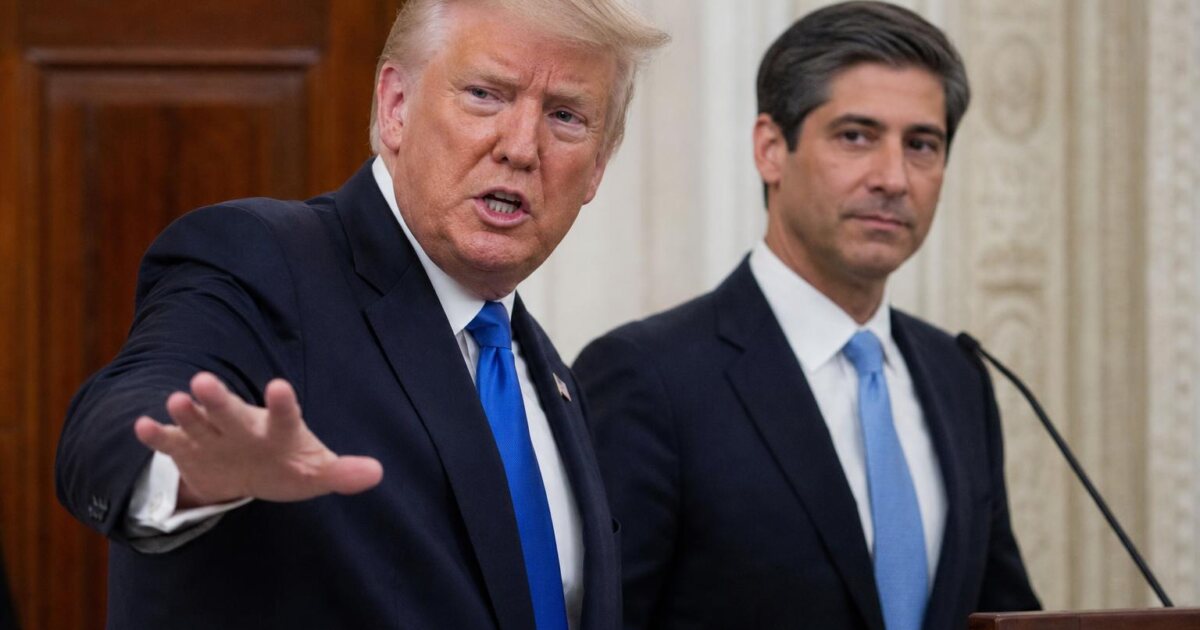
Trump wants Congress to make it nearly impossible for a future president to reopen the southern border.
President Donald Trump unveiled the proposal Wednesday night during a nearly two-hour speech at the Republican Party’s midterm convention in Dallas. He laid out several legislative priorities he wants Congress to act on if Republicans hold the House and Senate in November.
Trump called the proposed legislation the “No Invasion of Our Country Act.”
Special offer for our readers:
Put Interest On Ice into 2027
“We will make it legally impossible for any future president to destroy our country by having the right to open the border again,” Trump told the crowd. “We will pass a No Invasion of Our Country Act.”
The president offered no detailed bill text during the speech, and as of Thursday, no publicly available legislation matching that name had appeared on the record.
That leaves key questions unanswered. Which specific immigration authorities would Congress restrict? Which enforcement measures would become mandatory? What penalties would apply if a future administration simply chose not to comply?
As originally reported, the core objective is to convert major elements of Trump’s border policy from executive actions into federal law, making them far harder to reverse.
Since returning to office in January 2025, Trump’s administration has relied heavily on presidential proclamations and executive orders to tighten border enforcement. On his first day back, he declared a national emergency at the southern border and directed the Defense and Homeland Security departments to support barrier construction and security operations. A separate executive order ended what his administration described as “catch-and-release” policies, replacing them with expanded detention and removal of migrants who entered unlawfully.
Those moves have produced measurable results. Customs and Border Protection reported in August that the administration had gone 15 consecutive months without releasing any migrants encountered at the border into the United States. Daily apprehensions fell roughly 94% compared to averages recorded under the previous administration.
Trump now wants at least some of those changes written into federal statute.
The stakes are real. Immigration policy can shift dramatically between administrations. Presidents hold significant authority over how existing immigration laws are enforced, including decisions on detention resources, parole authority, and enforcement priorities. But Congress writes the underlying law, and the Supreme Court has repeatedly recognized its broad constitutional power over who may enter or remain in the country.
That distinction is central to Trump’s proposal. An executive order can be reversed by the next president on day one. A federal statute cannot be wiped out by a new executive order alone. If Congress codified specific border requirements, a future administration would be legally bound to operate within that framework unless Congress later changed it or a court struck it down.
Still, Trump’s claim that the law would make it “legally impossible” to reopen the border is not absolute. A future Congress could repeal or amend the law. Courts could challenge specific provisions. And any discretion left to the executive branch in the final bill would remain available to whoever holds the presidency.
The real impact will depend entirely on what language Congress ultimately puts on paper.