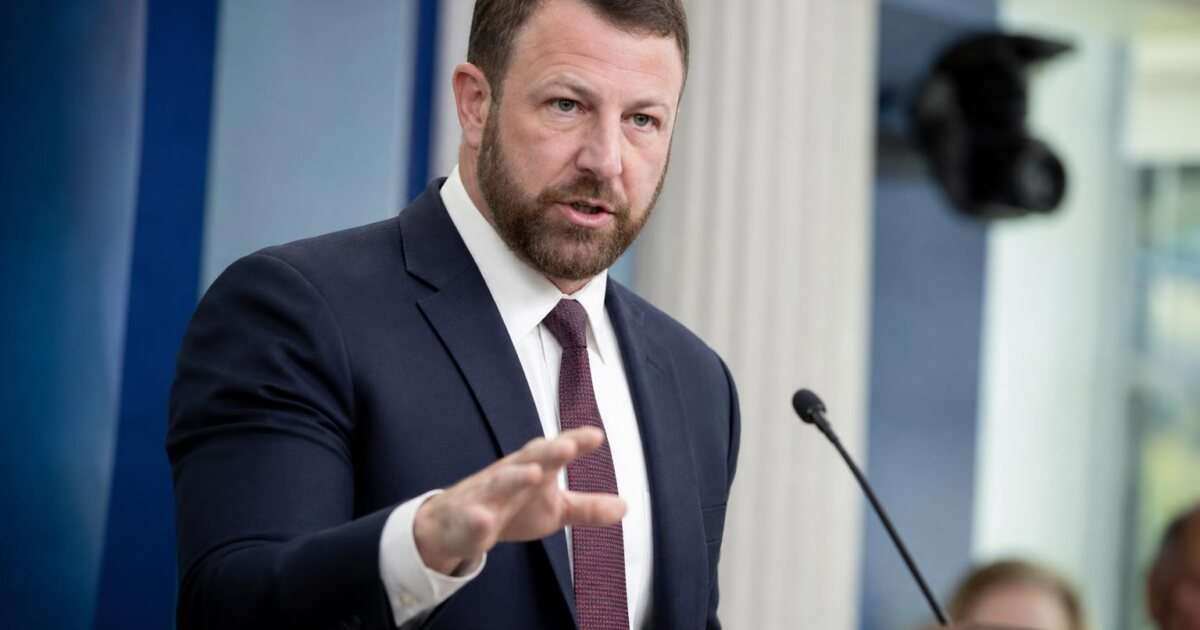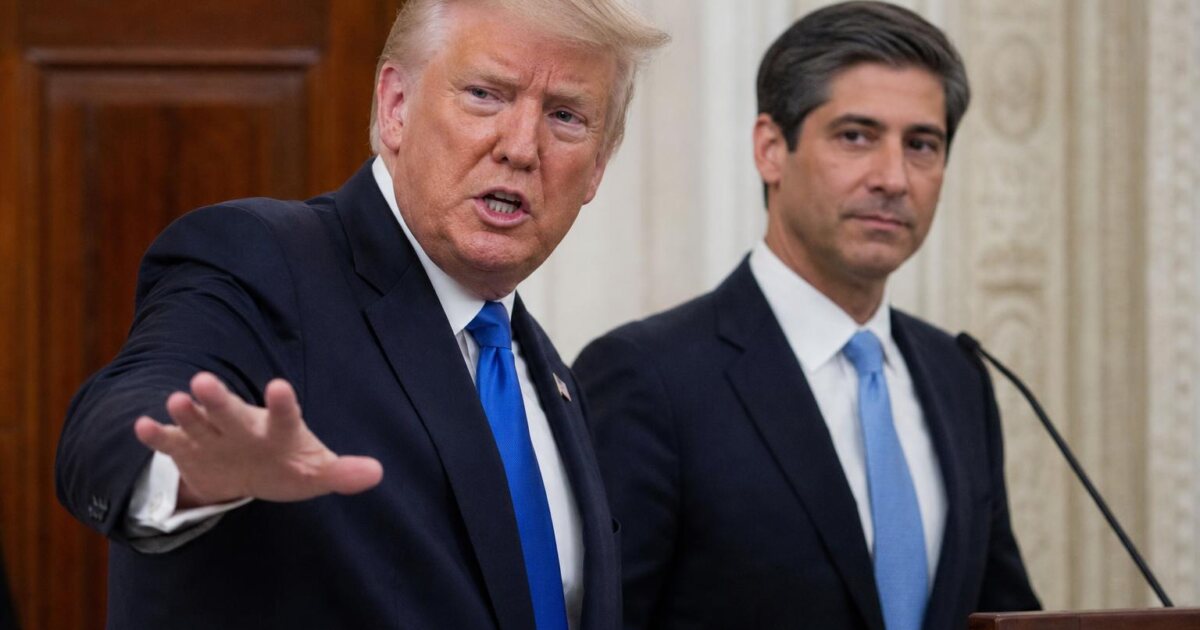
Trump wants to make it legally impossible for any future president to reopen the border.
Speaking at the GOP midterm convention in Dallas, Texas, on September 9, President Donald Trump introduced a proposed law called the “No Invasion of Our Country Act.” The bill is designed to place hard legal limits on any future president’s ability to roll back border enforcement using executive action.
“We will make it legally impossible for any future president to destroy our country by having the right to open the border again,” Trump said during the address.
Special offer for our readers:
8 Top Credit Cards Offering Introductory No Interest into 2027
The announcement came as part of a broader speech outlining Republican policy priorities ahead of the November 3 midterms. Whether the legislation will be formally introduced or brought to a congressional vote before Election Day remains unclear.
According to a report, Trump’s push is rooted in a desire to prevent the kind of policy reversals that defined the transition between his first and second terms. When former President Joe Biden took office, he issued a series of executive orders that dismantled several Trump-era immigration policies. When Trump returned to the White House in January 2025, his team moved quickly to reverse course, tightening enforcement, expanding detention, and accelerating deportations.
The proposal also raises a significant constitutional question. Congress cannot permanently bind a future Congress, meaning any statute passed today could still be amended or repealed by future lawmakers. That legal reality could limit how durable the legislation actually proves to be.
The intent behind the bill, however, is clear. By moving immigration restrictions from executive policy into federal statute, Trump and his allies aim to make it far harder for a future Democratic administration to undo those measures through executive action alone. Congressional action would be required to change anything written into law, raising the political bar considerably.
Comprehensive immigration reform has stalled repeatedly in Congress for decades, forcing presidents of both parties to rely on executive authority to set enforcement priorities. That cycle has left border policy vulnerable to sharp reversals with each change in administration.
Since Trump returned to office, illegal border crossings have dropped significantly. His administration has restarted border barrier construction, expanded detention capacity, and tightened asylum and parole policies. Congressional Republicans have separately approved billions of dollars for border security, immigration enforcement, and wall construction along the southern border.
The first major immigration legislation of Trump’s second term was the Laken Riley Act, which expanded mandatory federal detention for certain migrants accused of crimes. The law was named after a Georgia nursing student who was killed by a Venezuelan national who had entered the country illegally.
The “No Invasion of Our Country Act” represents Trump’s attempt to make that enforcement posture stick long after he leaves office.