Republicans hold a two-point lead over Democrats among likely midterm voters, a new poll shows.
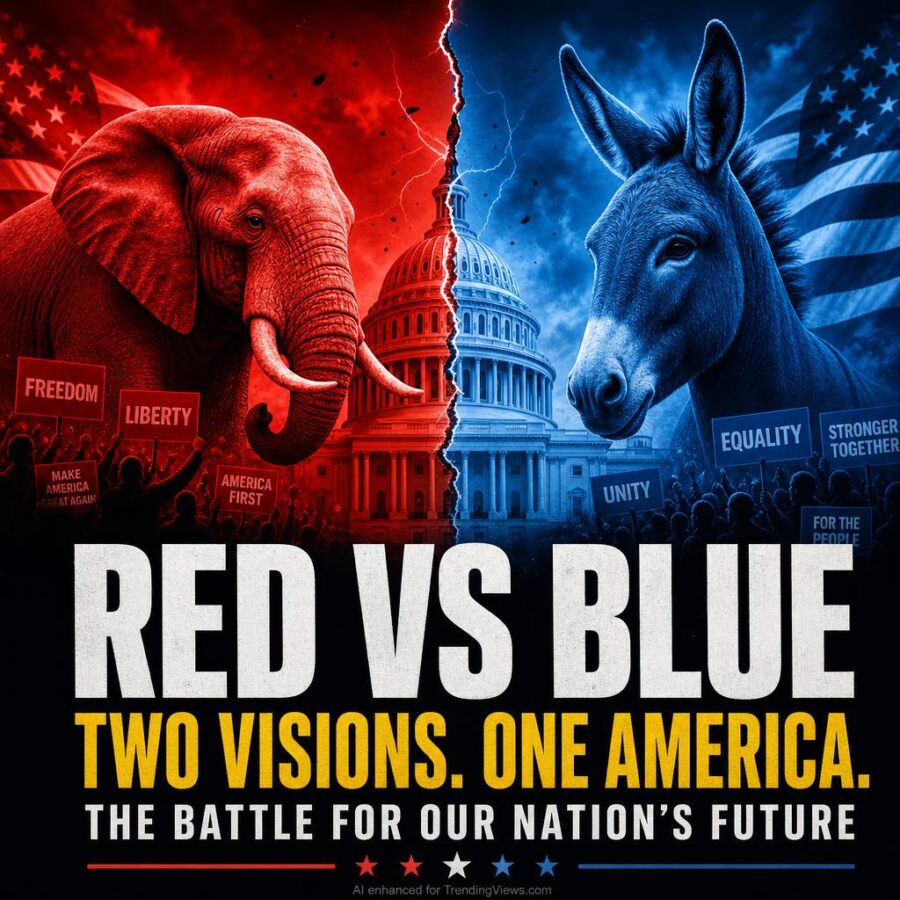
The Harvard CAPS/Harris poll for August, released Wednesday, found 51 percent of likely voters backing Republicans on the generic congressional ballot, compared to 49 percent for Democrats. The margin of error is plus or minus 2.1 percentage points.
The picture shifts among registered voters. That group flips the result, with 51 percent favoring Democrats and 49 percent supporting Republicans. The difference between likely and registered voters is a familiar but critical distinction heading into a midterm cycle.
Special offer for our readers:
Put Interest On Ice into 2027
According to a report on the poll, enthusiasm gaps are also visible in the turnout numbers. Among respondents who said they planned to vote in November, Republicans led the way at 63 percent, compared to 57 percent of Democrats and 38 percent of independents. Overall, 69 percent of respondents said they intended to vote.
On voter certainty, 46 percent said their minds were already made up. Another 27 percent said they were leaning toward a candidate but remained open to changing course. Nineteen percent were still undecided, a figure that climbed to 28 percent among independents, making that group a significant target for both parties.
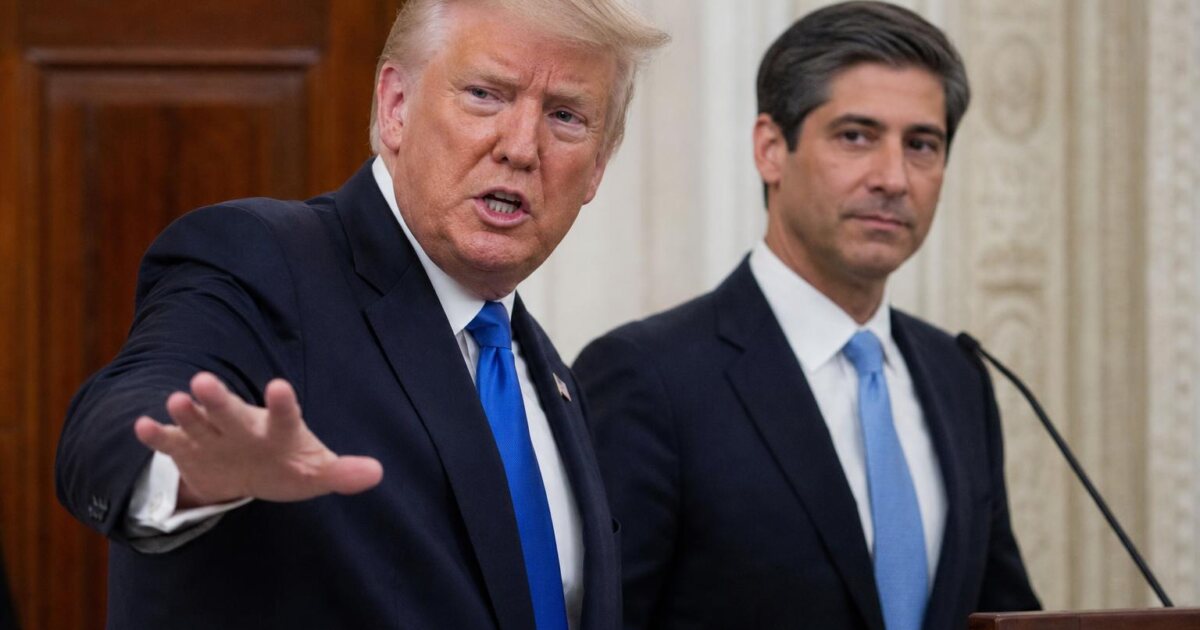
The poll also captured approval ratings across the board. President Trump’s job approval came in at 44 percent, a two-point gain from July. Republican Party approval rose two points to 45 percent. Democratic Party approval climbed four points to reach 47 percent. Congressional approval, covering the institution as a whole, sat at 34 percent.
The generic ballot figure is widely watched as an early indicator of which party holds momentum heading into midterm elections. Likely voter models tend to favor Republicans in lower-turnout environments, which is part of why the gap between the likely voter and registered voter results draws attention from strategists on both sides.
With independents still largely undecided and approval numbers shifting modestly across the board, both parties have room to gain ground before November. The Harvard CAPS/Harris poll is considered one of the more closely followed surveys in the political landscape heading into competitive election cycles.