Jelly Roll mocked President Trump on national television, then got emotional when fans pushed back.
The country singer used his late-August guest-hosting run on “Jimmy Kimmel Live!” to take direct shots at Trump. During his opening monologue, Jelly Roll went after the president over his appearance at the Freedom 250 Grand Prix in Washington, D.C. Footage had shown Trump waving a flag at the event. Jelly Roll’s response: “What a s, t job! How do you f, k up waving a flag?”
It did not stop there. He followed that line with a racial joke, suggesting Trump enjoyed the race even though “normally he only likes his own race.” He then called the president a “fat pig” and kept the routine going.
Special offer for our readers:
Hands Down Some Of The Best Credit Cards For Balance Transfers
The backlash from country fans was swift. When some listeners threatened to stop buying his music, Jelly Roll told them to “go right ahead.” Days later, however, the singer became visibly emotional while explaining why he had chosen to speak out, saying he knew the controversy it would create.
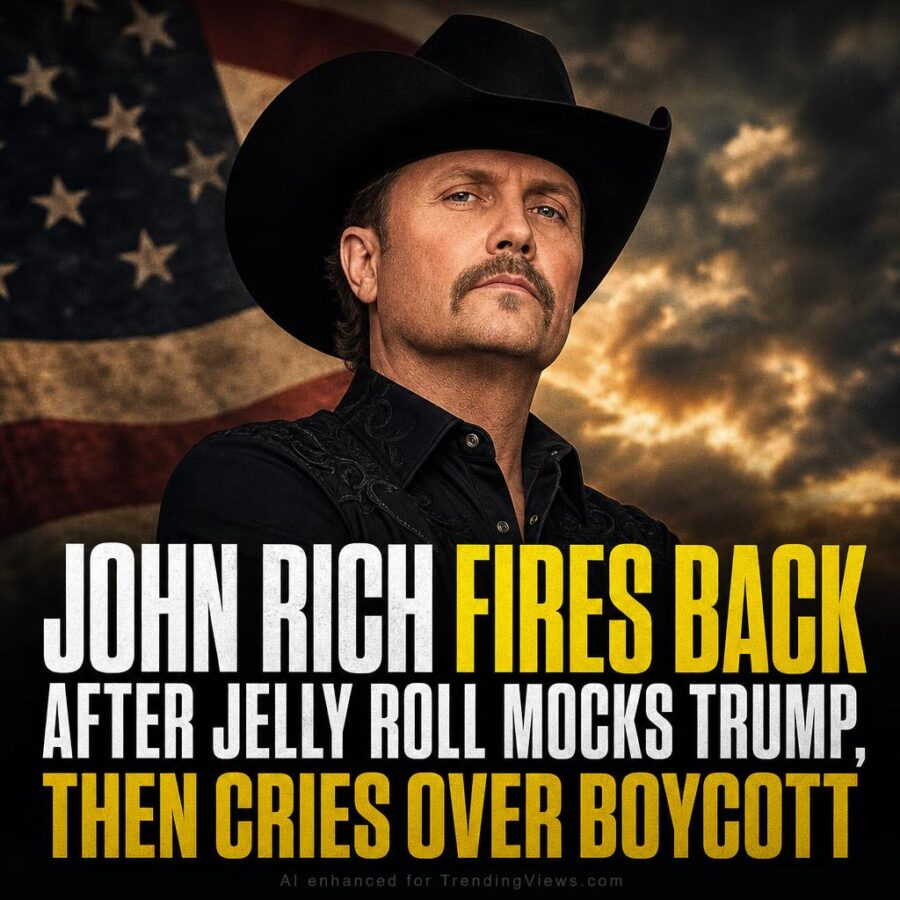
According to a report, conservative country star John Rich had seen enough and weighed in publicly. Rich said Jelly Roll needed to understand exactly what he had put on the line.
That framing cuts to the heart of the tension. Jelly Roll built a loyal following within country music, a genre whose core audience skews strongly conservative. Attacking Trump in that space, on a late-night platform, then daring fans to walk away is a calculated gamble. When those fans actually start heading for the exit, revisiting that decision with visible emotion reads differently to observers like Rich.
Rich is no stranger to the intersection of politics and country music. He has been a vocal conservative voice in a genre that has seen its share of political friction over the years. His response to Jelly Roll’s situation reflects a view held by many in the industry: artists who make political choices have to live with the commercial and cultural consequences that follow.
Jelly Roll’s arc here is notable on its own terms. He went from delivering punchlines at Trump’s expense, to shrugging off a boycott threat, to becoming emotional about the fallout in a matter of days. Rich’s point appears to be that none of that sequence should have come as a surprise.
Country music fans have demonstrated more than once that they are willing to vote with their wallets when an artist steps on political ground they consider sacred. Jelly Roll stepped on it, invited the response, and then appeared caught off guard by how real it became.