Iranian state media reported on Sunday that Mojtaba Khamenei, identified as the country’s “supreme leader,” had issued new directives to the armed forces, including the Islamic Revolutionary Guard Corps (IRGC). The announcement followed stalled negotiations between the United States and Iran aimed at ending active hostilities.
The White House maintains that any peace agreement must also include limitations on Iran’s nuclear program. Prior to the current war, Iran had been enriching uranium at levels inconsistent with known civilian use while blocking inspections by the United Nations Atomic Agency at key sites.
Speculation Surrounding Mojtaba Khamenei’s Status
Part of the role of the “supreme leader” in the Iranian regime includes commanding the military. However, speculation has arisen regarding Mojtaba Khamenei’s capability to fulfill this role, as he has not been seen in public or made any video or audio statements since it was announced he would succeed his father, Ali Khamenei.
Special offer for our readers:
Put Interest On Ice into 2027
On February 28, President Donald Trump stated that Mojtaba Khamenei had been eliminated during American military operations targeting various senior Iranian regime officials. These operations were designed to undermine the regime’s ability to attack neighboring countries or develop nuclear weapons. The unclear leadership dynamics within the Iranian government have complicated negotiations.
Claims of Directives to the Armed Forces
Reports indicate that it is uncertain how involved Mojtaba Khamenei is in the current power struggles, with rumors suggesting he may have suffered severe injuries. Iranian state media has denied any incapacitation but has not provided evidence verifying his status. On Sunday, the Islamic Republic News Agency (IRNA) reported that Khamenei was purportedly consulting with senior military leaders to discuss strategies in light of a formal ceasefire between the U.S. and Iran, despite both nations blockading the vital Strait of Hormuz.
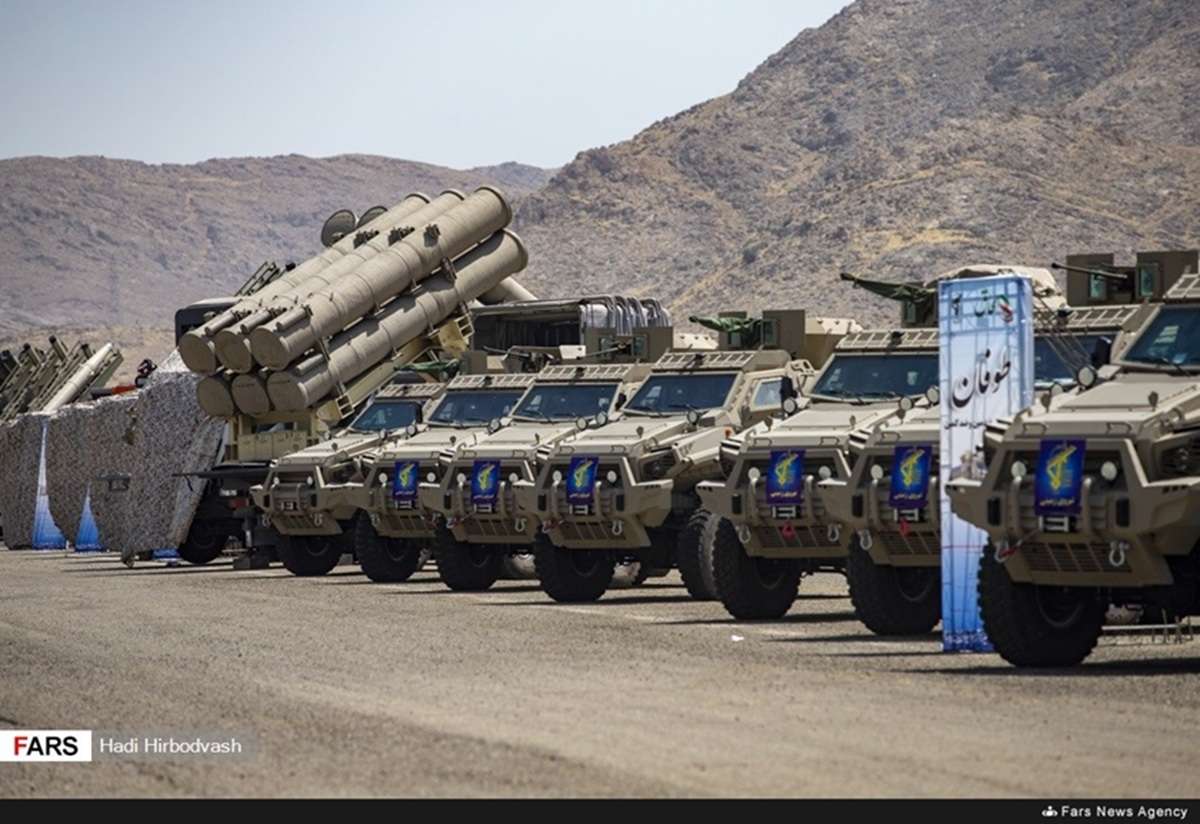
The U.S. Navy is blocking Iranian commerce in the Strait in response to Iran’s earlier attempts to disrupt global shipping. According to the IRNA report, Khamenei allegedly met with Major General Ali Abdollahi, the commander of the IRGC’s Khatam al-Anbiya Central Headquarters, where he issued new orders aimed at protecting Iran from American attacks. The IRNA claimed that “amazing victories” had been achieved under Khamenei’s expertise, although specific examples were not provided.
General Abdollahi emphasized the need for both defensive and offensive readiness, asserting that any aggression from enemies would result in a swift response from the Iranian military. The report also branded the U.S. and Israel as aggressive enemies, assuring that they would face consequences for their actions against Iran.
Meeting with Iranian President
IRNA’s report followed an announcement by Iranian President Masoud Pezeshkian, who claimed to have recently met with Mojtaba Khamenei in person. Pezeshkian described the meeting as warm and respectful, but did not provide specifics on the topics discussed or how it might influence domestic or foreign policy. Additionally, no proof of Khamenei’s vitality or capability to govern was offered.
American U.N. Ambassador Mike Waltz indicated that the U.S. government believes Khamenei is “in hiding” and injured, complicating negotiations since he holds ultimate authority over any potential peace agreements. Concerns have been raised regarding the fragmented leadership within Iran, with Trump highlighting the difficulties stemming from the lack of clear leadership.
Ongoing Negotiations and Reactions
Iran and the United States continue to engage in discussions mediated by Pakistan to establish a long-term peace agreement. Recent reports suggest that Iran has provided a response to a peace proposal after a ten-day period, which Trump later rejected, calling it “totally unacceptable.” The Iranian Foreign Ministry described Trump’s rejection as unreasonable, asserting that Iran’s proposals had been generous and focused on regional stability.
The ongoing tension underscores the complexity of diplomatic relations between the U.S. and Iran, with implications for both regional and global security being a significant concern. As the situation evolves, further developments are expected in the negotiations process.