A freshman congresswoman from New York is drawing sharp criticism after making a sweeping claim about a major defense bill, and both Republicans and members of the Trump administration are pushing back hard.
Rep. Alexandria Ocasio-Cortez posted on X ahead of a House vote on the FY2027 National Defense Authorization Act, writing that the bill “includes a provision to merge parts of our military with the IDF.” She called it “an existential threat to American sovereignty and democracy” and urged every member of Congress to vote no.
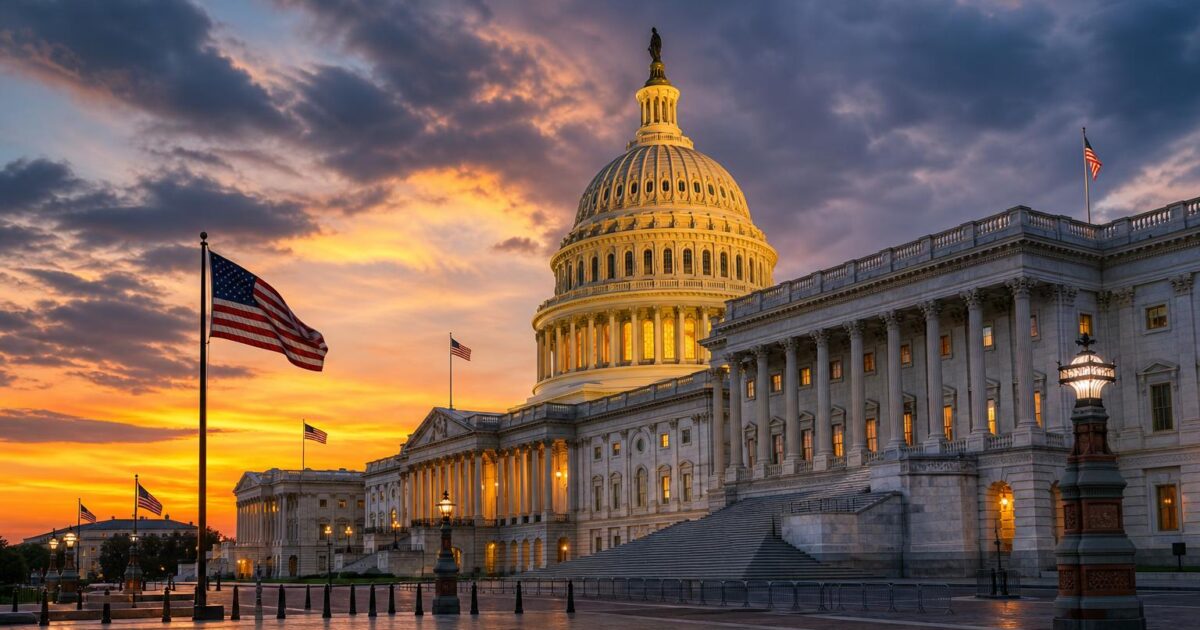
The House passed its version of the NDAA on Wednesday by a narrow 219-206 vote. The disputed provision, Section 219, remained in the legislation.
Special offer for our readers:
Put Interest On Ice With These Top Credit Cards
According to a report, Section 219 expands U.S.-Israel defense cooperation across military technology, supply chains, research, artificial intelligence, cybersecurity, and joint military exercises. Critics of Ocasio-Cortez say that is a far cry from merging the two armed forces.
EPA Administrator Lee Zeldin responded bluntly on X, calling her claim “FALSE.” Rep. Mike Lawler, also a New York Republican, was equally pointed. “Good grief, you are either obtuse or intentionally lying. We are not merging our military with the IDF,” Lawler wrote. He added that Section 219 simply builds on the kind of defense cooperation the U.S. already maintains with other key allies, including intelligence sharing, joint exercises, and collaborative weapons development.
Not every critic of the provision sided with the Republican defense of it, though. Rep. Thomas Massie of Kentucky introduced an amendment to strip Section 219 from the bill entirely, but House leadership blocked it from receiving a vote. After the procedural rule cleared, Massie announced he would vote against the full defense package.
“Unfortunately the Rule passed just now and no debate or vote was allowed on section 219, integration of US military technology and supply chains with Israel’s,” Massie wrote on X.
Rep. Ro Khanna of California, who teamed up with Massie on the amendment, also criticized leadership for shutting down the vote. “It is unconscionable to not even have a vote,” Khanna wrote.
The debate now moves to the Senate, which will consider its own version of the NDAA. Once both chambers pass their respective versions, lawmakers will need to negotiate a final bill that clears both the House and Senate before heading to the president for a signature.