Oil markets jolted higher Thursday, with prices hitting their highest levels in weeks as fighting in the Middle East showed no signs of slowing down and fears of major supply disruptions gripped traders worldwide.
Brent crude, the international benchmark, surged more than 6% to break above $100 a barrel in early trading, its highest price since late May. U.S. West Texas Intermediate crude wasn’t far behind, jumping more than 5% to nearly $92 a barrel for its best showing since June 11.
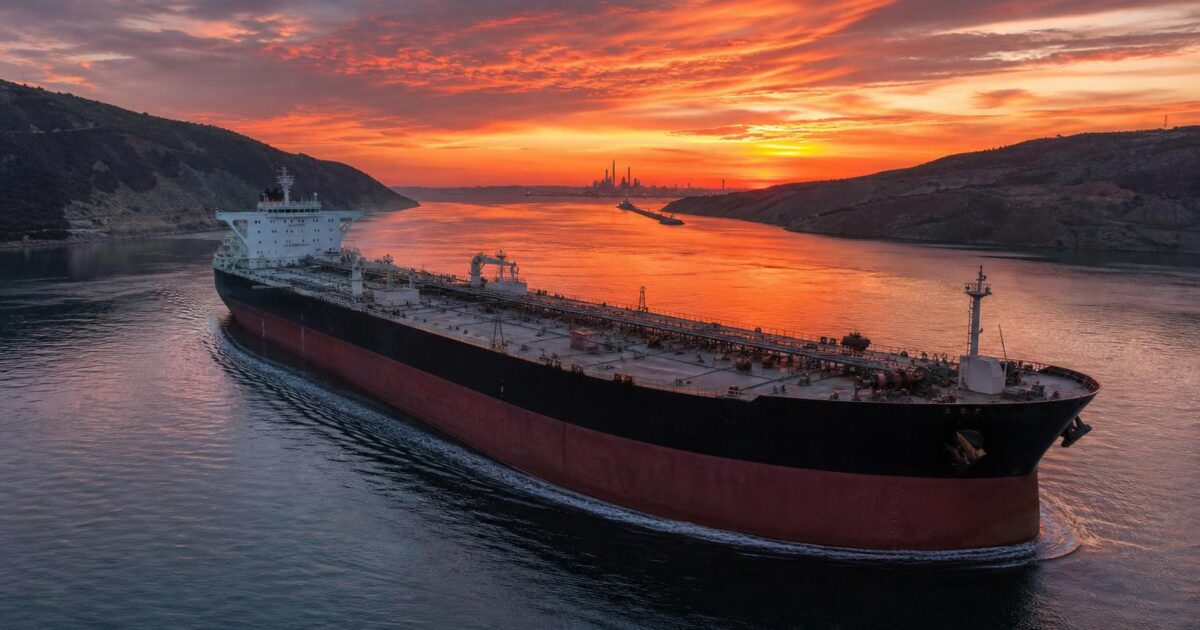
The trigger was a pair of tanker attacks in the Red Sea. Iran-backed Houthi rebels claimed responsibility for striking two Saudi oil tankers, just days after announcing a naval blockade targeting the kingdom. The strikes suggested the conflict is expanding beyond the Strait of Hormuz for the first time since the war began.
Special offer for our readers:
Pay No Interest Until 2027
According to a report, the United Kingdom Maritime Trade Operations agency confirmed that a tanker north of the Bab el-Mandeb strait had been struck by an unknown projectile. Saudi state media separately reported that the tanker Encelia caught fire during an overnight attack, citing a source from the General Authority of Transport.
The Bab el-Mandeb strait is a critical global chokepoint, carrying millions of barrels of oil daily and handling roughly 12% to 15% of all global maritime trade, valued at more than $1 trillion annually. With traffic through the Strait of Hormuz already falling to single digits in ship crossings earlier this week, markets are on edge about losing yet another vital route.
The latest surge means oil prices have climbed approximately 35% since the start of the month and are now up more than 60% since January.
Drivers are feeling it. The national average for a gallon of regular gasoline rose to $4.09 Thursday, up from $4.06 the day prior, according to AAA. That erases much of the relief Americans felt after the U.S. and Iran reached a memorandum of understanding in mid-June, a deal that has since unraveled as fighting intensified.
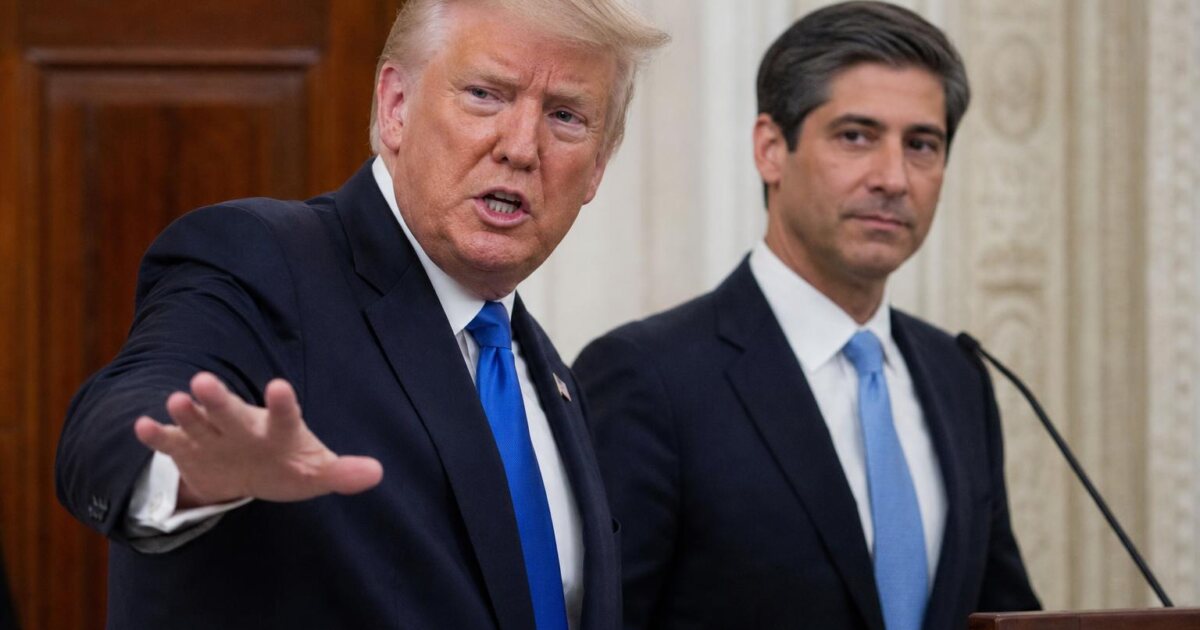
President Donald Trump warned Wednesday that the U.S. would retaliate aggressively against any further attacks on commercial shipping, threatening to destroy Iranian infrastructure if Tehran continued targeting vessels. Hours later, the Houthis announced they had struck the two Saudi tankers.
Jim Reid, Deutsche Bank’s global head of macro research, noted that “inflation has remained top of the agenda for markets this morning,” pointing to the Brent crude spike and warning that the conflict shows no sign of easing.
Those inflation fears are rippling through financial markets beyond energy. The yield on the 10-year U.S. Treasury note climbed to 4.67% Thursday morning, its highest level since January 2025. The average rate on a 30-year fixed mortgage also rose to 6.77% on Wednesday, the highest since July 2025, adding further pressure on American households already squeezed by rising costs.