A federal appeals court has handed the NAACP a significant legal setback, clearing the way for a new U.S. Postal Service election-mail rule to take effect while the underlying lawsuit plays out.
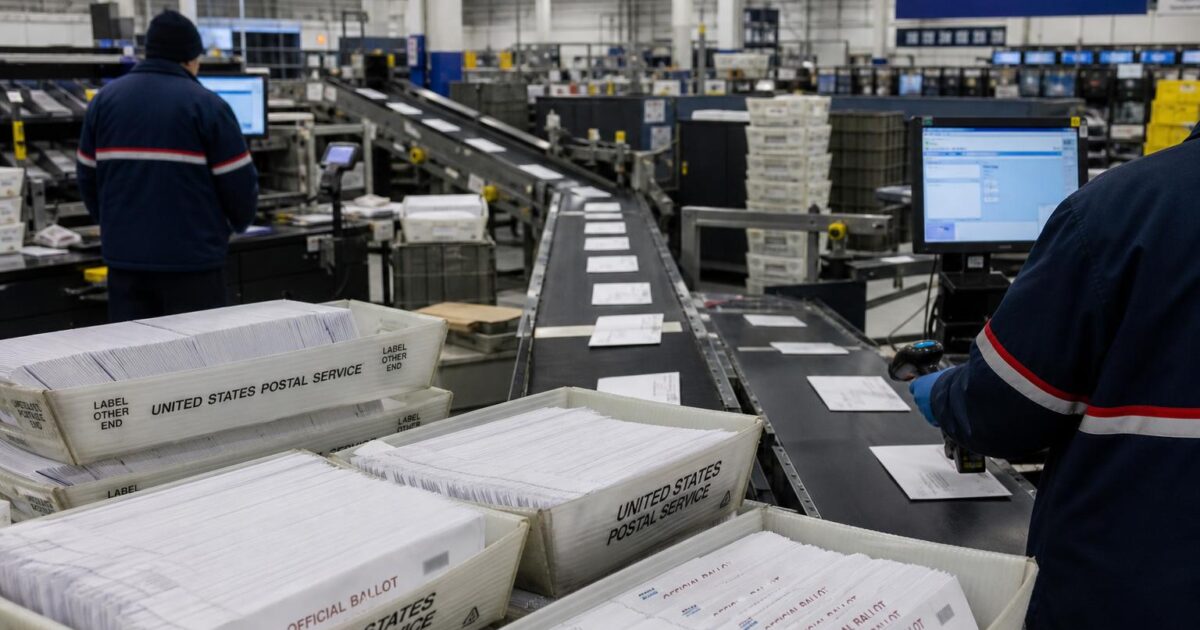
The D.C. Circuit Court of Appeals issued a stay Friday, allowing the USPS rule to move forward. The rule requires states to submit voter rolls and serialized ballot barcodes before federal ballots are mailed. The NAACP sued to block it. A three-judge panel reviewed the legal standard and let the rule proceed anyway.
For California, the implications are hard to overstate.
Special offer for our readers:
Put Interest On Ice into 2027
The state automatically mails ballots to nearly every registered voter. It has also spent years resisting external verification of its voter rolls, the same rolls that have drawn scrutiny over potentially ineligible registrations. California officials have repeatedly pushed back against federal access to that data through litigation and other means.
As originally reported, First Assistant U.S. Attorney Bill Essayli responded directly to the ruling: “This ruling is a win for election integrity and would have significant implications for states like California that refuse to submit their voter rolls to verify compliance with federal election laws.”
The USPS rule changes the terms of the deal. If states want the Postal Service to mail federal election ballots, they must provide voter data that allows those ballots to be tracked and verified. That means serialized barcodes, voter lists, and chain-of-custody documentation that election administrators should arguably have had in place long ago.
The core logic is straightforward. You cannot use federal postal infrastructure to run a mass mail-in ballot system while simultaneously refusing to give that same federal infrastructure the data it needs to verify what is being delivered.
California’s refusal to share its voter data with federal authorities now carries a concrete cost.
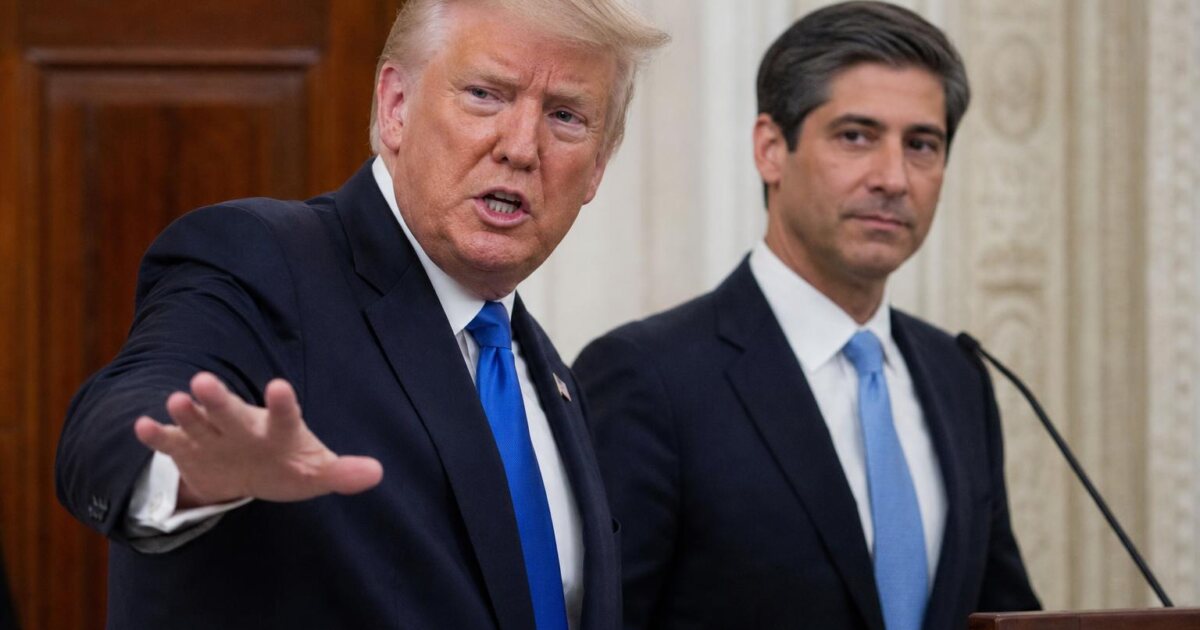
The NAACP is not done fighting. The underlying case remains active, and further litigation is expected. But what Friday’s ruling established is meaningful. The Trump administration’s election-mail framework was judged to have a solid enough legal footing to survive a motion for preliminary injunction, which means the rule stays in effect long enough to matter before November.
That timing is significant. This court decision arrives alongside the SAVE America Act push in Congress and a reported Justice Department effort targeting noncitizen voter registrations. Taken together, these moves are shaping into something broader than a series of isolated policy actions.
For states that have treated voter rolls as untouchable internal documents beyond federal reach, the message from Friday’s ruling is direct. The price of federal mail-ballot infrastructure is federal mail-ballot accountability. That price is now being collected.