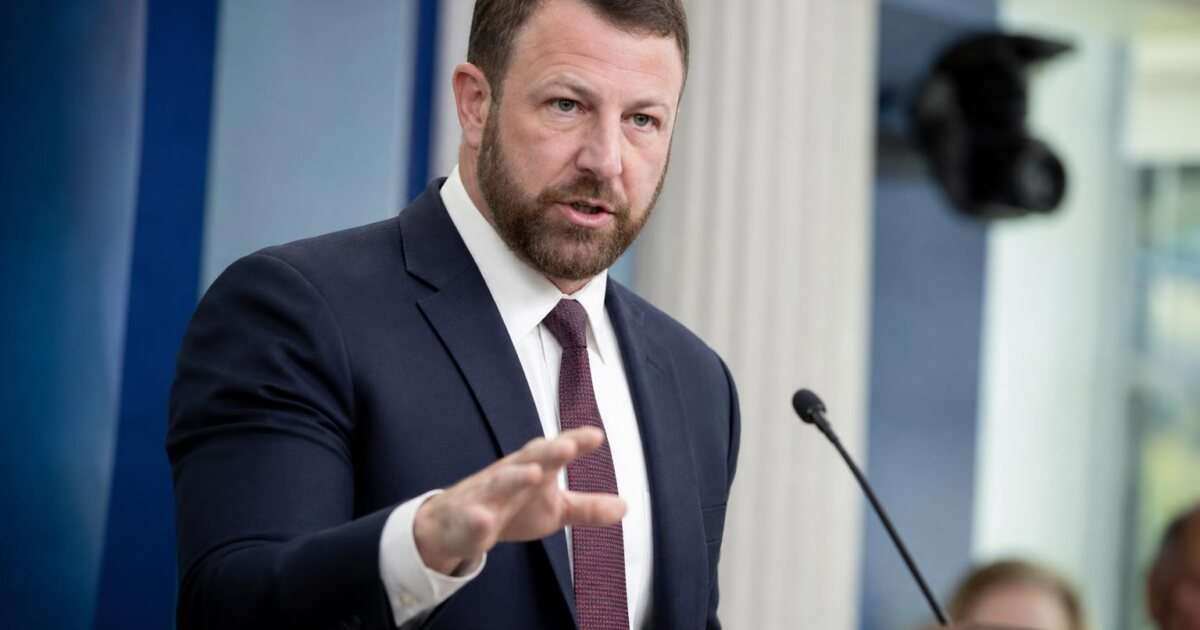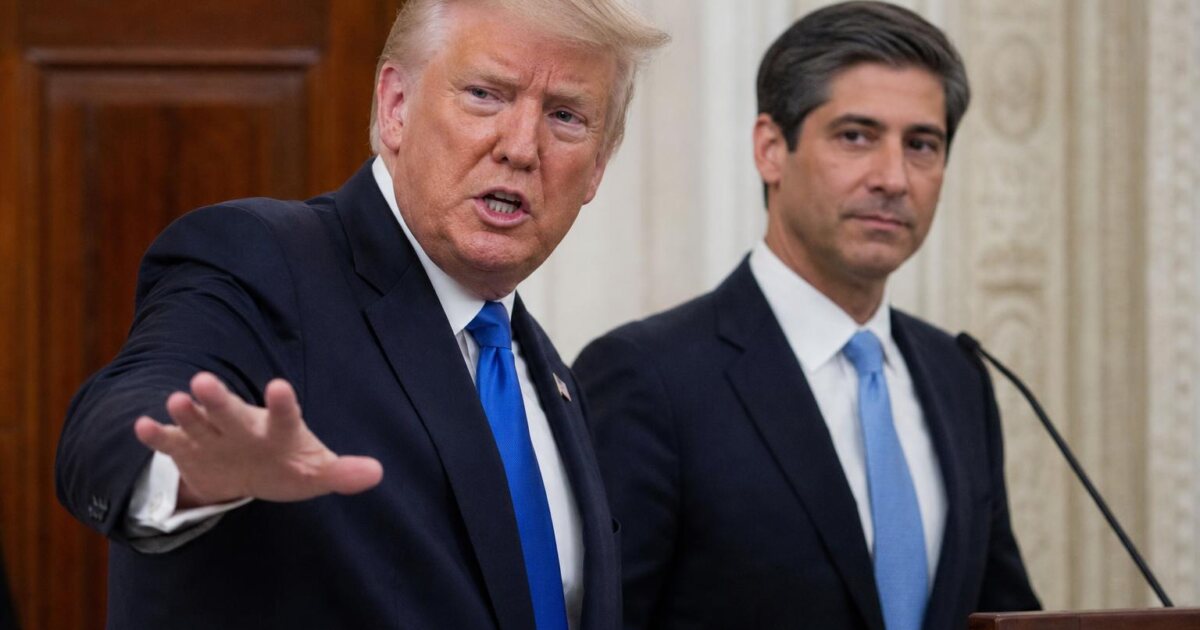
The Department of Homeland Security is turning up the heat on four states after a preliminary review flagged more than 256,000 possible noncitizen registrations on voter rolls. DHS Secretary Markwayne Mullin is now demanding action, sending formal letters to election officials in California, New Jersey, Nevada, and Pennsylvania.
The timing is significant. The move comes just one day after President Donald Trump used a prime-time national address to hammer election security and push for passage of the SAVE America Act, which would require proof of U.S. citizenship to register for federal elections and photo ID to cast a ballot.
As originally reported, the DHS letters were obtained by Fox News Digital and contain state-by-state estimates that are hard to ignore. California alone accounts for an estimated 190,832 possible noncitizen registrations. New Jersey follows with 35,152, Nevada with 15,903, and Pennsylvania with 14,576.
Special offer for our readers:
Put Interest On Ice With These Top Credit Cards
The numbers get more specific from there. DHS says it found 81,336 California registrants, 19,497 in New Jersey, 8,576 in Nevada, and 8,594 in Pennsylvania whose names, dates of birth, addresses, and Social Security numbers directly matched noncitizens already in DHS records.
The department was careful to label the findings as preliminary, and the letters ask states to work collaboratively with federal officials to verify identities before any action is taken. States have been given a deadline of July 24 to contact DHS and begin the data-sharing process.
Mullin framed the outreach as cooperative rather than confrontational. “The most efficient way to ensure the accuracy of our findings is to work collaboratively on identity verification,” he wrote. But he also made the stakes crystal clear, writing that “allowing just one non-citizen to vote cancels the vote of one U.S. citizen.”
It is worth noting that noncitizens are already prohibited from voting in federal elections. The core question being investigated is whether ineligible individuals have ended up on the rolls regardless.
Republicans are pointing to the DHS findings as proof that citizenship verification should not be a partisan issue. Democrats, for their part, have pushed back hard on the SAVE America Act, arguing that noncitizen voting is rare and accusing the administration of using election integrity as a political weapon.
The battle lines are familiar, but the scale of the preliminary findings adds a new dimension to the debate. With a July 24 deadline now in play, all eyes will be on how California, New Jersey, Nevada, and Pennsylvania respond.