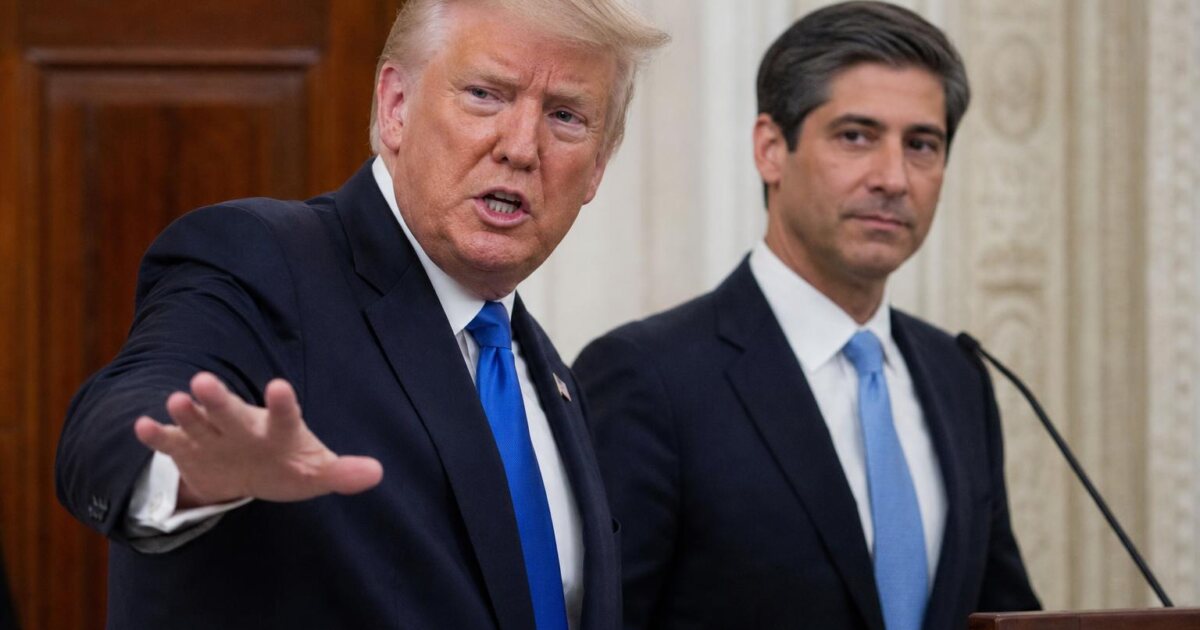
President Donald Trump is not waiting for Congress to act on election security. If Senate Republicans fail to pass the SAVE Act, the White House has already mapped out a sprawling alternative strategy using executive and administrative authority to reshape how Americans register and vote.
The plan touches nearly every corner of the federal government. The Justice Department, the Department of Homeland Security, federal funding mechanisms, voter rolls, and the Election Assistance Commission are all part of the administration’s push to pressure states into tightening citizenship verification before the midterms arrive.
The SAVE Act itself would require documentary proof of American citizenship when registering to vote in federal elections. But Republican holdouts and the Senate’s filibuster rules have kept it bottled up on Capitol Hill, leaving the administration looking for other levers to pull.
Special offer for our readers:
8 Top Credit Cards Offering Introductory No Interest into 2027
As originally reported, the Justice Department has sent letters to states demanding voter registration records for federal review, and warning officials that permitting noncitizens to vote could lead to prosecution. More than a dozen courts have pushed back on previous attempts to compel states to hand over those records, but the administration has continued pressing the issue.
The Department of Homeland Security is applying pressure through a different angle. States have reportedly been warned that federal election-security funding could be at risk if they refuse to use a federal citizenship verification system. It is a financial stick designed to move states that might otherwise resist.
The little-known Election Assistance Commission is also in the crosshairs. The commission provides cybersecurity and administrative support to state and local election offices. Trump recently moved to sharply reduce it, a step that has alarmed Democratic officials who say the timing could leave states more vulnerable heading into November.
Democratic election officials are not staying quiet. “This is a concerted effort of death by a thousand cuts,” said Barb Byrum, the Democratic clerk of Ingham County, Michigan. “Every day is another battle, but the war that we’re fighting is to maintain our democracy.”
Ann Jacobs, a Democratic member of the Wisconsin Elections Commission, was equally blunt. “Do I think this is part of the pattern and intentionality of undermining confidence in elections? Yes, yes, I do,” she said. “The constant drumbeat since 2020 has been specifically designed to do that, and it’s distressing.”
The administration added a dramatic new dimension to the debate during a Thursday night White House address. Trump announced the release of declassified intelligence about alleged Chinese interference in American elections, stating that China carried out “what is believed to be the largest compromise of election data in history” beginning during the 2020 election cycle.
Trump said the breach resulted in “China’s illicit acquisition of 220 million U.S. voter files,” adding that the stolen data included names, addresses, phone numbers, and political party preferences. He called it “an unprecedented election security nightmare” and said the declassified materials would be released in multiple phases.
The White House has already begun making those documents publicly available. Whether Congress eventually passes the SAVE Act or not, the administration’s pressure campaign on states and election officials is already moving at full speed.