Four corporations control most U.S. beef processing, and Trump wants to end that.
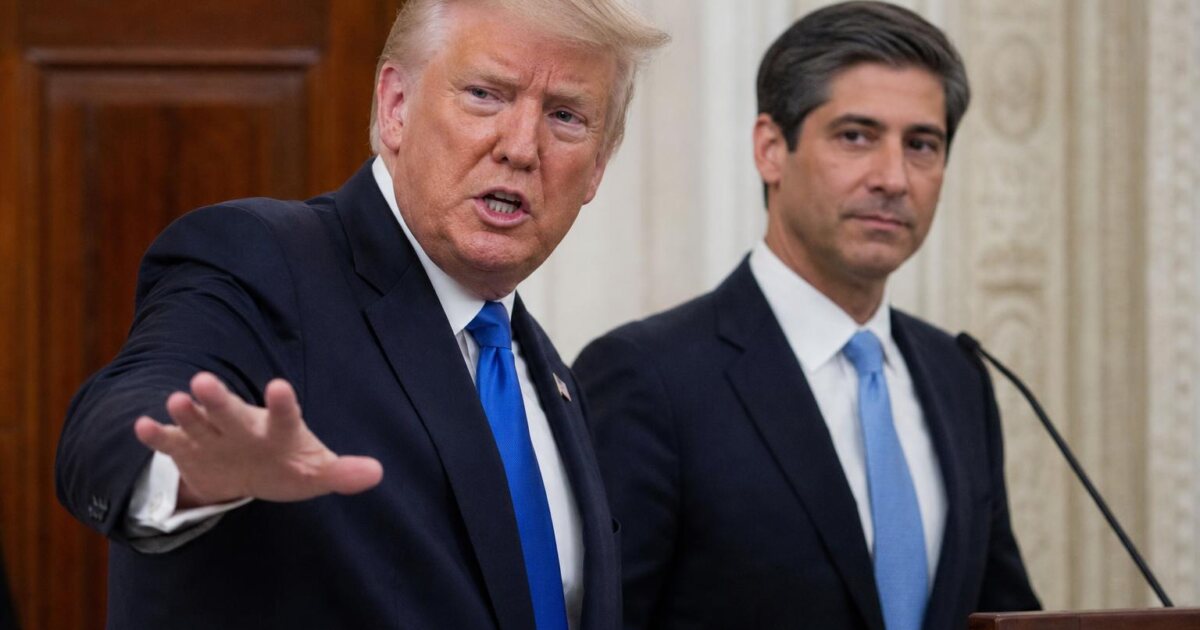
President Trump announced Friday he is directing legal documents to be drawn up that would give American farmers and ranchers the right to process their own food. The move targets what Trump called a “powerful monopoly” with significant foreign ownership that has long squeezed both ranchers and consumers at the same time.
“So, in order to break this powerful monopoly, with much of its ownership based outside of the U.S., I am authorizing legal documents to be drawn in order to allow Farmers and Ranchers to be given the right to PROCESS THEIR OWN FOOD,” Trump posted. “This should move quickly.”
Special offer for our readers:
Stop Throwing Out Money: Pay No Interest Until 2027
The structure of the problem is simple. When four companies control the bottleneck between livestock and the supermarket shelf, they dictate terms to everyone else. Ranchers get paid below-market rates because they have few alternatives. Consumers pay above-market prices for the same reason. The processors in the middle pocket the difference.
According to a report, Agriculture Secretary Brooke Rollins confirmed the administration is moving fast, with announcements expected as soon as Monday. Those announcements are set to include waiving red tape around processing and expanding real support for small processors.
“Our great AMERICAN ranchers produce the highest-quality, most incredible beef in the world AND it is a matter of national security that we be able to feed and fuel ourselves,” Rollins posted. “The world is hungry for American beef!”
Even a skeptic came around. Republican Senator Tim Sheehy of Montana had publicly pushed back against Trump’s 90-day beef import deal just last week, saying it would make it harder for ranchers to rebuild their herds. But on the processing reform, he was straightforward: “Ranchers like this news!”
Sheehy represents Montana, which is serious cattle country. His approval of the reform, despite his recent criticism of the import deal, signals that the ranching community sees something worth supporting here.
The two policies serve different functions. The temporary 90-day import arrangement was designed to push more beef supply into the market quickly, giving consumers some relief at the register right now. The processing reform targets the underlying structural problem, the monopoly bottleneck that captures the margin between what producers earn and what shoppers pay.
One is a short-term pressure release. The other is a longer-term fix to how the system is built. Together, they reflect a stated administration priority of treating food security as a national security issue, and ensuring American ranchers can compete on fair terms rather than against a rigged processing market.
Trump has framed the midterm period as a renewed push to lower costs for ordinary Americans, with grocery prices a central focus. Giving ranchers the legal ability to process their own product directly challenges the current system and the four companies that have benefited from it for years.
TITLE: Trump Moves To Break Four-Company Grip On U.S. Beef Processing