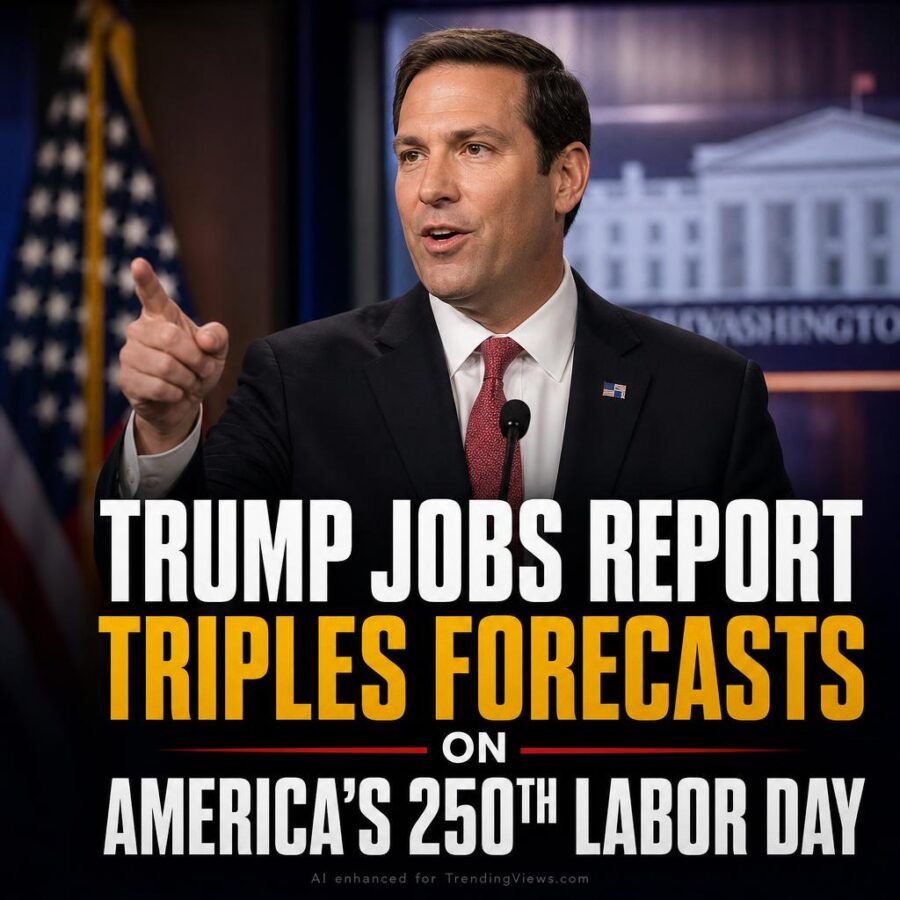
August jobs numbers came in at 162,000, nearly triple what economists predicted.
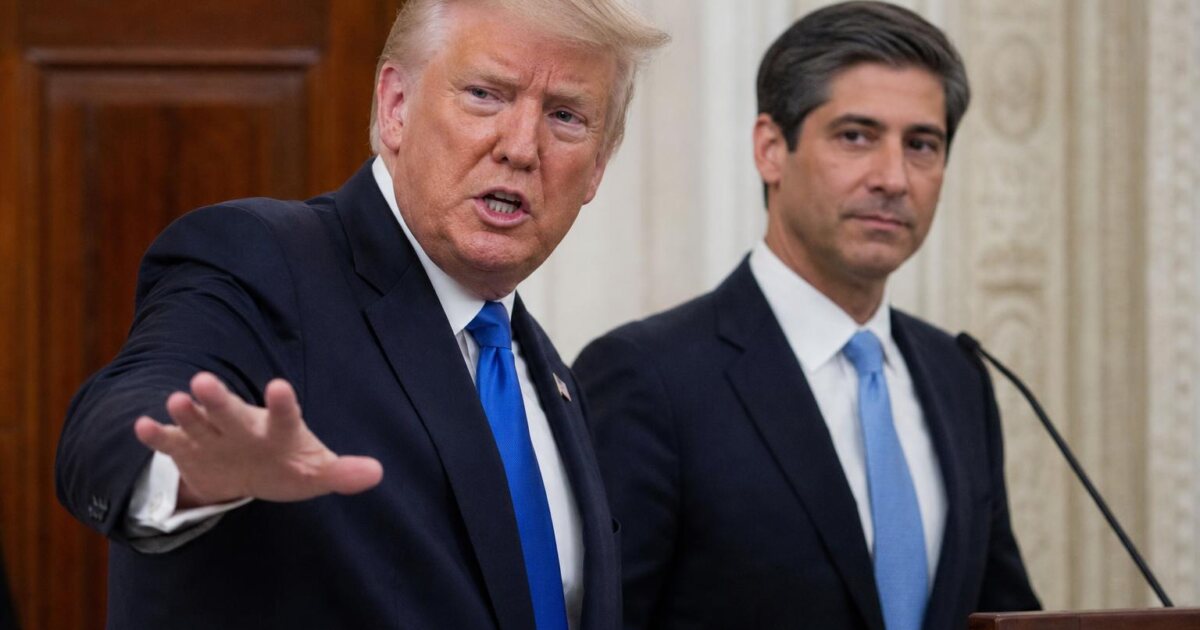
The August report landed on America’s 250th Labor Day with a number that left forecasters flat-footed. Economists had expected around 53,000 new positions. The actual figure was 162,000. Unemployment held steady at 4.1 percent. Acting Labor Secretary Keith Sonderling spent the holiday weekend making the rounds on cable news, and the numbers gave him something real to work with.
But Sonderling and the administration are not just pointing to the headline figure. They are pointing to what is inside it.
Special offer for our readers:
8 Top Credit Cards Offering Introductory No Interest into 2027
As originally reported, the composition of those gains matters as much as the total. Job growth is concentrated in the private sector, while the federal payroll is actually shrinking. That distinction is central to the administration’s argument about what kind of economy is being built.
The difference between private and public hiring is not just accounting. A government payroll expansion can inflate a monthly jobs number without producing goods or services that generate economic value. It shifts workers onto the public tab. Private sector growth works the opposite way. Those jobs are funded by real market demand, produce real output, and generate the tax revenue that funds public services. The administration says roughly one million private sector jobs have been added during its watch.
If that figure holds up, it represents the kind of growth that compounds. Not padded numbers driven by federal expansion, but positions created because businesses need workers to meet demand.
Sonderling’s cable news circuit over the holiday weekend reflects an administration that sees this moment as validation. The 250th Labor Day provided a symbolic backdrop that the White House was not going to pass up. A jobs report that triples expectations, on the holiday created to honor American workers, on the nation’s 250th anniversary, is the kind of alignment that writes its own talking points.
The administration has branded its economic approach as Trumponomics, centered on domestic manufacturing growth, private sector expansion, and a smaller federal footprint. This report, at least on its surface, fits that frame. Private jobs up. Federal payroll down. Total numbers beating forecasts by a wide margin.
Whether the trend holds is a separate question. One strong month does not define an economy. But 162,000 jobs against a 53,000 forecast, with gains in the right sectors, gives Sonderling and the White House a legitimate argument heading into the fall. The 250th Labor Day gave them a stage. The numbers gave them something to say on it.