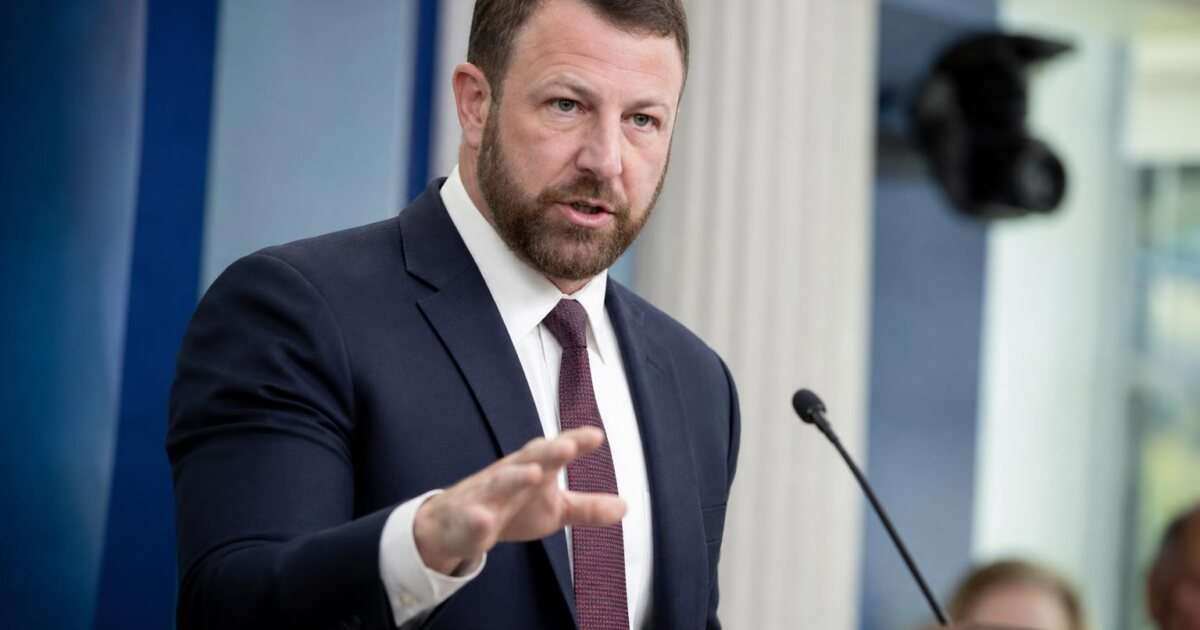
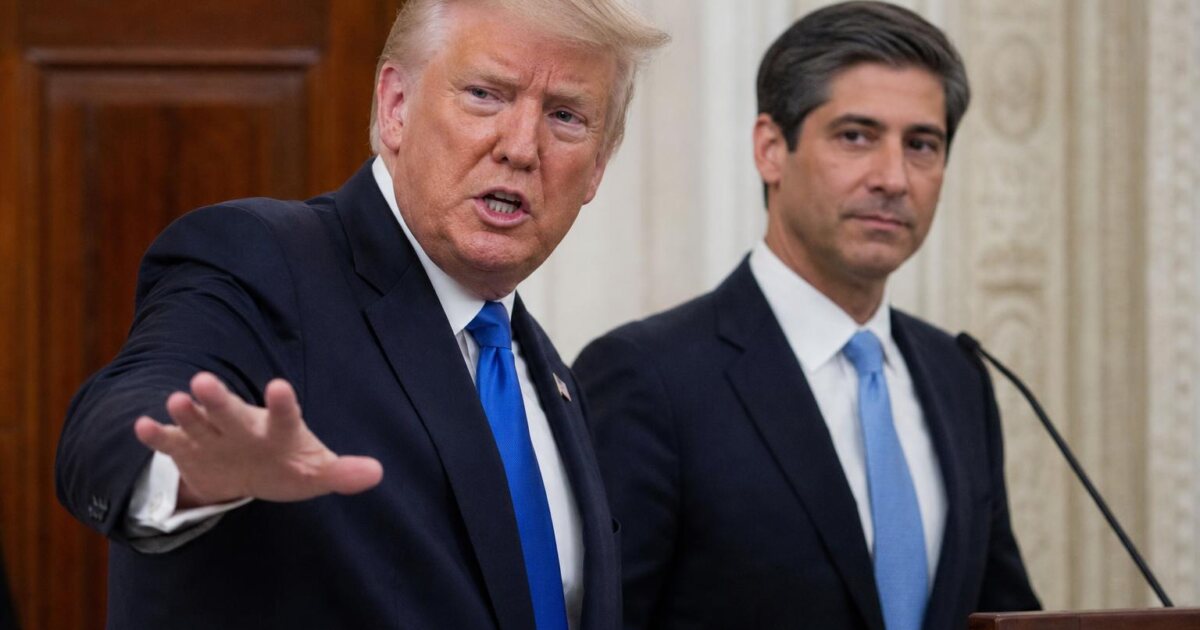
The Trump administration has paused immigrant visa processing at every U.S. embassy and consulate on the planet.
The State Department halted all immigrant visa interviews and processing while it retrained consular officers on how to properly evaluate public-charge risk. Applicants who already had scheduled interviews received cancellation notices. The pause is administrative in nature, relying on training and oversight authority rather than a formal policy order, which allows the review to continue while a separate legal battle plays out in federal court.
That legal fight centers on Trump’s earlier move to suspend immigrant visas for nationals from 75 countries with the highest rates of public-charge risk. These are individuals deemed likely to arrive and immediately access taxpayer-funded programs, including Medicaid, housing assistance, and welfare. A federal judge appointed by President Biden, sitting in the Southern District of New York, blocked that policy, ruling the State Department had exceeded its authority under the Immigration and Nationality Act.
Special offer for our readers:
Tackle your credit card debt with 0% intro APR into 2027
Rather than waiting on a favorable ruling, the administration used its administrative authority over consular training and interview procedures to conduct a sweeping consistency review. The practical effect closely mirrors the original suspension.
As originally reported, the administration is also moving to revoke visas from as many as 200,000 people who entered the country on tourist or business visas and subsequently filed asylum claims. That practice has been widely documented as a method for circumventing standard immigration procedures. Combined with 175,000 visa revocations already announced, the total scope of the current immigration tightening is substantial.
The public-charge standard sits at the center of all of this. U.S. immigration law has long required that incoming immigrants be capable of supporting themselves financially, rather than relying on government assistance. Critics of recent policy argue that standard was on the books for years but rarely enforced with rigor.
Among the groups that sued to block the 75-country suspension is the Catholic Legal Immigration Network. Religious organizations involved in immigrant services have a financial stake in the volume of arrivals, a conflict of interest that rarely receives prominent coverage in reporting on their legal challenges.
The broader immigration picture includes a border that the administration describes as functionally closed, record arrest numbers from Immigration and Customs Enforcement, a reported 75 percent drop in cartel income, and a 22 percent decline in fentanyl deaths.
The global visa pause, the ongoing revocations, and the retrained consular corps represent three separate but coordinated pressure points in an administration-wide effort to restrict both illegal and legal immigration pathways simultaneously. Federal courts will continue weighing the legality of specific measures, but the administrative review itself is already underway, and processing remains halted at U.S. diplomatic posts around the world.