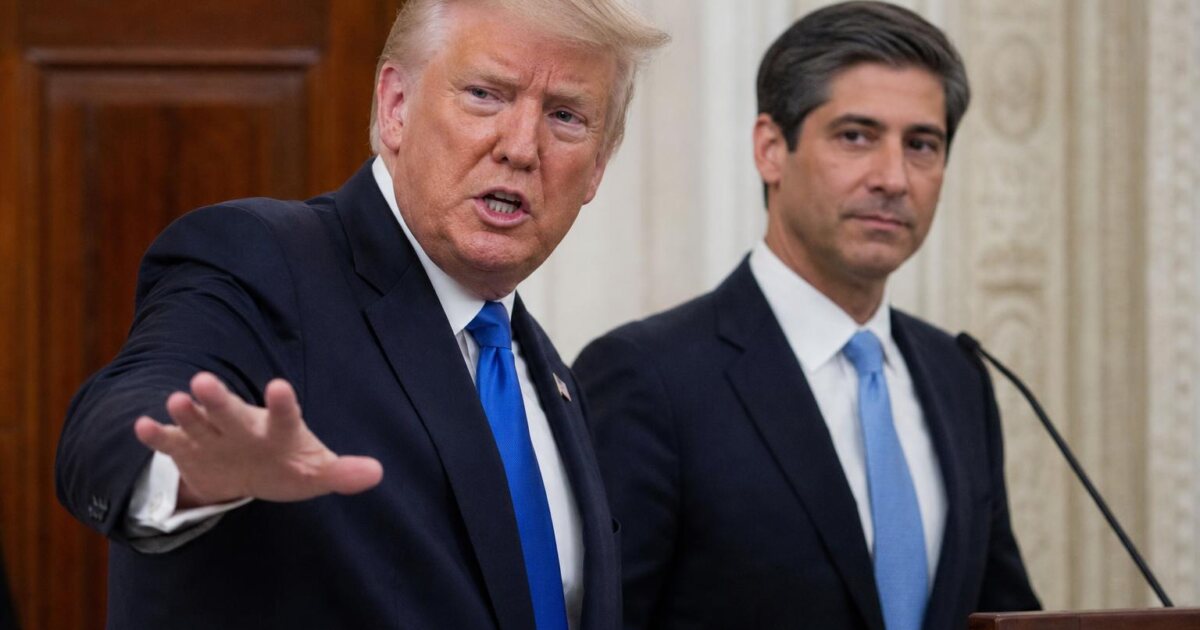
President Donald Trump is pushing the Senate to make daylight saving time a permanent fixture, following a strong bipartisan House vote that would put an end to the twice-yearly clock change ritual that millions of Americans find disruptive.
The House passed the Sunshine Protection Act in July by a 308-117 margin. If enacted, the bill would keep clocks set one hour ahead all year long, meaning later sunsets during winter months and no more “spring forward” or “fall back” scrambles.
Despite that lopsided House vote, the legislation has stalled in the Senate without receiving a vote. Trump personally pressed senators to act, telling reporters in late July that he was hopeful the upper chamber would move forward.
Special offer for our readers:
Put Interest On Ice into 2027
“Hopefully the Senate’s going to approve that one,” Trump said.
According to a report, if the Senate fails to pass the bill and Trump signs it into law, Americans will still be turning their clocks back one hour on November 1. Daylight saving time began this year on March 8.
The administration’s case for the change goes beyond simple convenience. The White House has argued that eliminating the biannual clock switch would save Americans hundreds of millions of dollars in lost productivity and reduce unnecessary disruptions for families and businesses.
Transportation Secretary Sean Duffy has added his voice to the push, writing a letter to lawmakers urging Congress to fold permanent daylight saving time into a broader transportation package that needs renewal by the end of September. Duffy made the case that more daylight during peak driving hours could actually save lives by reducing traffic deaths.
Under the Sunshine Protection Act, the permanent daylight saving time standard would apply nationally, but states that currently opt out, such as Hawaii and most of Arizona, would be allowed to remain on permanent standard time. Other states would also have an opportunity to opt out before any federal change takes effect.
The clock, quite literally, is ticking. With November 1 approaching and the Senate yet to schedule a vote, it remains to be seen whether Americans will be resetting their clocks one more time this fall.