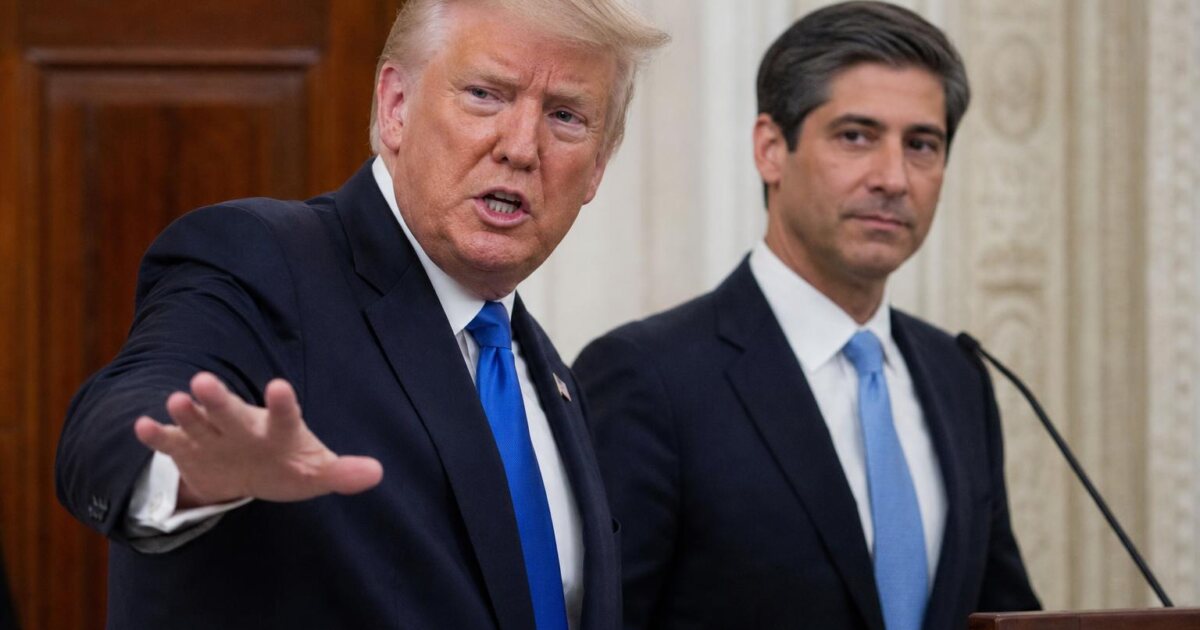
The Trump administration is asking the Supreme Court to revive a federal immigration database blocked by a lower court judge.
The database in question is SAVE, the Systematic Alien Verification for Entitlements. The Department of Homeland Security redesigned it in 2025 to let users search multiple records simultaneously and access Social Security numbers. Several Republican-led states then used it to compare voter rolls and cancel registrations flagged as belonging to noncitizens.
U.S. District Judge Sparkle Sooknanan, based in Washington, D.C., blocked the revamped system in June. She ruled the database was hastily assembled and contained unreliable citizenship data.
Special offer for our readers:
Hands Down Some Of The Best Credit Cards For 2026
The Justice Department pushed back hard. Its lawyers called the ruling “indefensible” in their Supreme Court filing. They argued the order “threatens the integrity of upcoming elections by vacating the federal government’s authority to internally use Social Security data when fulfilling its duty to respond to requests by states to verify the citizenship of individuals for voting and other purposes.”
As originally reported, the administration’s Supreme Court request is part of a broader push to expand federal involvement in election oversight ahead of the November midterms, when control of both the House and Senate is on the line.
Critics see the database differently. Advocacy groups that filed lawsuits to block SAVE argue the system is outdated and error-prone. They say naturalized citizens who are fully eligible to vote have been wrongly flagged as noncitizens and removed from voter rolls. Those same groups contend the GOP’s election-related actions are less about security and more about shrinking the electorate to gain a political edge.
Skye Perryman, president and CEO of Democracy Forward, one of the groups leading the legal challenge, was direct in her response to the Supreme Court filing. “Court after court has rejected the Trump-Vance administration’s effort to revive an unlawful system that puts Americans’ privacy and fundamental freedom to vote at risk,” she said. “Now, after failing to get its way in the lower courts, the administration is asking the U.S. Supreme Court to intervene, despite the law being clear that the Department of Homeland Security’s actions cannot continue.”
The administration disagrees sharply. Its position is that states have a legal right to request federal help verifying voter citizenship, and that blocking the use of Social Security data to do so undermines that authority.
The fight puts the Supreme Court squarely in the middle of one of the most contested political debates in the country: who belongs on a voter roll, and who gets to decide. With November approaching fast, the justices face pressure to rule quickly. Whatever they decide will shape how millions of voter registrations are handled before Election Day.