Controversial Post by NAACP Leader
A recent social media post from a prominent NAACP leader has ignited considerable debate within the community and beyond. The post has been described as controversial and has drawn attention to ongoing tensions in key urban areas, known as ‘blue cities,’ where political power dynamics are increasingly at stake.
Context of Blue City Power Struggles
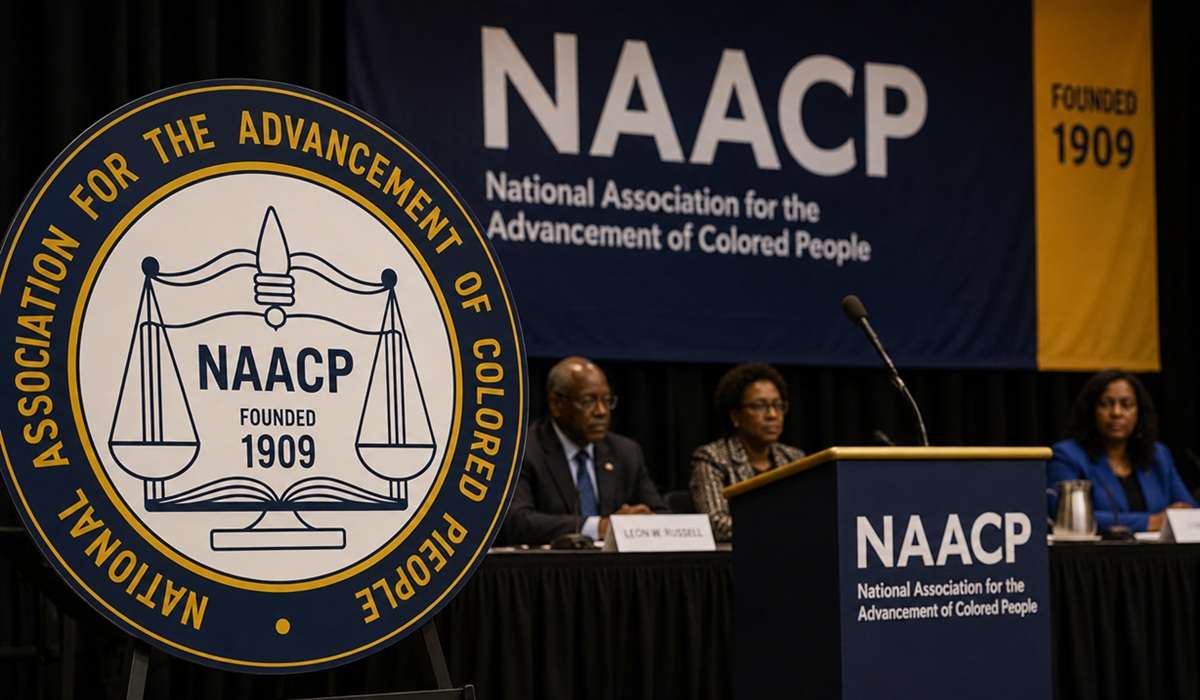
The term ‘blue cities’ refers to urban areas that typically lean Democratic, characterized by progressive policies and leadership. However, as political landscapes change, these cities are experiencing significant internal struggles. Increased polarization has created conflicts among various community organizations and leaders, including those from the NAACP, a civil rights organization that has historically been a powerful advocate for social justice.
Reactions to the Post
Following the NAACP leader’s post, reactions have ranged from supportive to highly critical. Some community members feel that the message resonates with current social issues, while others argue that it detracts from broader objectives of unity and progress. This divergence of opinions highlights the complexities involved in navigating community leadership amid rising political tensions.
Special offer for our readers:
Put Interest On Ice With These Top Credit Cards
Importance of Communication in Leadership
The controversy emphasizes the critical role of effective communication in leadership. As cities grapple with pressing social and political issues, leaders must balance representing diverse perspectives while fostering collaboration among various groups. The NAACP’s mission to advocate for the rights of African Americans and others marginalized in society plays a crucial role in informing these discussions.
The Future of Blue City Dynamics
As power struggles continue in these blue cities, the impact of leadership decisions, such as the NAACP leader’s provocative post, will likely shape future engagements within communities. Observers note that the ability to address concerns proactively while maintaining open lines of dialogue is vital for promoting unity in the face of division.
The recent post from the NAACP leader serves as a reminder of the challenges faced by community organizations in today’s political climate. As discussions unfold, the necessity for thoughtful engagement and communication remains paramount. The way forward will depend on the willingness of leaders to navigate contentious issues and work collaboratively for the betterment of their communities.