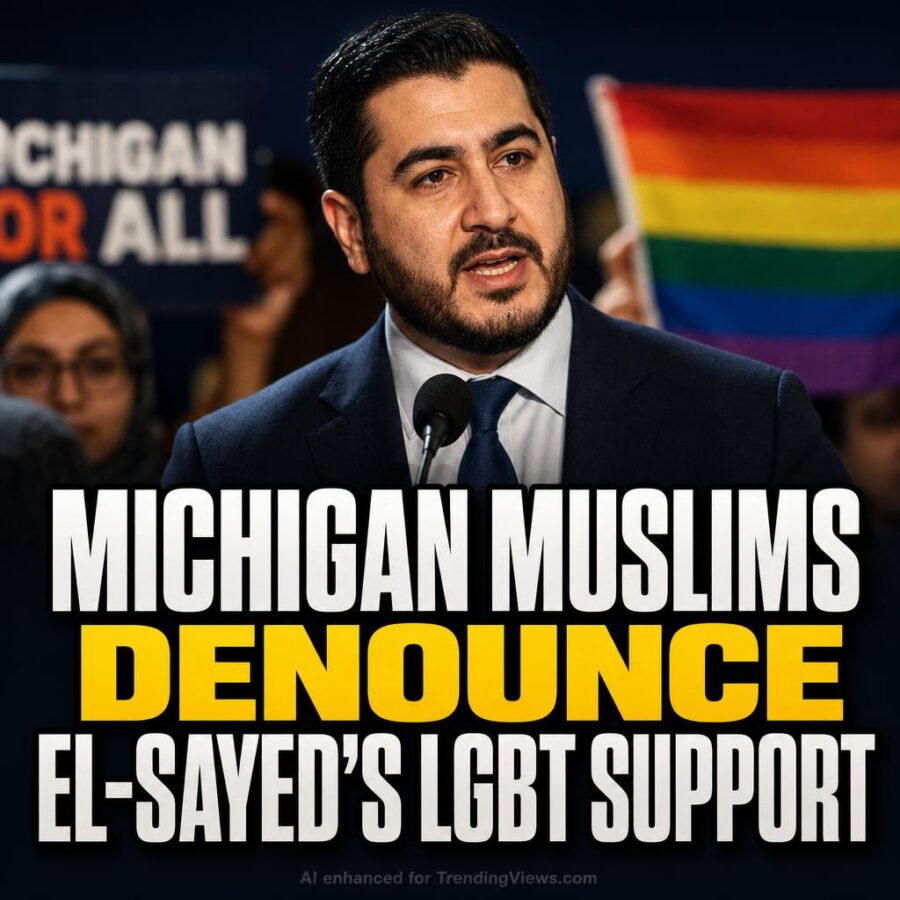
Abdul El-Sayed is the first Muslim nominated by a major party for a U.S. Senate seat in American history.
That distinction came after El-Sayed defeated establishment-backed Haley Stevens, a current House member, to win the Democratic nomination in Michigan. He now faces Trump-endorsed Mike Rogers, a former congressman who served from 2001 to 2015.
But the milestone nomination has not landed smoothly within the Muslim community El-Sayed is meant to represent. At the 63rd annual gathering of the Islamic Society of North America, held this year in Detroit, politically active Michigan Muslims found themselves caught between their religious values and the candidate carrying their identity into the national spotlight. The tension centered on El-Sayed’s support for LGBT causes.
Special offer for our readers:
Put Interest On Ice With These Top Credit Cards
As originally reported, some in the community compared El-Sayed to Rep. Ilhan Omar, describing him as a “male version” of the Minnesota congresswoman. Omar represents a younger, more vocal, and more socialist wing of the Democratic Party, alongside figures like New York’s Zohran Mamdani.
El-Sayed’s nomination arrives during a period when immigration and demographic change are front and center in American politics. The Muslim population in the United States has more than doubled since Barack Obama took office, giving the community growing political weight and visibility. That visibility has increasingly come through progressive figures whose policy positions do not always align with traditional Islamic values.
El-Sayed is only the second Muslim ever nominated by either major party for a Senate seat. The first was Mehmet Oz, who ran in Pennsylvania in 2022 with Donald Trump’s backing.
Michigan’s Senate race sits among the most competitive contests in the country this cycle. The collision between El-Sayed’s progressive platform and the values of a sizable portion of his own coalition adds a layer of friction that neither side can easily ignore. For Michigan Muslims, the question is not just who wins, but what it costs to get there.