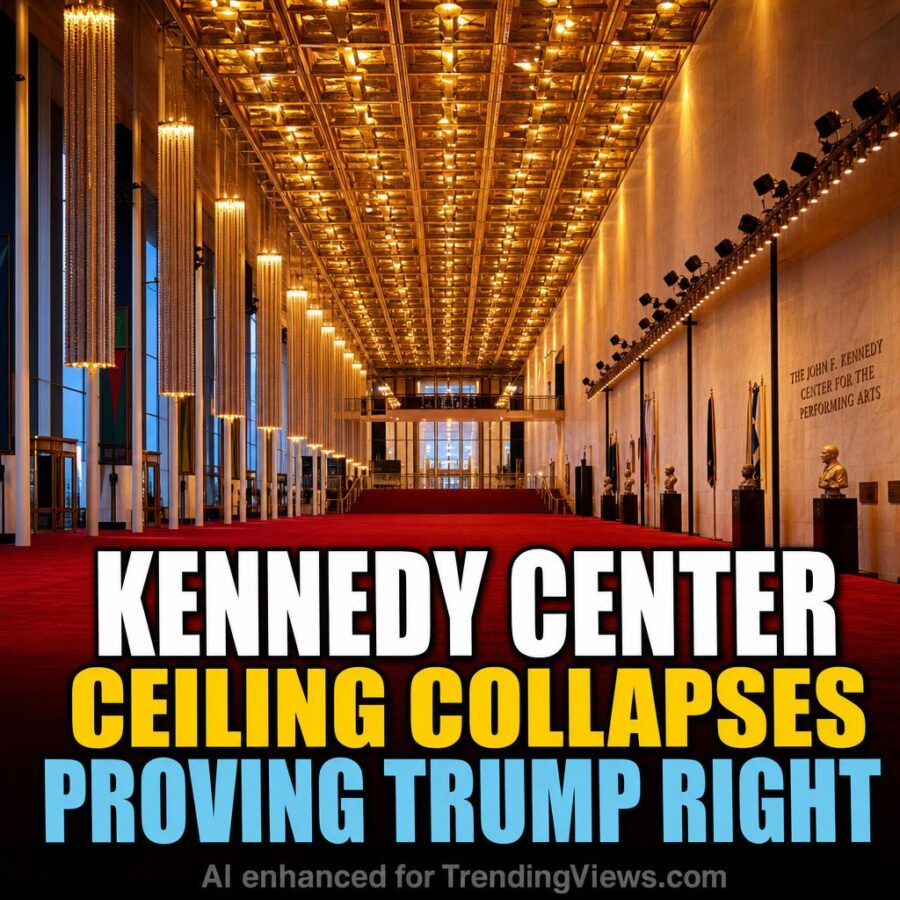
A section of the Kennedy Center’s Grand Foyer ceiling collapsed overnight onto the red carpet below.
It did not fall in a utility room or a back corridor. It fell in one of the most photographed spaces in the building, the same grand hall that appears on the institution’s own promotional materials. Donors and dignitaries walk that carpet regularly. On this particular night, the floor was empty.
The collapse followed the most powerful storm to strike Washington since the 2012 derecho. But the timing is secondary. What matters is the location and what it means for a debate that has been running for months.
Special offer for our readers:
Stop Throwing Out Money: Pay No Interest Until 2027
Critics of the Trump administration had argued that the push to renovate the Kennedy Center was manufactured urgency, a political pretext to attach the president’s name to a landmark he did not build. The building itself has now weighed in on that argument.
As originally reported, Kennedy Center spokeswoman Roma Daravi responded to the collapse by making the case plainly: there is no longer a responsible argument for further delays, because every month repairs are blocked, the structural condition worsens.
She has documented support behind that position. Last month, Justice Department attorneys filed arguments in federal court describing the building as being in a “financial and structural death spiral.” The government warned the court the Center had become dangerously dilapidated, and that without a full two-year closure for repairs, the structure could deteriorate to the point where demolition would be the only remaining option.
That court filing came before the ceiling came down.
The sequence is worth sitting with. Federal lawyers stood before a judge and said the Kennedy Center was falling apart. Then a piece of the Kennedy Center fell apart. The government’s description of the building, which critics had called alarmist, turned out to be a preview.
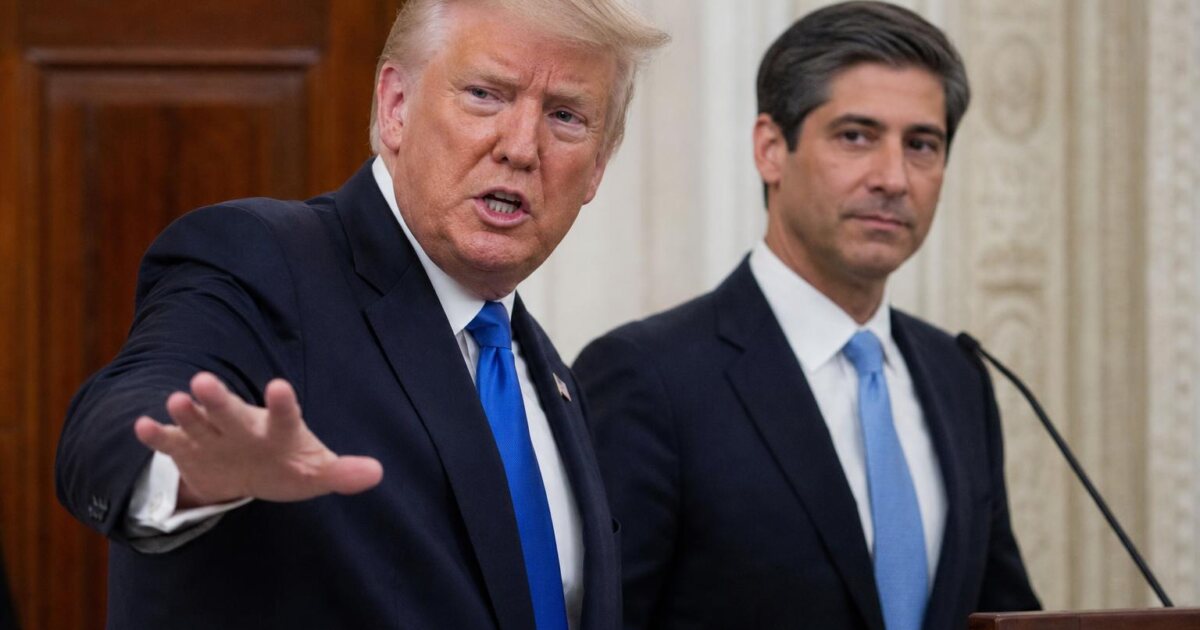
Political opposition to the renovation has centered largely on the involvement of Donald Trump, who was named board chairman. The argument was that the scale of urgency was exaggerated to justify his role. That argument now has to clear a higher bar. It is hard to call a renovation unnecessary while a cleanup crew works in the room where the ceiling just landed.
The Grand Foyer collapse did not injure anyone. But it removed the central talking point from one side of the debate. When a building’s most prominent public space sheds part of its ceiling, the conversation about whether repairs are truly needed tends to resolve itself. The Kennedy Center has been making the administration’s case for it, one falling piece at a time.