As tensions escalate in the ongoing conflict involving Iran, recent developments highlight the precarious state of ceasefire negotiations. Following President Trump’s rejection of Iran’s counterproposal to the U.S. peace initiative, the ceasefire has been characterized as being ‘on life support.’
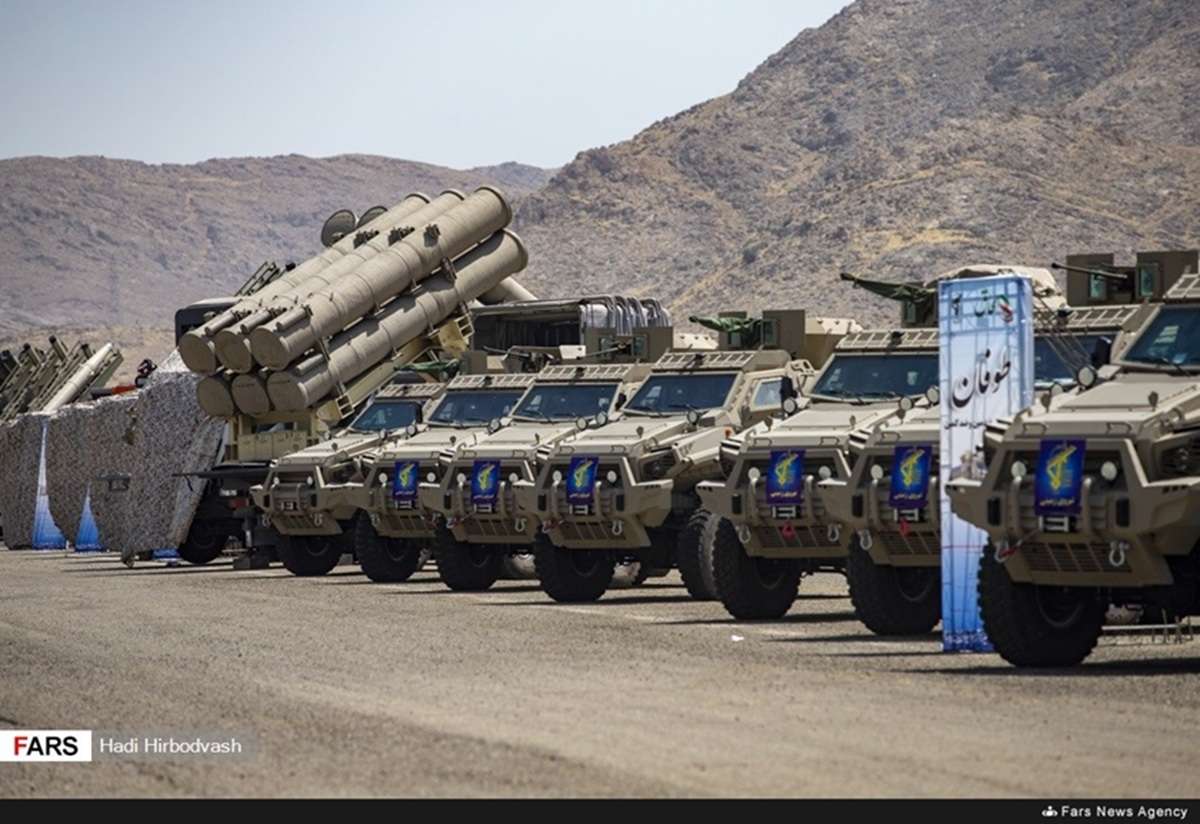
In response, the Speaker of Iran’s parliament indicated that the Iranian military is poised to ‘teach a lesson’ to any aggressor. This warning comes as U.S. Ambassador to Israel, Mike Huckabee, reported that Israel has deployed anti-missile batteries and military personnel to the United Arab Emirates (UAE), a move reflecting the strengthening defense collaboration between the two nations in light of recent Iranian threats.
Recent Hostilities in Lebanon
Special offer for our readers:
Hands Down Some Of The Best Credit Cards For 2026
Recent Israeli military strikes in southern Lebanon reportedly resulted in the deaths of six individuals, further intensifying the conflict. Hezbollah, an Iranian-backed group, has vowed to make the conflict zone a hellish environment for Israel, indicating the potential for further escalations. Diplomatic discussions between Israel and Lebanon are set to resume this week in Washington, with both sides hoping to navigate a complex geopolitical landscape.
Military and Economic Considerations
During a Senate appropriations subcommittee hearing, Joint Chiefs Chairman Gen. Dan Caine responded to inquiries regarding Iran’s capability to disrupt maritime trade in the Strait of Hormuz. He reiterated that the situation involves complex dynamics, particularly the presence of various small boats and other maritime challenges. Caine urged Iran to consider opening the strait for shipping, highlighting the global economic implications of their actions.
Additionally, discussions were raised by Republican Senator Lindsey Graham, who questioned the implications of Iranian military aircraft being stationed in Pakistan. He suggested that this development calls into question Pakistan’s role as a potential peace mediator in the ongoing negotiations.
Concerns Over Uranium Enrichment
An Iranian lawmaker stated that the nation is prepared to consider enriching uranium to 90% purity if attacked, a level necessary for nuclear weapons production. As of June 2025, reports indicate that Iran possessed approximately 970 pounds of uranium enriched to 60%. This level of enrichment places Iran a short technological step away from weapons-grade material, heightening international concerns regarding their nuclear ambitions.
The backdrop of this escalation includes the 2015 nuclear deal, which sought to limit Iran’s enrichment capabilities following the U.S. exit from the agreement during Trump’s administration.
Financial Implications of the Conflict
Continuing the discussion on the financial impact of the conflict, Pentagon officials revealed that U.S. expenditures related to the Iran war have now reached $29 billion. Previous assertions claimed the conflict had cost nearly $25 billion, with estimates varying between sources on the actual financial toll.
Security Incidents in Kuwait
Kuwait’s Ministry of Defense reported the arrest of four individuals linked to Iranian infiltration attempts by sea. These suspects confessed their connection to the Iranian Revolutionary Guard Corps, signifying Iran’s reach within the Gulf region. Officials stated that efforts to penetrate Kuwait’s borders had escalated, particularly amid the heightened tensions stemming from the ongoing conflict.
Diplomatic Relations with China
Amidst these tensions, Iran’s diplomat in China emphasized the strategic advantages gained through their relationship with Beijing. Iranian officials propose that China’s involvement could support their diplomatic efforts, particularly in the face of U.S. pressures. Iran seeks a durable ceasefire and resolution to the ongoing confrontations, coupled with the lifting of U.S. sanctions.
As ceasefire negotiations remain volatile, officials stress the importance of diplomatic solutions while preparing for various military scenarios should further escalation occur. The U.S. continues to ascertain its military resources in response to the evolving situation, affirming the commitment to addressing Iran’s nuclear capabilities and regional destabilization efforts.