A woman paid homeless people to register to vote, then routed their ballots to her house.
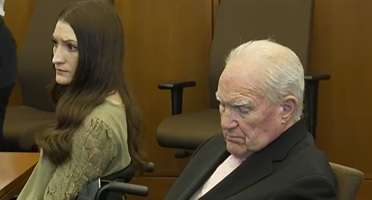
Brenda Lee Brown Armstrong pleaded guilty this week to a federal felony charge of paying people to register to vote in a federal election. The offense carries a maximum sentence of five years in prison. A federal judge handed her eighteen months of probation and 120 hours of community service. She will not spend a single day behind bars.
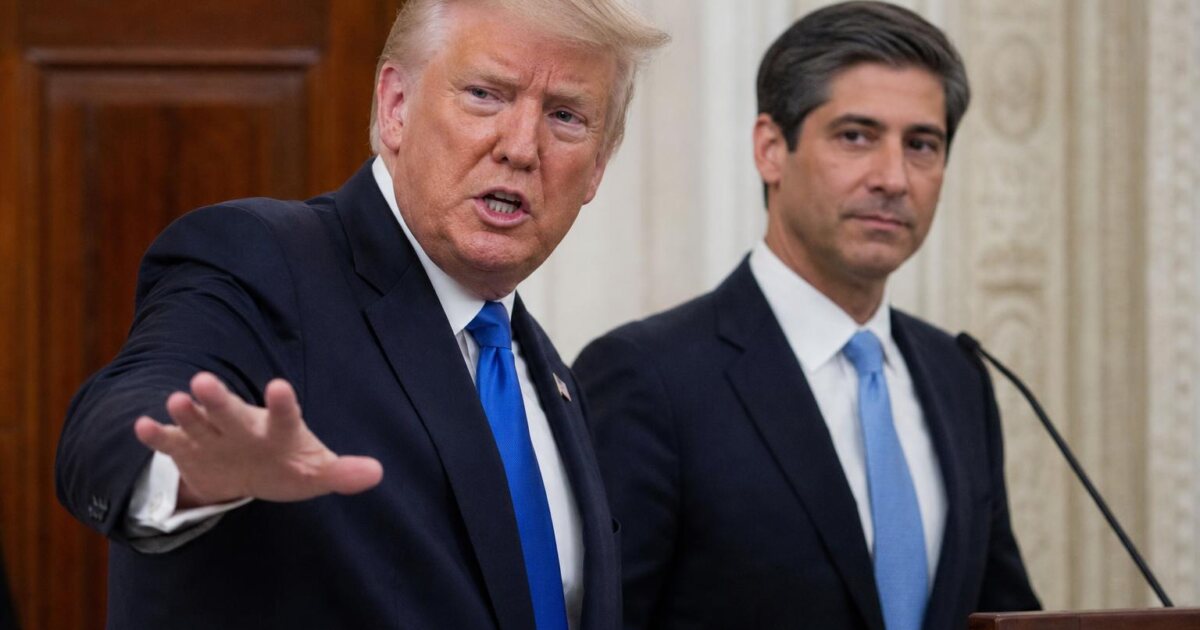
The judge who issued that sentence, Mark Scarsi, was appointed by Donald Trump.
Special offer for our readers:
Tackle your credit card debt by paying 0% interest until 2027
Armstrong spent nearly two decades working as a paid petition circulator in California, collecting signatures for ballot measures. The coordinators who hired her paid by the signature, but only signatures from registered voters counted toward her fee. That payment structure created a direct financial incentive for what came next.
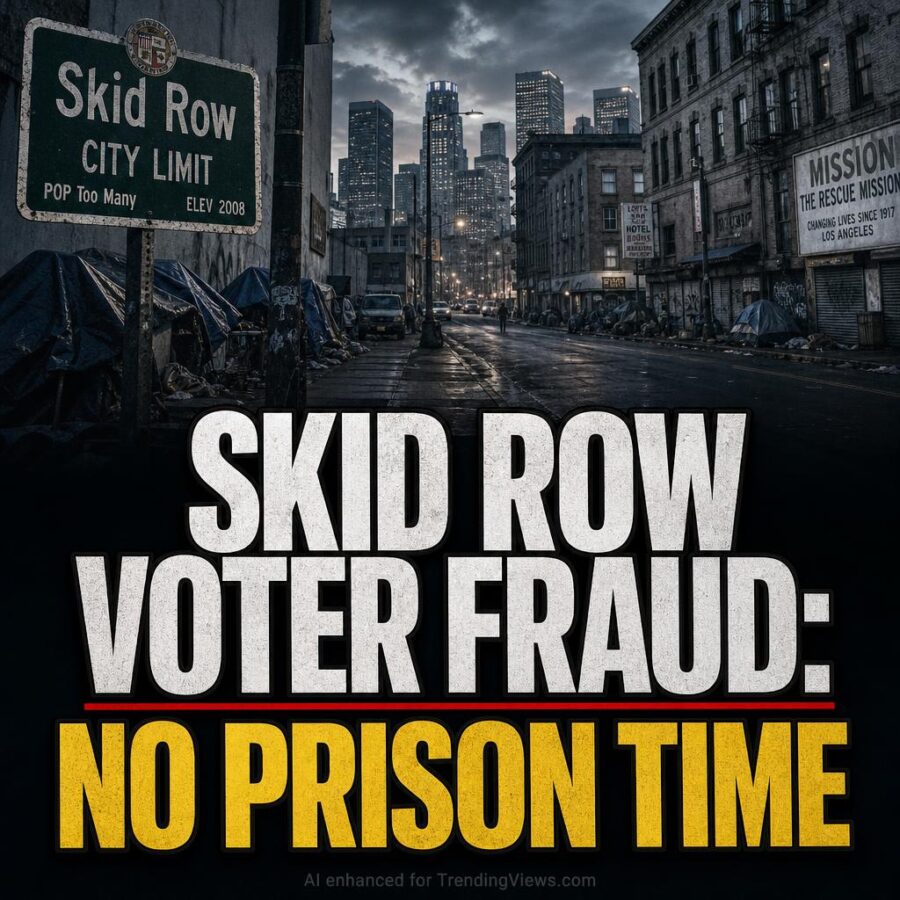
In 2025, she went to Skid Row, offered homeless individuals two to three dollars each to sign her petitions, then paid them again to fill out voter registration forms so their signatures would qualify. She collected stacks of blank registration forms from the Los Angeles County Registrar in advance. When a homeless person had no home address to put on the form, she wrote down her own, so any mail-in ballots generated would be delivered directly to her residence.
As originally reported, the scheme was exposed through undercover investigative work by journalist James O’Keefe, including footage of someone being instructed to write down “Pinocchio Lane” as a home address.
This was not a paperwork mistake. It was a cash-fueled operation designed to manufacture voter registrations and funnel the resulting ballots to a single address, at scale, with the capacity to affect Los Angeles and federal election results.
Armstrong likely received a reduced sentence because she cooperated with prosecutors and entered an early guilty plea. That trade can be justified if it produces larger targets. The coordinators who paid her per signature, the people whose payment structure made fraud profitable in the first place, have not been publicly identified or charged. Someone financed this operation. Someone built the incentive system that made it work. Armstrong ran the street-level end. She was not the architect.
That sentence only holds up if it helps bring those architects to justice. If the coordinators who designed and funded the scheme never face charges, then the outcome sends a clear message that election fraud is a manageable legal risk.
Harmeet Dhillon, who leads the Department of Justice’s Civil Rights division, stated that false voter registrations undermine public confidence in elections, particularly when money is involved, and that the department plans to continue protecting American elections from illegal interference. The New York Post reports that a broader DOJ investigation into election fraud is expected to begin soon, with California identified as a central focus as the state resists federal pressure to address voter rolls that officials say contain deceased and duplicate registrants.
If more perpetrators surface through that investigation, the public will be watching closely to see whether the consequences are more substantial than what Armstrong received.