Pakistan announced that the United States and Iran have come to an agreement regarding the wording of a peace deal. This development, described as a significant breakthrough, has the potential to bring an end to prolonged conflicts and tense negotiations.
Pakistani Prime Minister Shehbaz Sharif disclosed that a “final, agreed text” has been established. He stated that Islamabad is collaborating with both nations to facilitate the next steps in this diplomatic effort. Pakistan has been a crucial mediator throughout the current crisis, helping to navigate the complex discussions between the two parties.
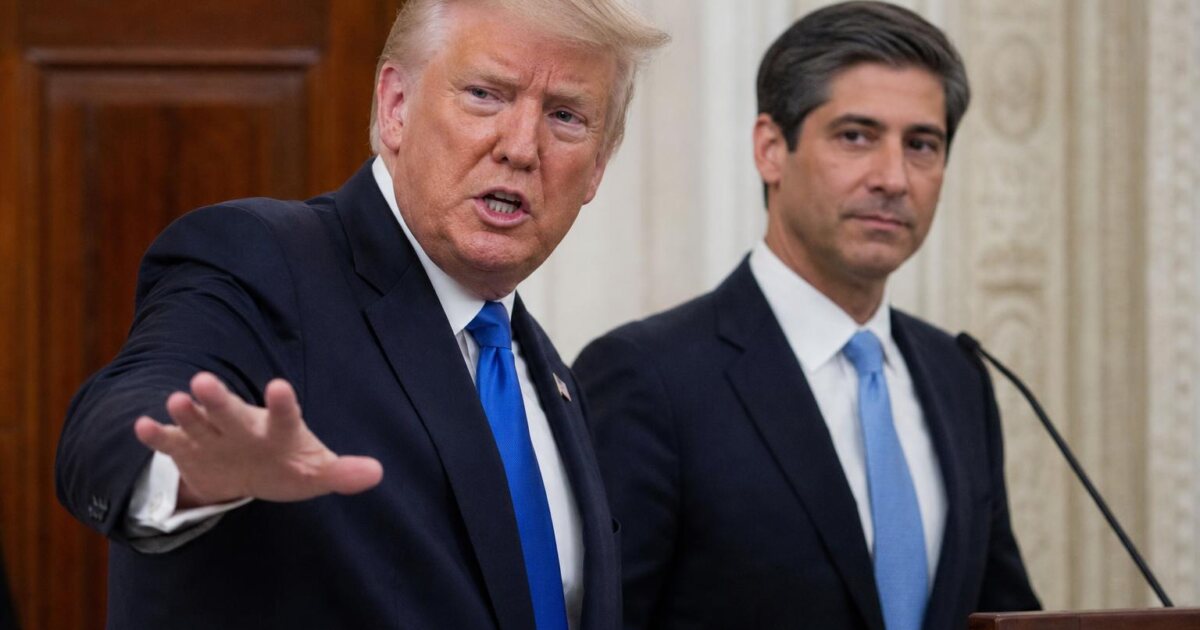
The announcement follows remarks from President Donald Trump, who indicated that a resolution with Tehran is nearing completion. However, he has raised concerns about how foreign media are portraying the specifics of the agreement. On Truth Social, Trump stated that the terms leaked by Iran do not reflect the actual agreed-upon deal. “The terms that Iran leaked out to the Fake News have NOTHING to do with the terms that were agreed to, in writing,” he asserted, further condemning the negotiation process as lacking good faith.
Special offer for our readers:
Tackle your credit card debt with 0% intro APR
In contrast, Iranian officials have taken a more cautious stance regarding the agreement. Although they acknowledge that the negotiations have advanced significantly, they have refrained from publicly confirming the approval of a final agreement. Reports suggest that internal reviews in Iran are still in progress.
While various media outlets have circulated details about the proposed agreement, neither Washington nor Tehran has released the official text to the public. Trump has criticized some reports as misrepresentations of the deal’s terms, emphasizing that the characterizations do not accurately reflect the discussions.
Pakistan’s involvement has been essential within this diplomatic context, having previously facilitated ceasefire arrangements and hosted earlier rounds of negotiations between the two nations. The country’s commitment to maintaining open lines of communication has kept both parties engaged in the dialogue.
Despite growing optimism about the negotiations, official timelines for when the agreement may be formally signed remain vague. Officials from Washington, Tehran, and Islamabad are presenting the deal as a significant advancement, although uncertainties persist regarding the concessions made by either side and the implementation timeline of any final agreement.
If finalized, this agreement between the US and Iran could stand as one of the most pivotal foreign policy achievements during Trump’s second term and has the potential to alter the balance of power in the Middle East.
In conclusion, while the announcement of this peace agreement marks a hopeful moment in US-Iran relations, the details remain unclear, and the path forward requires careful navigation as negotiations progress.