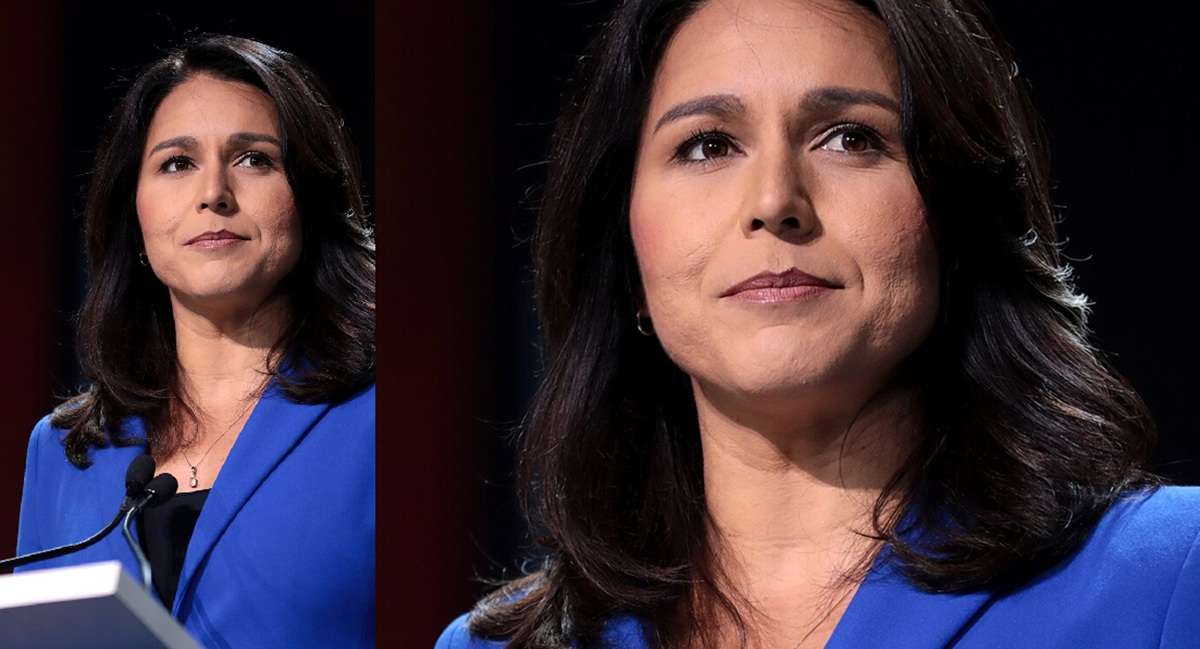
In a surprising development, Tulsi Gabbard, the Director of National Intelligence, has announced her resignation, citing her husband’s health issues. Her husband, Abraham, has been diagnosed with a rare form of bone cancer, prompting her decision to step down to care for him. Gabbard is set to remain in her role until June 30, during which she plans to release significant findings related to several high-profile investigations.
Impending Investigative Releases
Before her departure, Gabbard intends to disclose important information tied to investigations concerning Havana Syndrome, the COVID-19 pandemic, the weaponization of the federal government, and the 2020 presidential election. An intelligence source confirmed that these findings would likely be shared in weekly installments over the next month.
Transition in Leadership
Following Gabbard’s resignation, Principal Deputy Director of National Intelligence Aaron Lukas will assume the role of Acting Director, as announced by President Donald Trump. Gabbard has served as Director of National Intelligence for 15 months, focusing on various reforms aimed at transforming the intelligence community and restoring public trust.
Special offer for our readers:
Put Interest On Ice With These Top Credit Cards
Accomplishments and Reforms
During her tenure, Gabbard initiated numerous reforms that included declassifying a range of documents and revoking security clearances from officials who she believed abused public trust. She emphasized transparency and accountability within the intelligence community and eliminated diversity, equity, and inclusion (DEI) programs that she viewed as misaligned with the community’s mission.
Among her notable declassifications were records concerning the assassinations of significant historical figures, including President John F. Kennedy, Senator Robert F. Kennedy, and Martin Luther King Jr. Additionally, files related to the disappearance of Amelia Earhart and documents from the Biden administration outlining counterterrorism efforts were also declassified.
Cybersecurity Modernization Efforts
This year, Gabbard’s office announced a major achievement in the intelligence sector by completing the largest technology and cybersecurity modernization effort in American history. She touted the initiative as a way to enhance cybersecurity infrastructure, delivering more robust defenses and greater efficiency to American intelligence operations, ultimately benefiting the public.
Potential Political Repercussions
Gabbard’s departure comes at a time when her potential findings may further complicate the political landscape for Democrats. Her investigations into sensitive topics could generate significant discourse and scrutiny, especially concerning allegations of intelligence misuse and election interference. This development may create added tension among Democratic officials and their constituents, as they prepare for the disclosures set to unfold.
As Gabbard approaches her final days as Director of National Intelligence, her colleagues and political observers alike are eagerly anticipating the release of her findings. The next few weeks promise to be a pivotal period, making it evident that her departure will have lasting implications beyond just her role in the intelligence community.
As always, updates on this evolving story will be available, highlighting the significant changes taking place within the federal intelligence landscape.