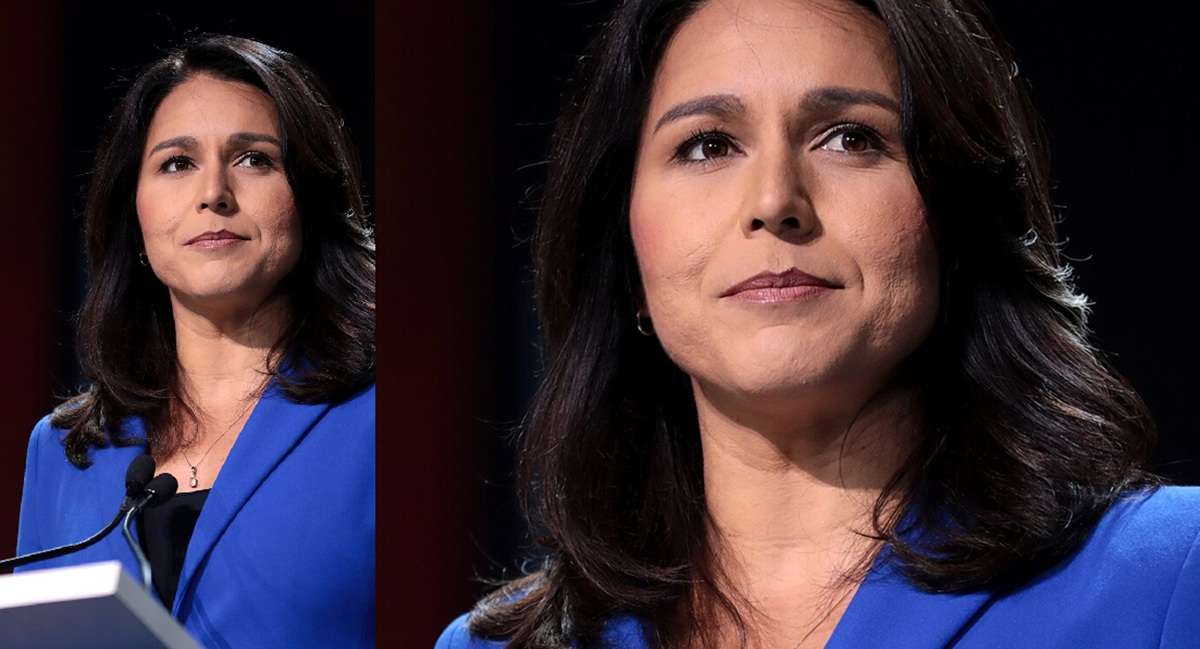
Tulsi Gabbard, the top-ranking official in U.S. intelligence, has announced her resignation from the role of Director of National Intelligence. In a letter addressed to President Donald Trump, Gabbard cited her husband’s recent diagnosis with a rare and severe form of bone cancer as the primary reason for her departure. The announcement was made public on May 22, 2026.
In her resignation letter, which she shared on social media platform X, Gabbard expressed her need to prioritize family during this challenging time. She stated, “At this time, I must step away from public service to be by his side and fully support him through this battle.” Gabbard’s last official day in the role is set for June 30.
Reactions from the Trump Administration
President Trump responded to Gabbard’s resignation through Truth Social, praising her contributions and expressing hopes for her husband’s recovery. He commented on her overall performance, stating that she had done “an incredible job” in her capacity as Director of National Intelligence.
Special offer for our readers:
Put Interest On Ice into 2027
Gabbard’s resignation marks her as the fourth female Cabinet member to leave the Trump administration. Notably, her tenure was characterized by significant tensions between her and other intelligence officials, including her CIA counterpart, John Ratcliffe. Despite her differences, Gabbard was not ousted like some previous Cabinet members.
Background on Tulsi Gabbard’s Tenure
Gabbard, a former Democratic congresswoman who endorsed Trump for the 2024 presidential election, faced scrutiny throughout her time in the role. Her views on military interventions often clashed with the administration’s policies. During critical discussions regarding military actions against Iran, Gabbard was frequently absent from major decision-making meetings, highlighting her outsider status within the administration.
Despite the challenges she faced, Gabbard acknowledged the progress made during her tenure while recognizing that important work remains ahead. In her letter, she commented, “While we have made significant progress, I recognize there is still important work to be done.” She expressed gratitude for the opportunity to serve the American public.
Controversies Surrounding Gabbard
Speculation regarding Gabbard’s job security had been persistent since her appointment as Director of National Intelligence. Her lukewarm endorsement of Trump’s military actions in Iran raised questions about her role and willingness to align with the administration’s agenda. This tension became evident during congressional intelligence hearings when she appeared uncomfortable addressing questions surrounding military interventions.
Throughout her political career, Gabbard has positioned herself as a fierce critic of U.S. military involvement abroad. While serving in Congress and during her 2024 presidential run, she has consistently opposed interventions in Iraq, Afghanistan, and other nations. Gabbard’s criticisms extended to Trump’s strategies concerning Iran, particularly following his withdrawal from the landmark 2015 nuclear agreement.
Gabbard’s Legacy and Acting Successor
In addition to her policy disagreements, Gabbard’s actions during her tenure raised alarms within intelligence circles. She disclosed sensitive information about a CIA officer, which caused considerable concern among agency personnel and marked a significant breach of protocol.
Following her resignation, Aaron Lukas, the principal deputy director of national security, is set to assume the role of acting director of national intelligence. Gabbard’s nomination had previously sparked criticism from both Democrats and Republicans, as nearly 100 former diplomats and intelligence officials expressed apprehension regarding her past statements and actions.
Despite the controversies that surrounded her, Gabbard maintained that her views were often a reflection of a broader dissent against the prevailing military establishment. Her resignation brings to a close a tumultuous chapter in U.S. intelligence leadership, and further developments regarding her departure and its implications are anticipated.