Nearly 1 million Americans will receive $500 checks tied to Obamacare exchange fees starting in October.
That is the announcement the Trump administration made Thursday, framing the payments as refunds for consumers who were overcharged through “user fees” built into their Affordable Care Act premiums. The White House called the program “Working Families Obamacare Refunds.”
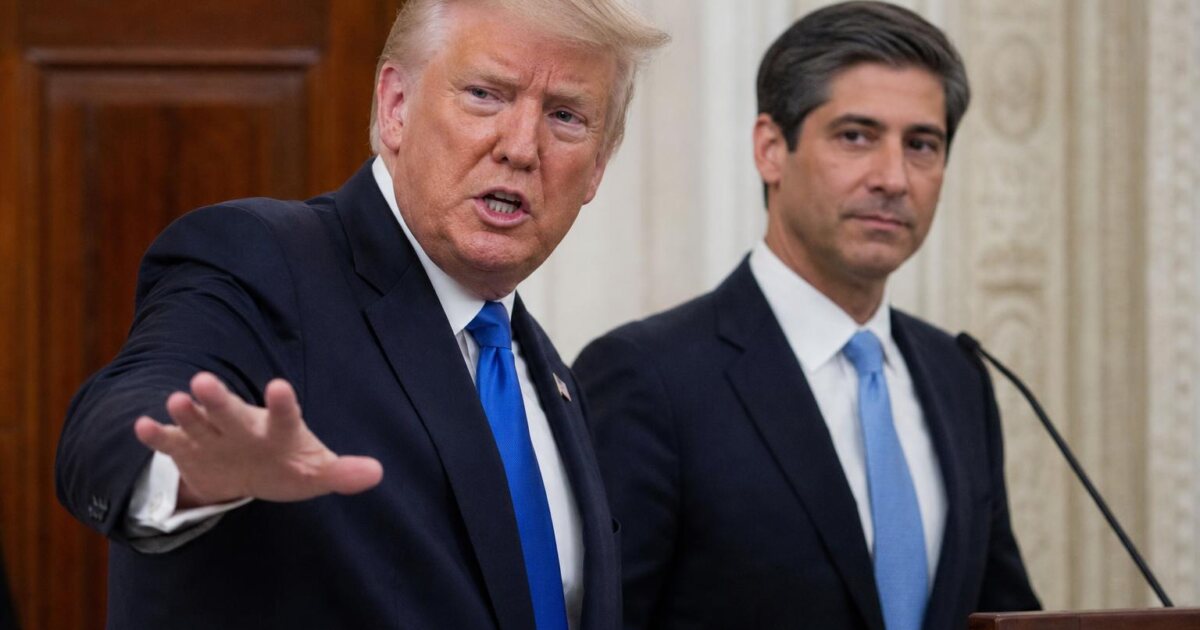
The checks, totaling roughly $500 million, will go to qualifying enrollees in 30 states that use HealthCare.gov to run their ACA marketplaces. “The relief begins with refunding everyone who was overcharged, and the rebates are going out in just a few weeks,” Trump said in a recorded statement.
Special offer for our readers:
Stop Throwing Out Money: Pay No Interest Until 2027
Not every ACA enrollee qualifies. The refunds are directed primarily at people earning more than 400% of the federal poverty level who do not receive federal premium subsidies. Some enrollees earning between 100% and 400% of the poverty level who did not receive premium assistance may also be eligible.
As originally reported, the 30 participating states include Alabama, Alaska, Arizona, Arkansas, Delaware, Florida, Hawaii, Indiana, Iowa, Kansas, Louisiana, Michigan, Mississippi, Missouri, Montana, Nebraska, New Hampshire, North Carolina, North Dakota, Ohio, Oklahoma, Oregon, South Carolina, South Dakota, Tennessee, Texas, Utah, West Virginia, Wisconsin, and Wyoming. States running their own independent ACA exchanges are not part of the program.
The administration’s argument centers on how insurers fund HealthCare.gov. Insurers pay a percentage of premiums as “user fees” to sell plans through the federal marketplace. Those fees cover the exchange’s operations, call center, and enrollment assistance programs. Rather than listing fees separately, insurers typically fold that cost into premiums.
The White House says the Biden administration collected more in fees than it needed and built up a surplus instead of reducing what consumers paid. It argues that unsubsidized enrollees, who absorb the full weight of premium increases, are the rightful recipients of the returned funds.
Health policy experts are less certain. Cynthia Cox, director of the ACA program at KFF, told Reuters that running a surplus does not automatically mean individual customers were overcharged. She also noted that part of the surplus grew because the Trump administration cut spending on programs funded by those fees while collection continued. Cox said she was not aware of any prior case in which user-fee revenue was returned directly to marketplace consumers.
Key questions remain unanswered. The Associated Press reported that the administration has not clarified whether $500 reflects each person’s actual overpayment, which federal account will fund the checks, or whether congressional authorization is required. Neither the Centers for Medicare and Medicaid Services nor the White House offered additional detail beyond a fact sheet.
The announcement arrives as the ACA marketplace faces real strain. About 19 million people currently hold exchange-based coverage. Millions dropped plans this year as enhanced pandemic-era subsidies expired and premiums climbed, with higher-income customers hit hardest.
The $500 refund program is separate from a far larger proposal Trump unveiled this week at the Republican midterm convention in Dallas, where he pledged $5,000 payments to American adults if Republicans hold both chambers of Congress in November. The White House confirmed the two proposals are unrelated.