The Department of Justice filed suit Monday against New York, Connecticut, and Vermont, three states that have been offering in-state tuition and financial aid to illegal aliens while American citizens from neighboring states paid full out-of-state rates at those same public universities.
The legal argument is straightforward. Federal immigration law has long prohibited states from granting illegal aliens benefits that aren’t equally available to American citizens. A state can’t simply declare someone a local resident based on a home address and use that designation to unlock subsidized tuition when an American student from a different state would be charged full price for the exact same education.
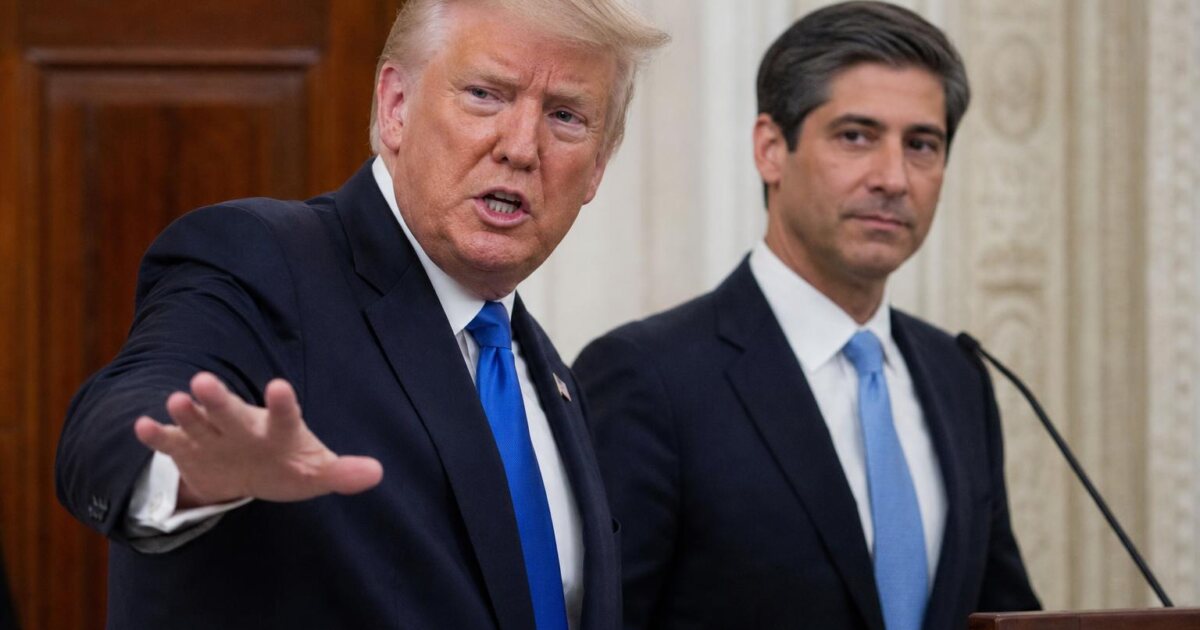
Assistant Attorney General Brett Shumate was direct about the administration’s position. “This is a simple matter of federal law: colleges cannot provide benefits to illegal aliens that they do not provide to U.S. citizens. This Department of Justice will not tolerate American students being treated like second-class citizens in their own country.”
Special offer for our readers:
Tackle your credit card debt with 0% intro APR into 2027
As originally reported, Monday’s actions mark the 17th round of lawsuits the DOJ has filed targeting in-state tuition policies for illegal aliens. The administration has now sued every state in the Second Circuit that has attempted to preserve these preferences, making clear this is a coordinated and systematic enforcement effort, not isolated legal action.
The economic reality of these policies is worth spelling out. When an illegal alien receives in-state tuition at a public university in New York, Connecticut, or Vermont, that subsidy is funded by taxpayers and offset by the higher rates charged to everyone else, including American citizens from other states whose own tax contributions help fund those same institutions. American citizens are, in effect, paying into systems that then price them out in favor of people who entered the country illegally.
In-state tuition exists for a specific reason. It rewards residents who have contributed to state institutions through taxes and community investment. Extending that benefit to people who are in the country illegally doesn’t just bend that principle, it breaks it entirely.
The DOJ noted that Congress made its intent clear long ago. States cannot place illegal aliens ahead of the nation’s own citizens when distributing government benefits.
With 17 lawsuits filed and more potentially on the way, the federal government has signaled it has no intention of backing down. The message from the Justice Department is consistent: American students come first.