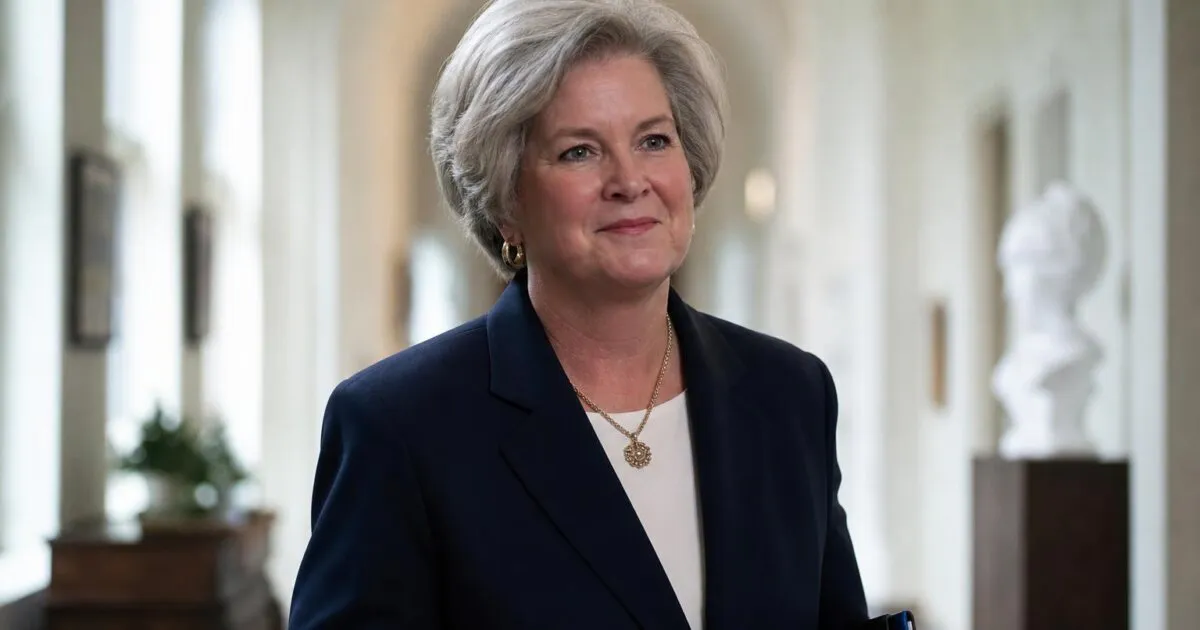
White House Chief of Staff Susie Wiles announced Wednesday that she is cancer free, six months after her breast cancer diagnosis became public.
Wiles shared the news following a visit to the Mayo Clinic, saying her latest pathology results came back clear. “I am cancer free,” she wrote, describing the update as personal news she was grateful to share.
According to Susie Wiles cancer free announcement, the results mean doctors found no evidence of cancer in the tissue examined, based on Wiles’ own statement.
Special offer for our readers:
Tackle your credit card debt with 0% intro APR
The announcement marks a significant milestone in a health battle that first became public in March, when President Donald Trump revealed Wiles had been diagnosed at an early stage. Trump said at the time that she had an excellent prognosis and intended to keep working while undergoing treatment. She did exactly that, staying on the job throughout the entire course of her treatment.
Wiles thanked her family, friends, and medical team in Wednesday’s statement. She also expressed gratitude to those who prayed for her. “A special thank you to President Trump for his unwavering support,” she wrote. “I am deeply grateful and will continue to work to advance his America First Agenda.”
Wiles is a historic figure in the role she holds. She became the first woman ever to serve as White House chief of staff, a distinction she earned after playing a central role in Trump’s 2024 presidential campaign before following him back into the White House.
Her diagnosis went public on March 16, when Trump praised her strength and said she planned to face the illness head-on rather than step back from her responsibilities. Wiles subsequently confirmed the diagnosis herself, noting that doctors had caught the cancer early.
Wiles said she intends to stay focused on her duties at the White House in the wake of the encouraging results.