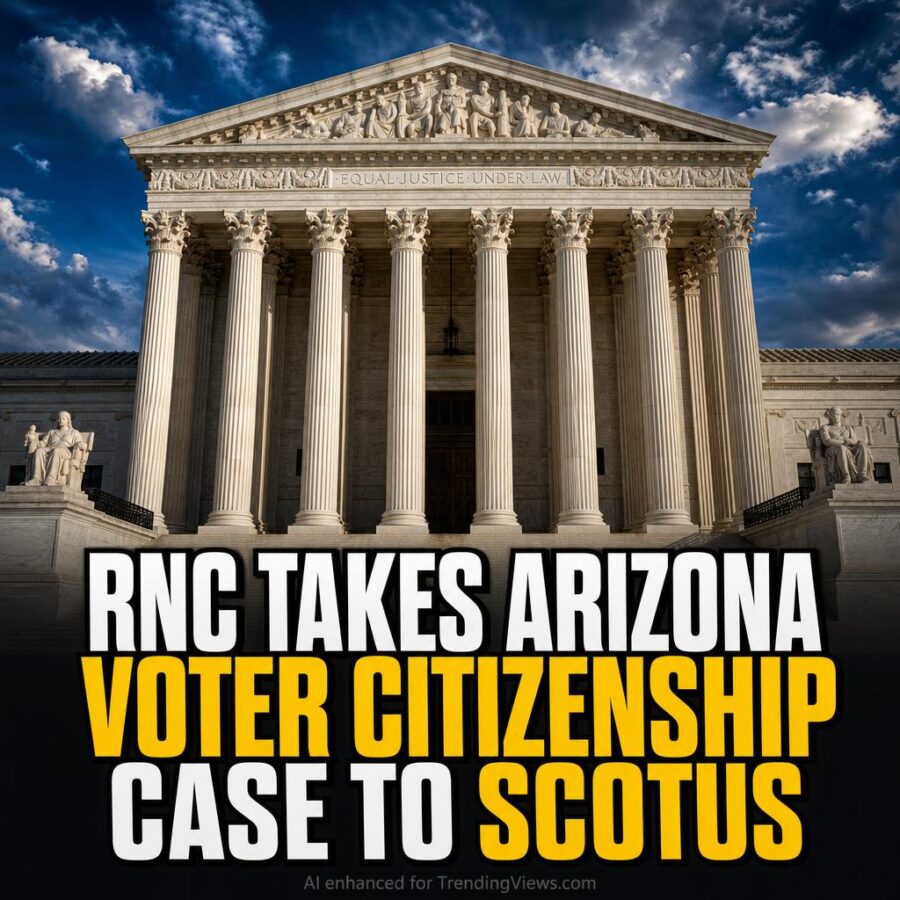
The Republican National Committee is taking an Arizona citizenship verification case all the way to the Supreme Court this fall.
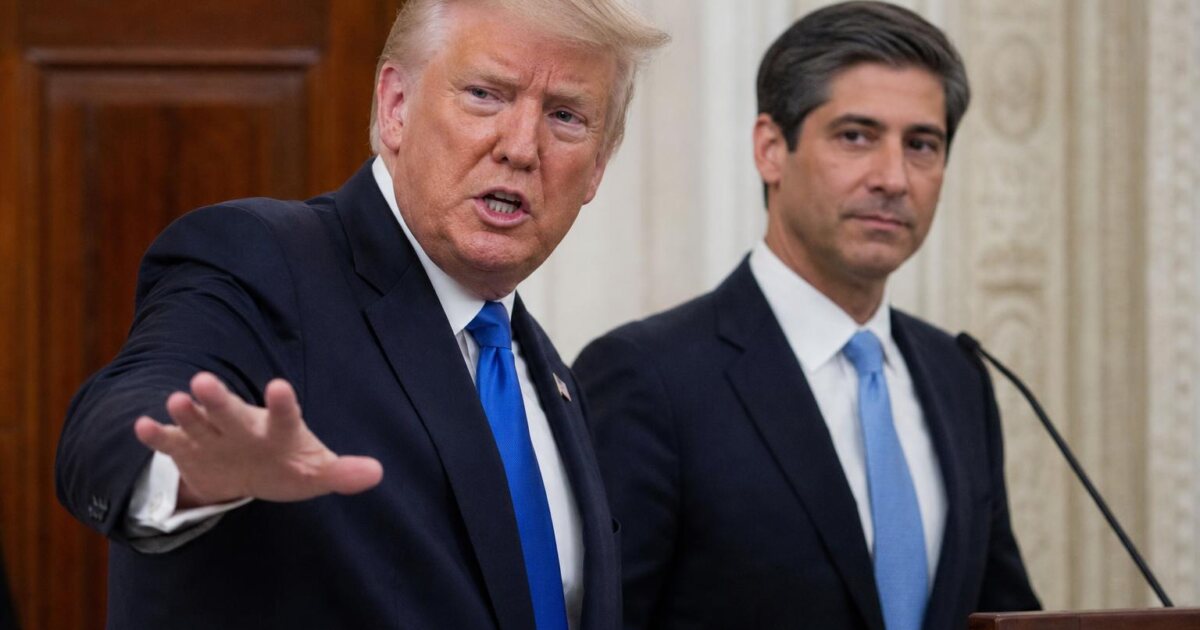
RNC Chairman Joe Gruters announced the move on Sunday. The case centers on whether Arizona can require documentary proof of citizenship before adding someone to its voter rolls. That question sounds simple. The legal history behind it is not.
One thing everyone in this case agrees on: noncitizens cannot vote. Federal law makes that a crime, and no party in this litigation is arguing otherwise. The actual dispute is narrower. It asks whether a state can demand written proof of a qualification that is already universally required.
Special offer for our readers:
Tackle your credit card debt by paying 0% interest until 2027
Arizona voters tried to settle this themselves back in 2004. Proposition 200 passed with roughly 56 percent of the vote, requiring documentary proof of citizenship at the point of registration. For a while, that was state law.
Then the Supreme Court stepped in. As originally reported, the Court’s 2013 ruling in Arizona v. Inter Tribal Council found that the National Voter Registration Act blocked Arizona from imposing its documentary proof requirement on applicants who used the federal registration form. That decision created an unusual split system that remains in place today.
Under the current setup, Arizonans who provide documented proof of citizenship register as full-ballot voters. Those who use the federal form and skip the documentation can still register, but only as what the state calls “federal-only” voters. That category allows them to cast ballots in federal races, but not in state contests.
The result is what many observers have called the most unusual voter registration arrangement in the country. Two tiers of voters, two different levels of ballot access, all depending on which registration form someone used.
The RNC’s push to bring this before the Supreme Court now sets up a high-stakes fall argument. The justices will be asked to draw a clearer line on how far states can go in requiring proof of the qualifications that both federal and state law already demand of every voter.
The outcome could have implications well beyond Arizona. Several other states have watched this legal back-and-forth closely, and a definitive ruling from the Court would settle questions that have lingered since the 2013 decision left the system in its current divided state.
Gruters framed the case as a matter of basic election integrity. The RNC is positioning the argument as a straightforward one: if citizenship is required to vote, states should be allowed to verify it. How the Court responds this fall will determine whether that logic holds up under federal law.