They said the tax cuts wouldn’t work. They said manufacturing jobs weren’t coming back. They said America First economics was a fantasy dreamed up by people who didn’t understand how the global economy actually operated.
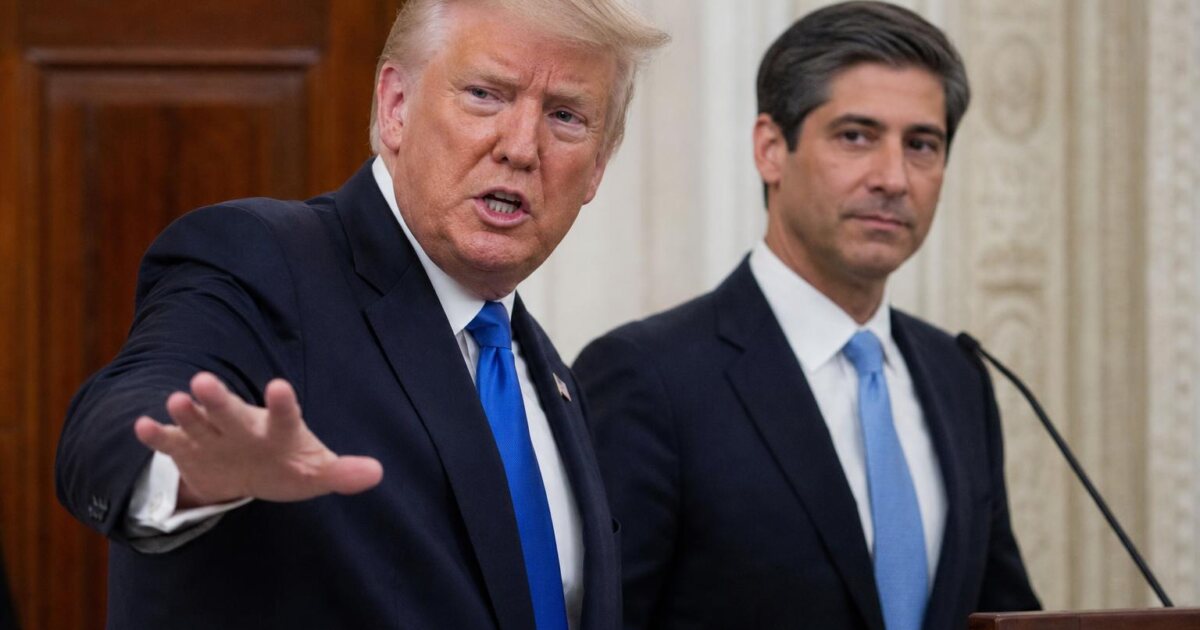
One year after President Trump signed the One Big Beautiful Bill into law, the National Association of Manufacturers has published the results. And the numbers are hard to dismiss.
Six million American manufacturing jobs supported. $540 billion in wages preserved for working Americans. $1.1 trillion added to GDP. Every single provision the NAM had advocated for, all ten of them, made it into the final legislation. Congress didn’t just protect the tax framework manufacturers needed. They added new provisions on top of it.
Special offer for our readers:
Tackle your credit card debt by paying 0% interest until 2027
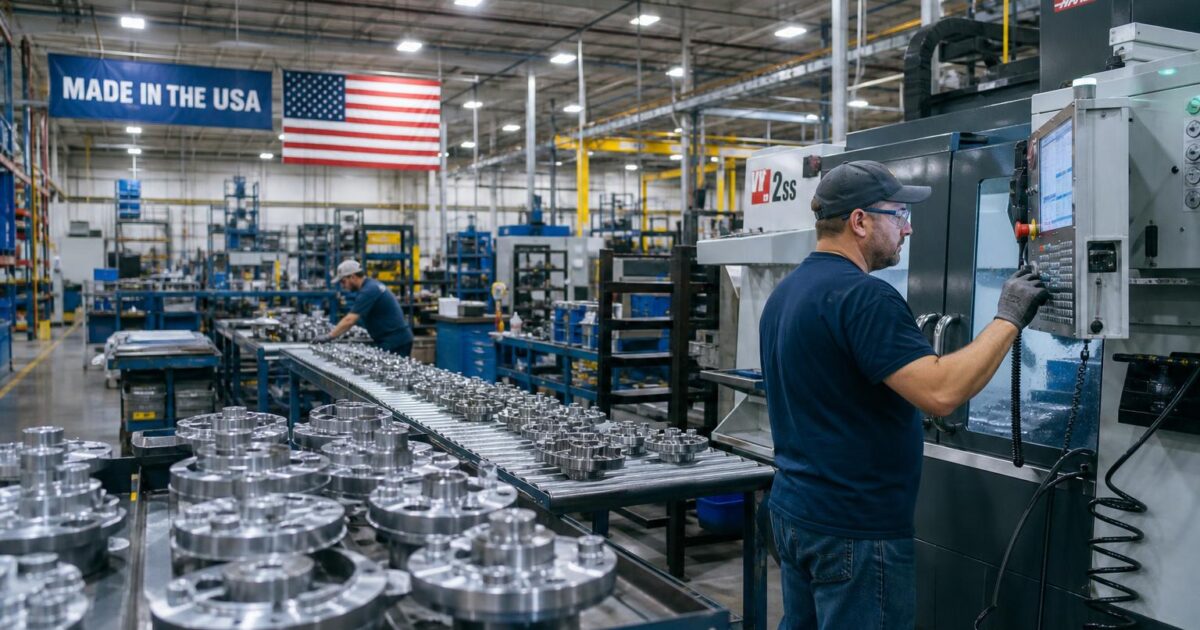
As originally reported, the NAM findings document what is happening on the ground across all 50 states. Not abstractions. Not projections. Not economic models built by think tank economists who have never run a payroll. Real companies. Real expansions. Real jobs.
This is what a pro-growth, pro-worker economic policy looks like when it is executed by people who actually believe in it.
Take Winton Machine Company in Suwanee, Georgia. Thirty-eight employees. A small manufacturer that most people in Washington have never heard of and will never mention in a speech. The One Big Beautiful Bill gave them room to reinvest in their operations, innovate in their industry, and plan for the future. CEO Lisa Winton put it plainly: “Our ability to reinvest drives job creation, advances new technologies and supports our communities.”
Then there is Martin Sustainable Resources in Louisiana. The company used the tax cuts, credits, and incentives in the bill to expand facilities, upgrade equipment, and make the kind of long-term investments that define a family-owned business. Full expensing for facilities and equipment. Estate tax relief that keeps the business in the family instead of forcing a sale to pay the government. CEO E. Scott Poole called it exactly what it is: fuel for modernization.
These are not outliers cherry-picked for a press release. They are representative of what is happening in communities across the country, in industries that rarely make national headlines but form the backbone of the American economy.
The critics built their arguments on the assumption that working-class manufacturing jobs belonged to the past, that the forces of globalization had settled the matter permanently. The NAM report, one year in, is making a different case. And the data is doing the talking.