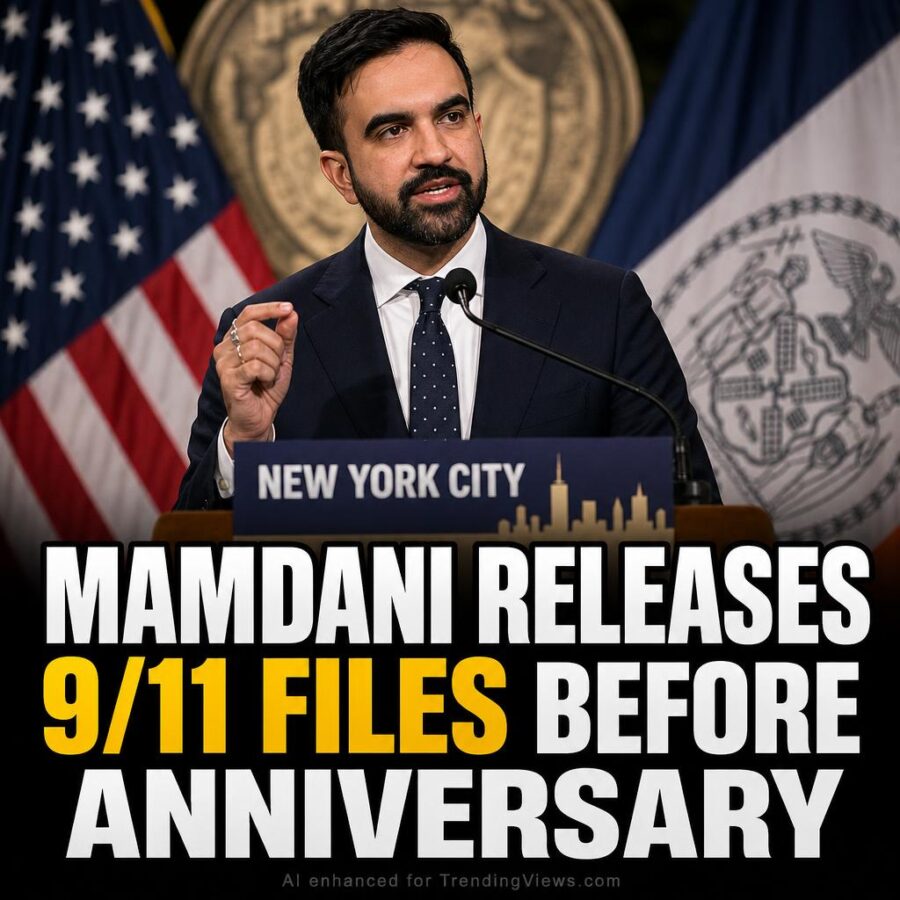
New York City is releasing over 170,000 pages of unpublished 9/11 air quality records just days before the 25th anniversary of the attacks.
Mayor Zohran Mamdani made the announcement with hundreds of thousands of additional pages set to follow over the next twelve months. The stated purpose is transparency. The controversy is everything around that stated purpose, starting with the timing.
The underlying story is real and painful. First responders and downtown residents were told the air near Ground Zero was safe when it was not. Thousands have since died from 9/11-related illnesses. By some counts, that number now exceeds the 2,977 killed on the day itself. Families and advocates who sued to obtain these records had every reason to want them released. That case for transparency is legitimate.
Special offer for our readers:
8 Top Credit Cards Offering Introductory No Interest into 2027
As originally reported, Mamdani did not release these records in March, June, or any other month. He chose the narrow window immediately before September 11, the one moment each year set aside to mourn those killed by radical Islamic terrorists.
That choice redirects the national conversation. Instead of focusing entirely on the victims of the attack, the release frames the anniversary around failures by city bureaucrats. Jon Stewart and a group of advocates joined Mamdani at the podium. The men who planned and executed the attack were absent from the framing entirely.
Framing is not a minor detail in political journalism. It determines who gets cast as the villain. Folding the more than 5,400 people who died from 9/11-related illness into a body count directed at City Hall shifts responsibility away from Osama bin Laden, Khalid Sheikh Mohammed, and the hijackers toward the officials who mismanaged the aftermath. Those are two separate and distinct moral categories.
Bureaucratic failure did compound the tragedy. That is documented and real. But the toxic air did not exist without the attack, and the attack did not happen without the people who carried it out. Collapsing those facts into a single indictment of government conduct is not just imprecise. Given the timing and the messenger, it does not read as an accident.
A mayor who wanted clean transparency could have picked any other month. Mamdani picked this one. That decision tells you something about the goal, and it is not purely archival.