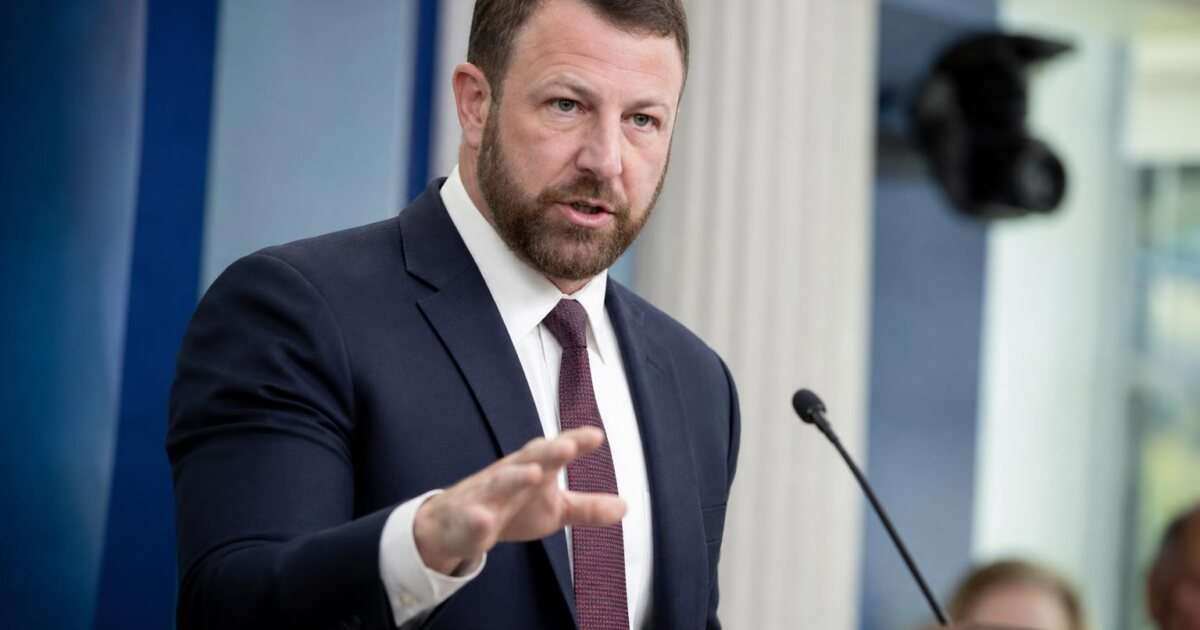
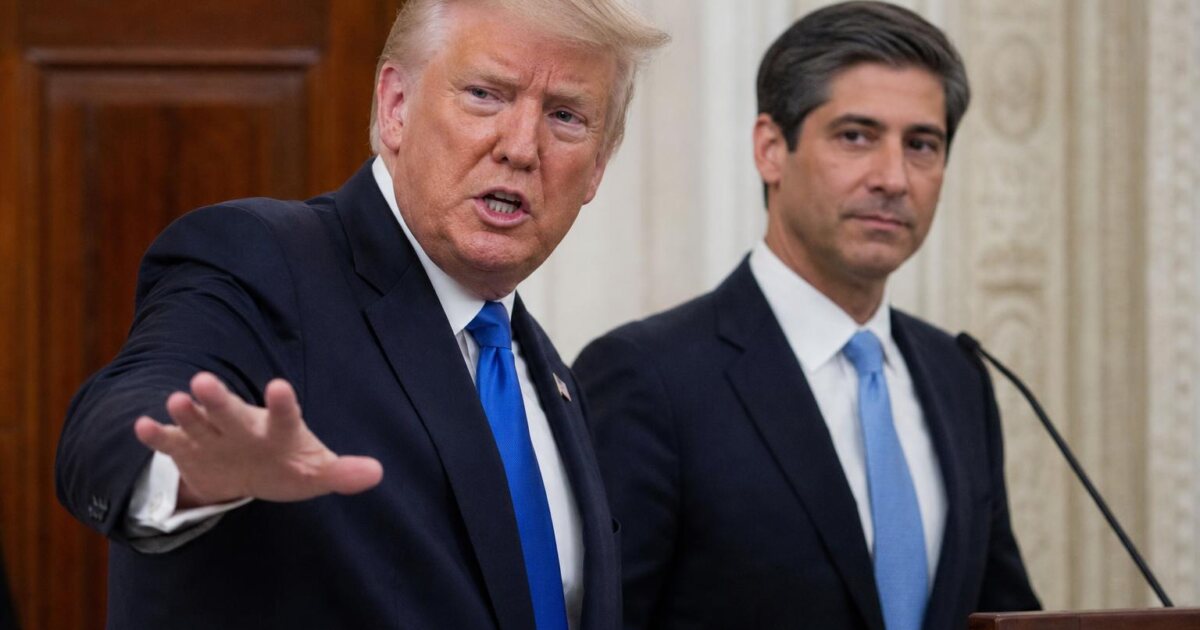
Karoline Leavitt left the White House Press Secretary job at just 28 years old, making her final appearance on morning television.
Her last day looked a lot like every other day she spent in that role. She was direct, composed, and fully on offense heading out the door. Her parting shot at Democrats was blunt: she accused them of wanting to empty prisons, eliminate police, and leave the borders wide open to criminals from around the world. It was a clean, sharp political contrast delivered without hesitation.
She also offered a personal tribute to President Trump that stood out for its sincerity. Speaking on NewsNation, she described him as fun, warm, generous, and deeply patriotic. She said he has a great sense of humor and a huge heart, and that she witnessed his genuine connection with veterans, Gold Star families, and angel moms firsthand. “It’s been such a joy and blessing to see that firsthand,” she said.
Special offer for our readers:
Pay No Interest Until 2027
As originally reported, Leavitt described the position as the “honor and blessing of her life” and called it an “adventure of a lifetime.” She is stepping back from the podium to spend time with her two young children, ages two years and four months.
She is not disappearing from politics entirely. Leavitt will continue working for Trump through MAGA Inc. in an outside advisory capacity.
Left-leaning media critic Aaron Rupar reposted a Fox News tribute supercut of her tenure and characterized her treatment of reporters as condescending. The clip celebrated moments where she pushed back firmly on the press corps. Her supporters see that record differently. Reporters in that briefing room frequently took adversarial positions toward her and the administration, and she met them in kind.
No permanent replacement has been named. The White House plans to rotate staff at the podium in the interim. Whoever eventually takes the job permanently will be walking into a role that Leavitt reshaped through sheer consistency and conviction. She showed up every day prepared and believing in what she was defending. That combination proved harder for critics to dismiss than they expected.
At 28, she held one of the most scrutinized communications jobs in the world and held it without visible hesitation. Her departure leaves a significant gap, not just in the briefing room, but in the broader political conversation she helped drive over the past year and a half.
The search for her successor begins now. The standard she set will not be easy to match.