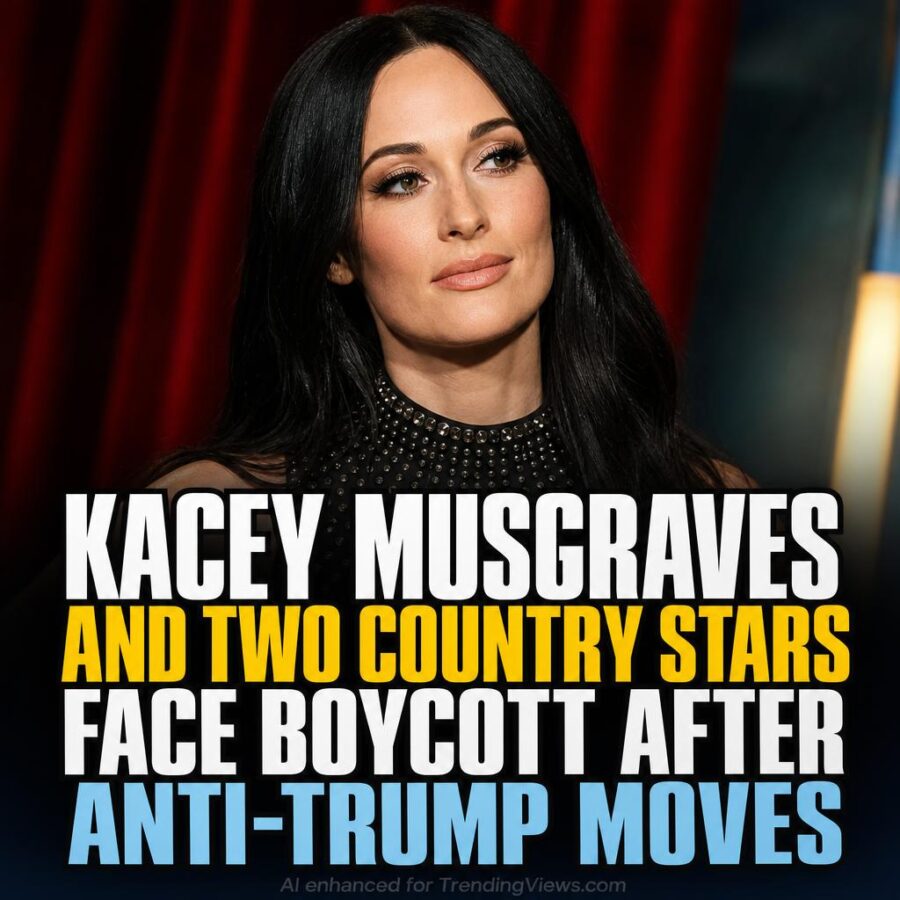
Kacey Musgraves asked concertgoers to donate to children of deported immigrants, sparking a major backlash.
Country music has deep roots in conservative America. The genre grew out of rural communities built on farming, mining, small business ownership, and self-reliance. The people who shaped it leaned on neighbors, not government, and prized personal freedom above nearly everything else.
That identity is now at the center of a fight. Progressive voices have been gaining ground in the country music industry, and three high-profile artists have drawn particular scrutiny for publicly opposing President Donald Trump. Their fans are pushing back hard, with calls for a sweeping boycott.
Special offer for our readers:
Tackle your credit card debt with 0% intro APR
At the center of the controversy is Kacey Musgraves, an eight-time Grammy winner. During a live performance, she encouraged the crowd to donate money to children of illegal immigrants she described as “unfairly” deported. She also called President Trump a “f***ing tool” for drawing attention to the viewership numbers of his COVID-19 press briefings during the pandemic.
As originally reported, Musgraves is one of three country artists now facing organized resistance from fans who say political activism has no place in the genre. The backlash has been vocal and pointed, with supporters of the boycott telling the artists directly that they are no longer welcome in country music.
The anger reflects a broader tension in American popular culture, where country music’s traditional fanbase is increasingly clashing with artists who hold views that break sharply from the genre’s conservative roots. For many fans, the genre is more than entertainment. It is tied to a specific set of values, and they see some of today’s biggest names as betraying those values for political reasons.
The boycott movement has gained momentum among Trump supporters, who argue that artists using concert stages or social media platforms to push progressive politics should face consequences in the marketplace. Fans have been clear in their message: they will take their money and streaming clicks elsewhere.
Musgraves built her career on honest songwriting and an outsider identity within Nashville. But her willingness to wade into immigration policy and criticize the sitting president has cost her goodwill with a segment of her audience that is not interested in separating the artist from the politics.
Whether the boycott translates into measurable damage to record sales, ticket revenue, or streaming numbers remains to be seen. What is clear is that a significant portion of the country music fanbase has drawn a hard line, and they are not backing down.