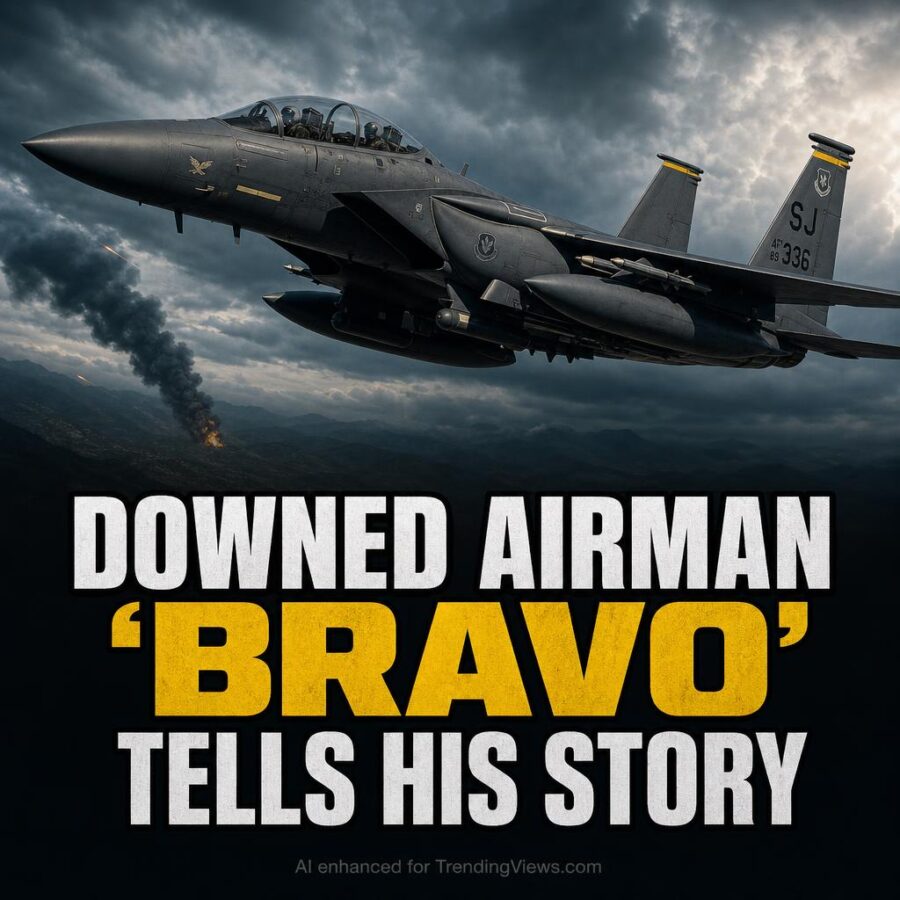
An Iranian missile shot down a U.S. Air Force F-15E Strike Eagle, sending its crew into a fight for survival on enemy soil.
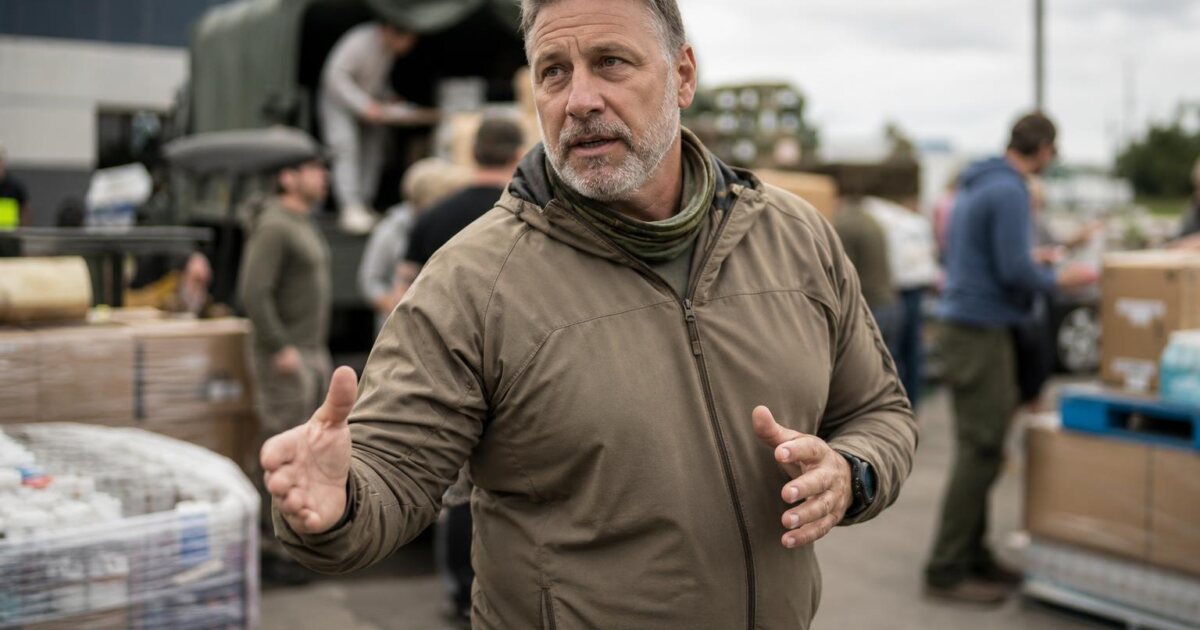
The airman at the center of that story is now speaking publicly for the first time. He is an Air Force colonel known only by his mission call sign, “Bravo.” He served as the weapons systems officer aboard the aircraft, designated Dude 44, when the Iranian missile found its mark last April.
What followed the shootdown was a brutal sequence of events. Bravo survived the initial impact, but the fall left him with broken bones. He then faced something few American service members have had to endure in recent decades, an active manhunt conducted by Iranian forces trying to locate and capture him before help could arrive.
Special offer for our readers:
Put Interest On Ice into 2027
According to the original report, American forces ultimately pulled off a rescue operation, extracting Bravo before Iranian personnel could reach him.
The colonel’s account marks the first time any detailed personal narrative has emerged from the incident. His identity remains partially shielded, with officials releasing only his tactical call sign rather than his name or rank specifics beyond his position as colonel.
The F-15E Strike Eagle is a twin-engine, two-seat multirole fighter. The weapons systems officer sits behind the pilot and manages targeting and navigation during combat missions. That crew configuration means Bravo was in the rear seat when the missile struck Dude 44, making his survival and subsequent ordeal all the more striking.
The April shootdown represented a significant and dangerous escalation involving U.S. military personnel operating in or near Iranian territory. The details of exactly where the aircraft went down and the precise circumstances of the rescue operation have not been fully disclosed publicly.
What is now on record, through Bravo’s own account, is that he endured a terrifying fall, serious physical injuries, and a desperate period of evasion before American forces located and retrieved him. The rescue itself has been described as daring, though specific operational details remain limited.
For a colonel who spent that time evading capture with broken bones in hostile territory, the decision to speak publicly, even under a call sign, signals that at least part of this story is now cleared for the record. The full picture of what happened to Dude 44 and its crew that April may take longer to emerge, but Bravo’s firsthand account has now given the public its clearest look yet at one of the more extraordinary American military survival stories in recent memory.