One of the central figures in Minnesota’s massive Feeding Our Future fraud scandal just made his situation significantly worse. Abdiaziz Shafii Farah, already serving 28 years for stealing tens of millions in federal child nutrition funds, was handed an additional 10-year prison sentence this week after trying to bribe a juror with $120,000 in cash. His total time behind bars now stands at 38 years.
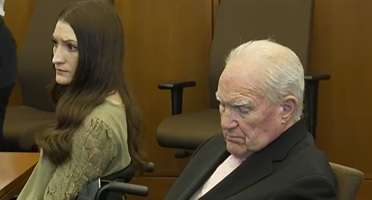
Chief U.S. District Judge Eric Tostrud imposed the maximum penalty at a sentencing hearing in St. Paul, calling the bribery attempt an outright attack on the judicial system. “It is hard to imagine a more serious case of bribery,” Tostrud told Farah. Three years of supervised release will follow the prison term.
The bribery plot took shape during Farah’s first federal trial, the opening case tied to Feeding Our Future, a Minnesota nonprofit at the center of a staggering COVID-era fraud involving money meant to feed children. About seven weeks into a trial with Farah and six co-defendants, members of the group moved to deliver cash to a juror in exchange for acquitting all seven. They targeted a woman identified in court records as Juror 52, apparently because she was the youngest juror and seemed to be the panel’s only person of color.
Special offer for our readers:
Hands Down Some Of The Best Credit Cards For 2026
As originally reported, federal prosecutors had pushed for just over 11 years, arguing that a stiff sentence was essential to deter future attempts to corrupt the justice system. Farah’s attorney requested six and a half years, with most of it running concurrently alongside the existing fraud sentence. Tostrud rejected that entirely, ordering every one of the 10 new years served after the 28-year term is complete.
Assistant U.S. Attorney Matthew Murphy pulled no punches at the hearing, describing the scheme as “an unprecedented attack on the justice system and democracy itself.” The conspirators had researched the juror online, tracked her movements, located her home, and made contact with her family. “How creepy is it that a defendant in a case is stalking you online and in real life, following you home, coming to your door, researching who you know in common?” Murphy told the court. “It’s chilling.”
The mechanics of the bribe were detailed and deliberate. Farah directed co-conspirator Abdimajid Mohamed Nur to pick up cash from a business connected to his brother Said Shafii Farah. Nur then handed co-conspirator Ladan Mohamed Ali a cardboard box with $200,000 inside. She pulled out $120,000, placed it in a Hallmark gift bag, and had it delivered to the juror’s home. A relative received the bag along with a promise that more money would follow if the juror could bring the entire panel to acquit every defendant. Another co-conspirator sat in a nearby vehicle filming the delivery and sent the footage back to Farah.
When prosecutors exposed the plot in court the next morning, Judge Nancy Brasel ordered all defendants to surrender their phones. Farah responded by performing a factory reset on his iPhone, wiping messages, video, and other evidence. He pleaded guilty in June 2025 to one count of juror bribery.
The underlying fraud was enormous. Farah and his associates stole more than $47 million by falsely claiming to have served 18 million meals to children across more than 30 fake distribution sites. Farah personally pocketed over $8 million, spending taxpayer money on luxury vehicles and real estate in Minnesota, Kentucky, and Kenya.
Before sentencing, Farah told the court, “I regret it every day.” The judge was unmoved by the sentiment. “This was a coordinated assault on our system of justice,” Tostrud said, making clear the additional punishment was fully warranted.