Someone inside the U.S. government handed classified military documents to a newspaper this weekend.
The Washington Post published a classified military assessment that revealed six four-star generals formally objected to continuing the Iran campaign. The heads of the Army, Air Force, and Navy, along with combatant commanders for Europe, the Indo-Pacific, and Latin America, each filed a formal “non-concur.” Their concerns centered on depleted munitions stockpiles, unsustainable strain on the fleet, and reduced capacity to deter threats in other regions.
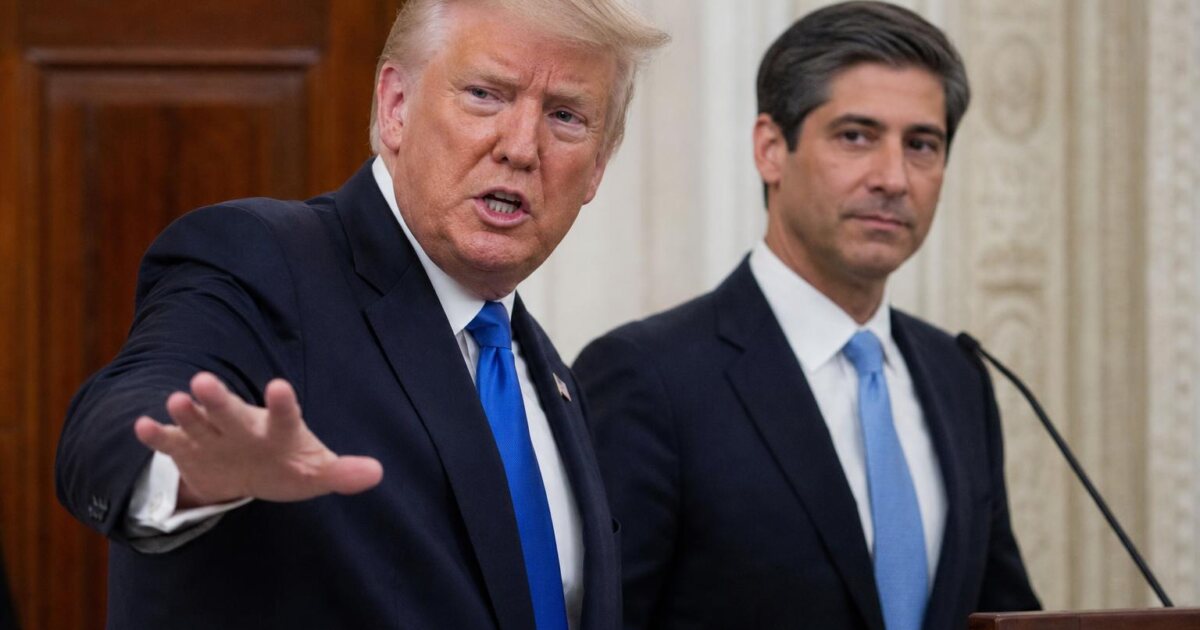
That part is not the scandal. Senior commanders are supposed to deliver honest written assessments to the National Command Authority, even when those assessments push back on current policy. The fact that these officers formally dissented in classified documents and then followed orders anyway reflects institutional integrity, not dysfunction. It also contradicts months of coverage suggesting Defense Secretary Pete Hegseth has surrounded himself with yes-men. Officers who simply tell their boss what he wants to hear do not file formal objections in writing.
Special offer for our readers:
Pay No Interest Until 2027
As originally reported, the document in question is the Secretary of War’s Orders Book, a highly classified assessment produced twice monthly that captures candid input from the Joint Chiefs and combatant commanders on global U.S. military readiness.
The actual scandal is the leak itself. Someone, military or civilian, lost an internal policy debate and chose to fight it through the press rather than through legitimate channels. There is no allegation that the Iran operation is unlawful. This was not whistleblowing. It was a deliberate decision to weaponize classified information and generate political pressure from outside the chain of command.
The strategic damage is not hypothetical. Iran and China now have a publicly credible source confirming that American commanders believe their forces are overextended, that the Navy is under strain, and that munitions stockpiles are depleted. Adversaries do not need the full operational war plan to exploit that information. They need to know when an opponent believes it cannot sustain a fight. Now they know. The individual who provided that information to the Post bears direct responsibility for whatever calculations an adversary makes as a result.
The Washington Post will frame this as accountability journalism. That framing does not hold. Publishing classified assessments that confirm military vulnerabilities to a global audience is not holding power accountable. It is putting the country at measurable risk. The leak itself is a federal crime. The publication of it goes well beyond reckless.
The comparison writes itself. Publishing operational military details during World War II, details such as the timing or location of the D-Day landings, would not have been protected by the First Amendment. A free press does not carry an automatic right to broadcast information that could get Americans killed. Someone needs to be charged. The longer that does not happen, the more certain it becomes that another leak will follow.