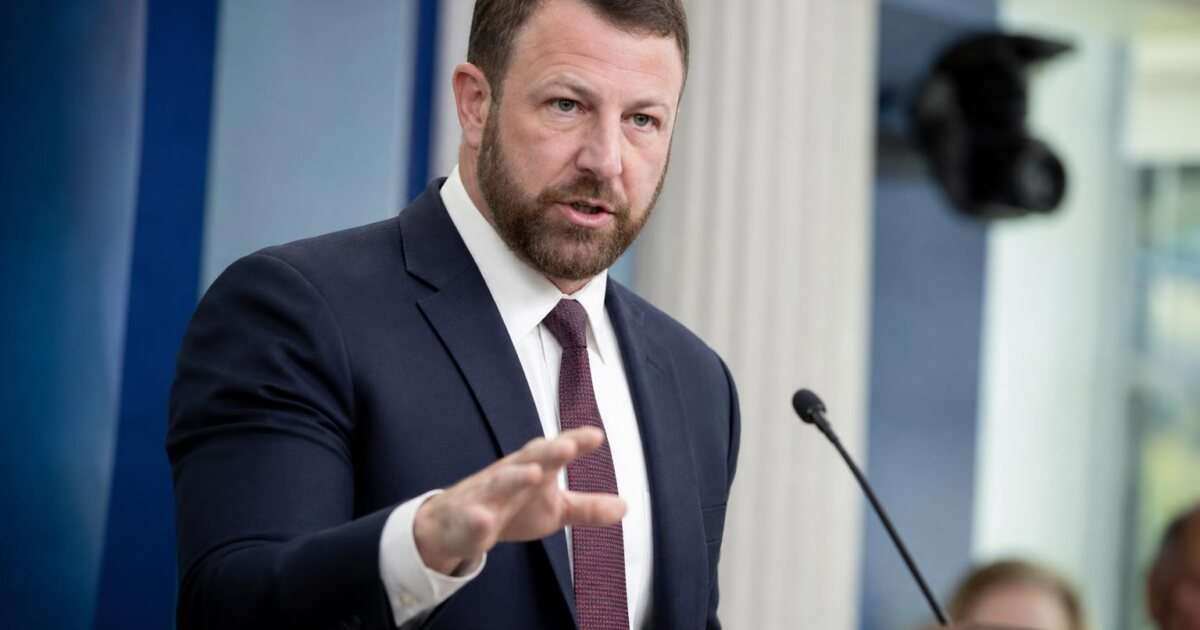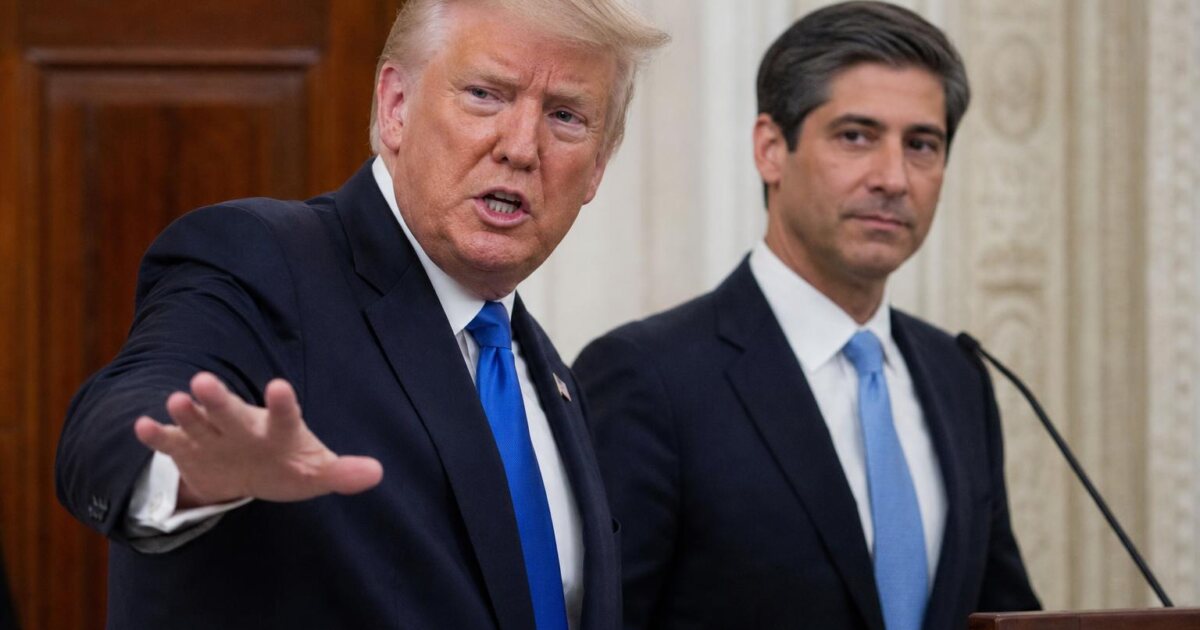
This is no longer a theory confined to political rallies or late-night commentary. It is firsthand testimony from a former senior CIA operations officer, on camera, with documents in hand.
James Erdman III, a career intelligence professional, sat down with investigative journalist Catherine Herridge and confirmed what has been building as a central accusation against the American intelligence community: that unelected career officials have been functioning as a self-appointed decision-making layer above elected leadership.
“There’s certainly people who believe that they are the adults in the room,” Erdman said, “and they’re here to make sure that the political leaders that are in charge, we can’t let them do anything too crazy. We’re here to make sure we temper their worst tendencies.”
Special offer for our readers:
Hands Down Some Of The Best Credit Cards For 2026
Read that again slowly. Career bureaucrats, funded by taxpayers and never voted into office, describing their role as tempering the decisions of elected presidents.
According to the original report, Erdman pointed directly to the China question as a concrete example. He described a deliberate “hesitancy to go up against China” during the Trump administration, and referenced a specific email in which officials decided not to surface certain intelligence findings because doing so might require including them in the President’s Daily Brief.
That detail is significant. The PDB is supposed to be the clearest, most complete picture of national security threats available to a sitting president. Choosing what goes into it, or what gets quietly left out, is a profound act of institutional power.
Erdman confirmed that this mentality connects directly to documents already made public. Declassified materials showed CIA analysts softening China interference assessments, NSA personnel altering PDB content, and FBI Foreign Interference Task Force lead Nikki Floris writing explicitly that she was “basically running a shadow government across the FBI.” Erdman confirmed Floris’s email is real, and that the mindset behind it is real.
He also named Tulsi Gabbard as the one senior official who genuinely attempted to reform the intelligence community from within, describing her as “the only one who actually conducted IC reform and did exactly what President Trump was asking her to do.” According to Erdman, boxes of documents Gabbard had prepared for declassification were seized by the CIA before release. She later resigned citing health reasons, before the full scope of her findings could be made public.
The institutional machinery Erdman describes did not run on its own. It was staffed. And that staffing is now at the center of the Trump administration’s ongoing restructuring of the Office of the Director of National Intelligence, including a fourth round of layoffs overseen by Bill Pulte.
The picture emerging is not abstract or ideological. It involves specific emails, specific decisions about what a president was and was not told, and specific individuals who believed their judgment outranked democratic accountability.
A career CIA officer just said so on camera. That is worth sitting with.