The Supreme Court has handed political parties a sweeping campaign finance victory, striking down limits on coordinated spending between parties and candidates just months before the 2026 midterm elections.
The 6-3 ruling, split along ideological lines, found that existing caps on coordinated spending violated the First Amendment. The decision fundamentally reshapes how tens of millions of dollars can flow into congressional races.
Under the old rules, coordinated spending between candidates and party committees like the NRCC or DCCC was capped based on the size of the district or state. Those caps are now gone entirely.
Special offer for our readers:
Tackle your credit card debt with 0% intro APR into 2027
As originally reported, Justice Brett Kavanaugh authored the majority opinion, calling the limits a “severe infringement on First Amendment-protected political speech.” He also argued that removing the caps could actually restore political parties to relevance after years of losing ground to outside groups and super PACs.
“To uphold the political-party coordinated-expenditure limits here could therefore help consign political parties to continued second-tier status as compared to outside groups,” Kavanaugh wrote. “Weakened political parties distort the political system.”
The case was originally brought in 2022 by the National Republican Senatorial Committee alongside the Senate campaign of now-Vice President J.D. Vance. Trump’s Justice Department declined to defend the law in court, while Democratic groups stepped in to oppose it.
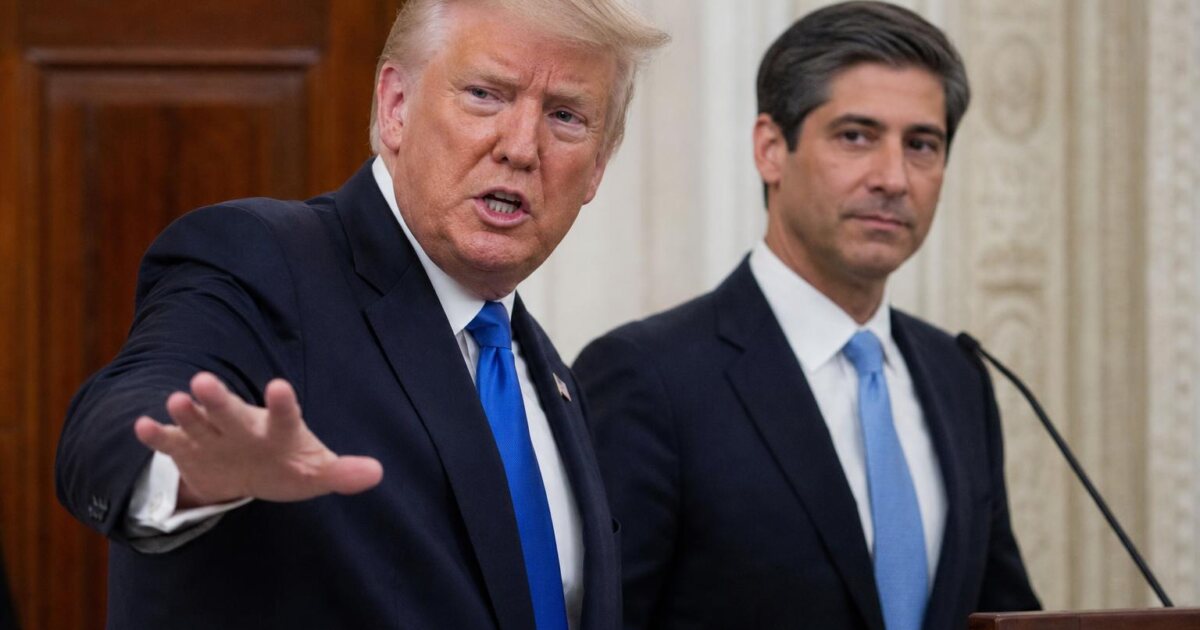
President Trump celebrated the outcome on Truth Social, writing: “The Supreme Court just took restrictions off political spending! A BIG WIN FOR REPUBLICANS and, more importantly, The First Amendment!”
Republican congressional leaders were equally enthusiastic. NRSC Chair Tim Scott and NRCC Chair Richard Hudson issued a joint statement saying the ruling “restored core political speech and ensured parties can compete on a level playing field,” adding they are ready to “fully support our candidates” heading into 2026.
Democrats fired back sharply. DSCC Chair Kirsten Gillibrand, DCCC Chair Suzan DelBene, and DNC Chair Ken Martin jointly called the ruling “a win for billionaire donors and special interests who want more influence over the GOP agenda and an invitation for corruption.”
The practical effects of this ruling are significant and immediate. National party committees can accept up to $44,300 per year from individual donors, compared to just $3,500 per election cycle for candidates themselves. By removing coordinated spending limits, candidates now gain indirect access to a much larger pool of money working on their behalf.
There is also a potential advertising advantage at play. Candidates receive lower TV ad rates than outside groups. If coordinated party spending qualifies for those same lower rates, campaigns and party committees could stretch their dollars further, while super PACs are stuck paying premium prices.
The ruling is expected to fuel a surge in political advertising in competitive House and Senate battleground races, reshaping the financial landscape of American elections for cycles to come.