A bipartisan Senate vote this week handed President Donald Trump a rare political setback, with four Republican senators crossing the aisle to support a resolution aimed at reining in his military authority over Iran.
The Senate passed the measure 50-48 on Tuesday, approving a House-passed resolution that instructs Trump to halt U.S. military operations against Iran unless Congress formally authorizes the action. It marked the first time since the start of the Iran conflict that such a resolution cleared both chambers of Congress.
The four Republicans who broke ranks were Sens. Susan Collins of Maine, Bill Cassidy of Louisiana, Lisa Murkowski of Alaska, and Rand Paul of Kentucky. They joined most Democrats in pushing the measure through.
Special offer for our readers:
Hands Down Some Of The Best Credit Cards For 2026
Not everyone on the left fell in line, though. Sen. John Fetterman of Pennsylvania stood as the lone Democrat to vote against the resolution, siding with Trump’s position on the military campaign.
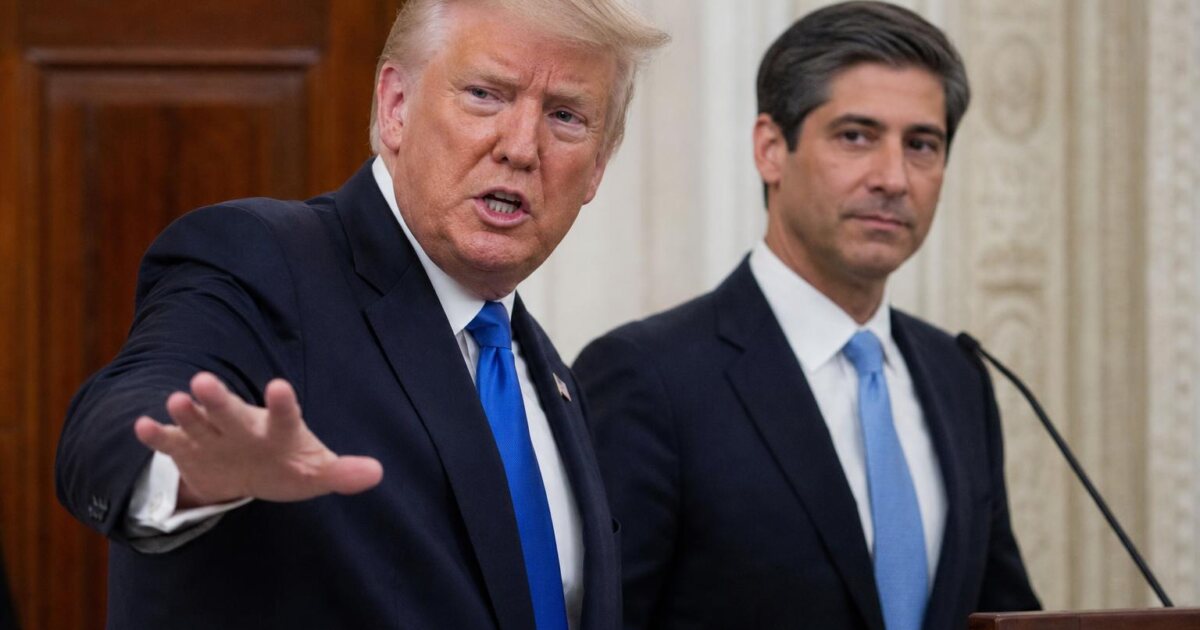
According to a report, Trump wasted no time firing back, taking to Truth Social to blast the Republicans who defied him, calling them “losers.” He added: “These Senators have just made my job more difficult, but I will get it done, one way or the other, because I always get it done!”
The resolution itself does not immediately alter Trump’s ongoing military campaign against Iran. But it carries real symbolic weight, delivering a pointed congressional rebuke at a politically sensitive moment.
The measure was introduced earlier this month by Rep. Gregory W. Meeks, a Democrat from New York. It directs the president to “remove United States Armed Forces from hostilities against the Islamic Republic of Iran” unless Congress issues a formal declaration of war or provides specific authorization for military force.
The vote puts a spotlight on deepening fractures inside the Republican Party over Trump’s Iran strategy, with midterm elections approaching this fall. While Trump remains the dominant force in the GOP, a small but consequential bloc of Senate Republicans has now shown it is willing to challenge him directly on questions of war and executive power.
The tension has been building. Trump has previously withheld endorsements from Republican incumbents who failed to fully support his agenda, making defections like this one all the more striking.
For now, the resolution changes nothing on the battlefield. But politically, it signals that even within his own party, Trump’s grip on the Iran debate is not absolute.