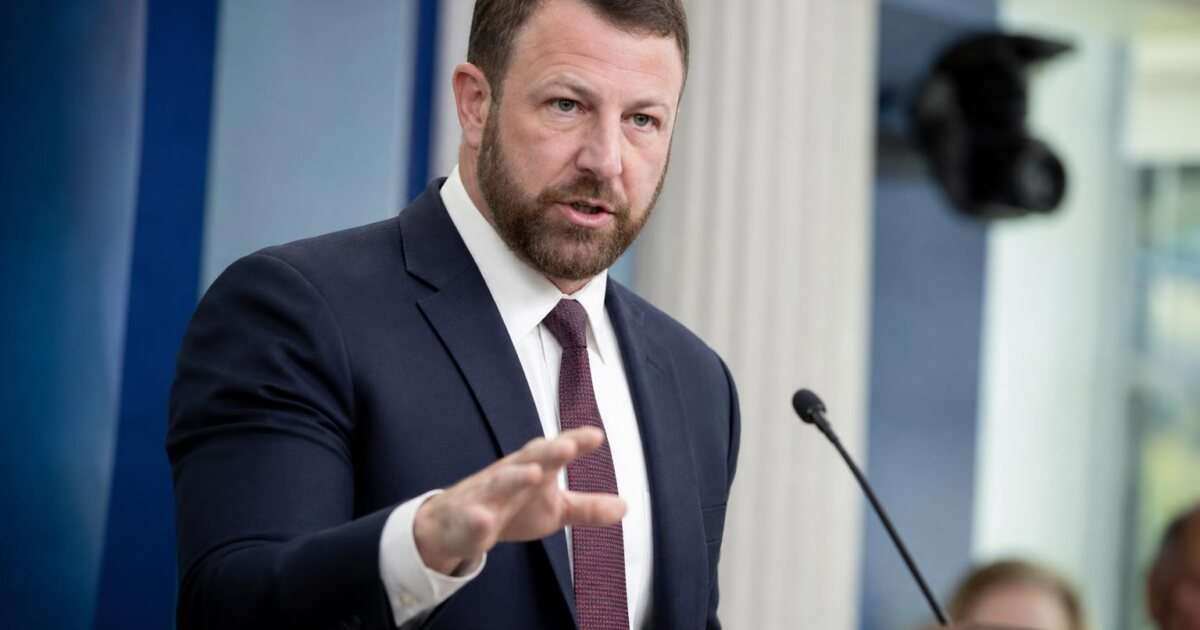
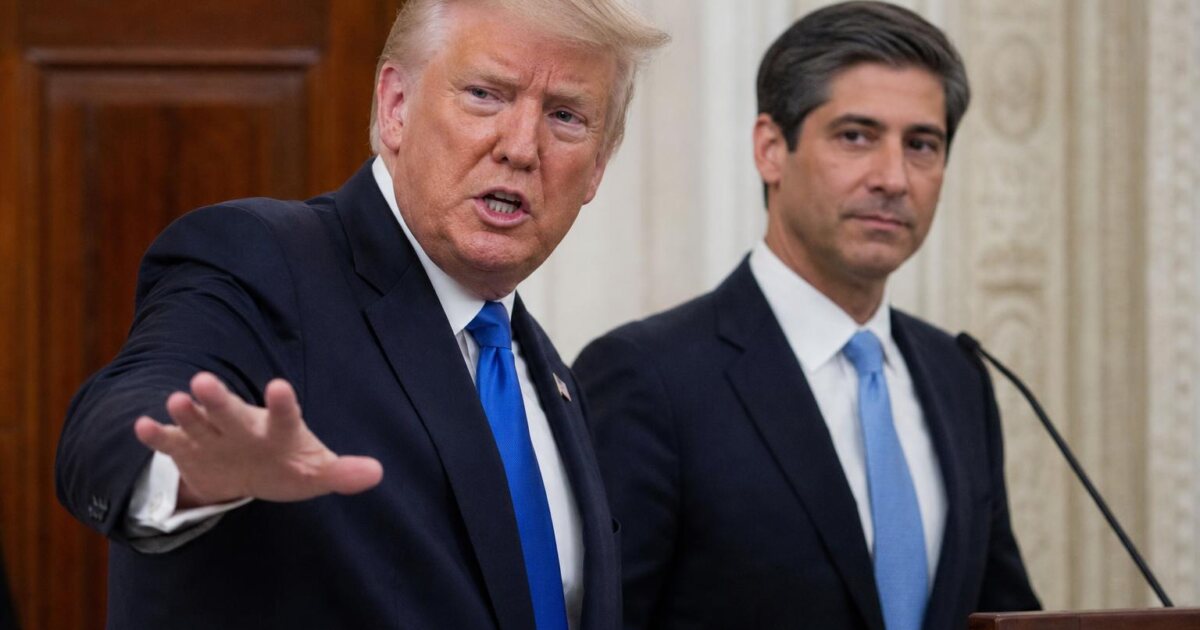
On May 18, 2026, House Democrats’ Litigation Task Force took significant action to counter President Donald Trump’s ongoing lawsuit against the Internal Revenue Service (IRS), a situation described as a sham $10 billion case. This legal action aims to prevent a taxpayer-funded settlement that the Task Force argues is unconstitutional. Led by Task Force Co-Chairs Judiciary Ranking Member Jamie Raskin and Assistant Leader Joe Neguse, along with Ways and Means Ranking Member Richard Neal and House Democratic Leader Hakeem Jeffries, the coalition seeks to protect American taxpayers from what they consider a fraudulent settlement.
Amicus Brief Filed in Court
Ninety-three House Democrats signed onto an amicus brief submitted in the Trump v. IRS case, which is currently before Judge Kathleen Williams in the U.S. District Court for the Southern District of Florida. This legal filing aims to block what the lawmakers argue is a corrupt attempt by Trump to settle the lawsuit. They contend that the proposed settlement includes the establishment of a $1.7 billion slush fund, allegedly meant for rewarding allies involved in the events surrounding the January 6th Capitol attack.
Claims of Unconstitutional Collusion
The amicus brief argues that the lawsuit is inherently problematic because President Trump acts as both the plaintiff and the defendant. House Democrats are urging Judge Williams to dismiss the case due to the lack of jurisdiction, asserting that it fails to meet the constitutional requirement of having a genuine case or controversy. According to Ranking Member Raskin, it is not permissible for an individual to play both roles in a legal matter, stating, “No president can concoct a fake case for $10 billion in damages against the government so he can be plaintiff and defendant and then ‘settle’ his bogus case against himself as a judge.”
Special offer for our readers:
Stop Throwing Out Money: Pay No Interest Until 2027
Concerns Over Corruption
Assistant Leader Joe Neguse echoed Raskin’s concerns, labeling Trump’s lawsuit as one of the most blatant examples of corruption from the administration. He argued that the legal case is not only unethical but also lacks the basic requirements for a valid lawsuit, namely the existence of two opposing parties. Neguse emphasized the need for the court to prevent taxpayers from having to shoulder the financial burden of this legal debacle.
Potential Implications
Ways and Means Committee Ranking Member Neal criticized Trump’s intentions, suggesting that the lawsuit is more about self-enrichment at taxpayers’ expense than about justice. He remarked on the implications of a potential backroom deal that could further entrench Trump’s influence over the case, highlighting concerns over his attempt to establish a billion-dollar slush fund related to January 6th and the subsequent implications it has for ongoing IRS scrutiny.
Legal Accountability and the Task Force’s Role
Legal experts Matt Platkin and Norm Eisen, who are co-counsel for the amici, stated, “It’s against the law for the president to in effect sue himself—and then settle for a huge sum.” They called on the court to intervene and halt what they term “shenanigans.” The Litigation Task Force’s approach in this matter is part of a broader strategy that has previously seen success in defending American consumers from predatory practices and unlawful directives issued by the Trump administration.
In summary, the House Democrats’ Litigation Task Force is actively working to challenge what they describe as an illegal and unethical lawsuit initiated by President Trump against the IRS. The outcome of this case could set significant precedents regarding the accountability of the executive branch and the protection of taxpayer funds.