The Department of Homeland Security is rolling out a new voluntary departure program targeting hundreds of thousands of migrants from Haiti and Syria, following a landmark Supreme Court decision that cleared the way for ending their protected status in the United States.
The program offers eligible individuals a free plane ticket plus roughly $2,100 in financial assistance to help them re-establish themselves in their home countries. It comes directly on the heels of a June 25 Supreme Court ruling that shifted the legal landscape for a federal program millions of immigrants have relied on for decades.
According to a report, the Supreme Court issued a 6-3 decision in Mullin v. Doe, holding that the Temporary Protected Status statute generally bars judicial review of the Homeland Security Secretary’s decisions to designate or terminate TPS for specific countries. The ruling overturned lower court orders that had previously blocked terminations for Haitian and Syrian nationals.
Special offer for our readers:
Tackle your credit card debt with 0% intro APR into 2027
Temporary Protected Status, established by Congress in 1990, allows nationals from designated countries already present in the United States to remain and work legally for a set period. Designations happen when the Homeland Security Secretary determines conditions in a foreign country, including armed conflict, natural disaster, or other extraordinary circumstances, make it unsafe or impractical for nationals to return. The status does not lead to a green card or citizenship and typically lasts six to eighteen months.
Justice Samuel Alito’s majority opinion noted a race-neutral explanation for the terminations, pointing to the administration’s consistent opposition to the TPS program as it had been previously implemented.
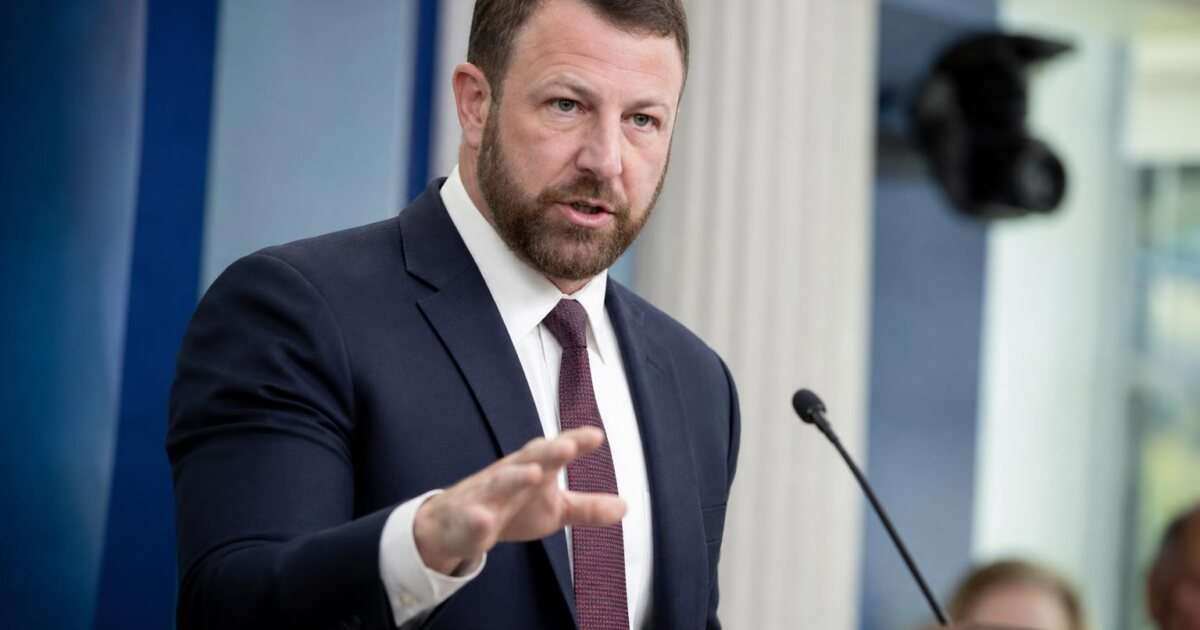
DHS Secretary Markwayne Mullin laid out the voluntary departure offer during an appearance on CNN’s “State of the Union,” explaining the options available to affected migrants. “Either try to fill out the paperwork and be here underneath a permanent status or we’ll help you get back to your country,” Mullin said. “We’ll actually give you a plane ticket, plus roughly $2,100 to help you re-establish when you get there, but temporary protective status, according to the courts and in its name itself, is not permanent status.”
The ruling directly affects approximately 350,000 Haitian nationals and 6,100 Syrian nationals currently living in the United States under TPS protections.
Those who do not pursue a path to permanent legal status or choose voluntary departure could face standard immigration enforcement proceedings once the terminations formally take effect. Current protections remain in place for TPS holders until termination dates are finalized.
The Department of Homeland Security says flights and financial assistance will be arranged for individuals choosing to return voluntarily, with implementation proceeding according to applicable legal timelines. Migrants in this category can also independently explore other immigration options, including applications for permanent status where they may qualify.