The United States military struck Iranian targets near the Strait of Hormuz for the second time in less than 24 hours, with President Donald Trump issuing his most severe warning yet against the Islamic Republic.
The back-to-back strikes came after a drone attack on a commercial cargo ship in the strait Friday evening. Trump said Iran launched at least four one-way attack drones at ships transiting the waterway. U.S. forces intercepted three of them, but a fourth got through, striking a Singapore-flagged cargo vessel. The ship sustained damage but was able to continue on its way.
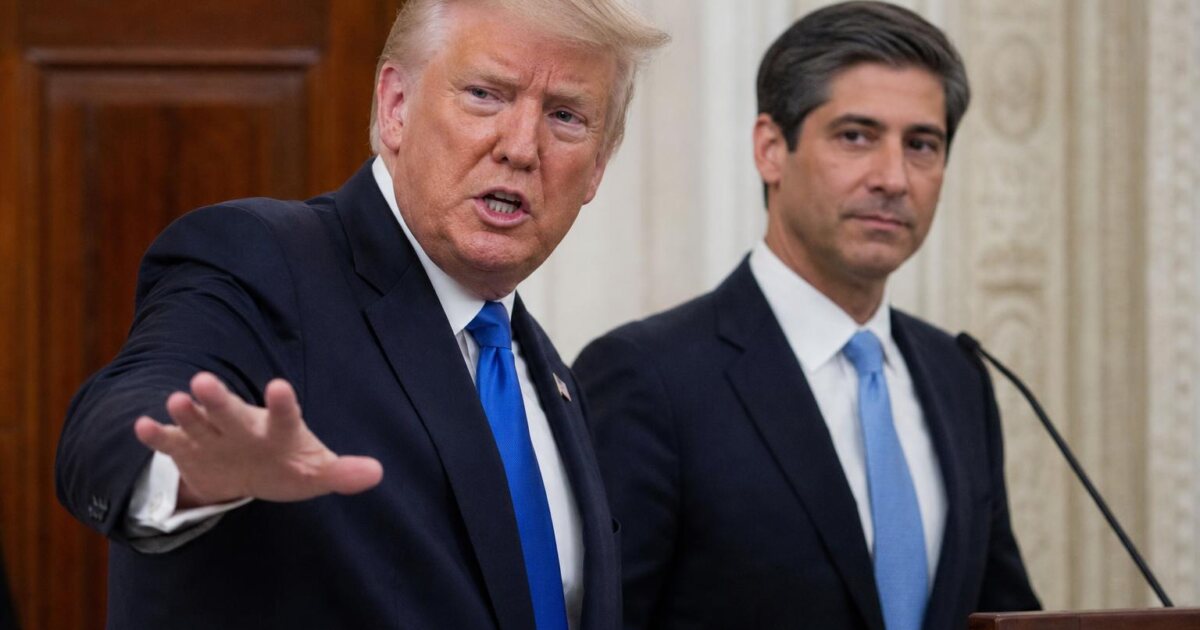
Trump took to Truth Social to condemn the incident directly. “Iran shot at least four One Way Attack Drones at Ships transversing the Strait of Hormuz,” he wrote, calling it “a foolish violation of our Ceasefire Agreement.”
Special offer for our readers:
Hands Down Some Of The Best Credit Cards For Balance Transfers
As originally reported, U.S. Central Command described the strikes as a direct response to what it called “unwarranted aggression against commercial shipping by Iranian forces” that “clearly violated the ceasefire,” adding that the actions undermined freedom of navigation in one of the world’s most critical trade corridors.
In a follow-up post, Trump escalated his rhetoric significantly, warning that American patience has limits. “United States aircraft just struck Iranian missile and drone storage locations, and coastal radar sites, for violating the Cease Fire Agreement, AGAIN,” he wrote. “It is very possible that they will never learn! There may come a point when we are no longer able to be reasonable, and will be forced to militarily complete the job that we very successfully started. If that happens, the Islamic Republic of Iran will no longer exist!”
The exchanges mark the most intense period of hostilities since the United States and Iran signed a 60-day Memorandum of Understanding in mid-June, sometimes referred to as the Islamabad Memorandum. That agreement suspended active hostilities and laid out a framework for a permanent peace deal. As part of the arrangement, the U.S. lifted its naval blockade of Iranian ports on June 18.
Iran has since reported conducting retaliatory actions against U.S. positions in Bahrain and Kuwait following the latest American strikes.
Both sides continue to claim the other is violating the terms of the existing agreement, even as diplomatic channels remain technically open. U.S. Central Command has not released detailed damage assessments from the strikes, and Iranian officials have characterized American military actions as a breach of commitments made during ongoing talks.
The situation remains highly volatile. With Trump openly raising the possibility of a full military campaign and Iran conducting what it describes as retaliatory strikes, the fragile ceasefire framework appears to be under serious strain.