President Trump is no longer negotiating with Iran. He is issuing terms.
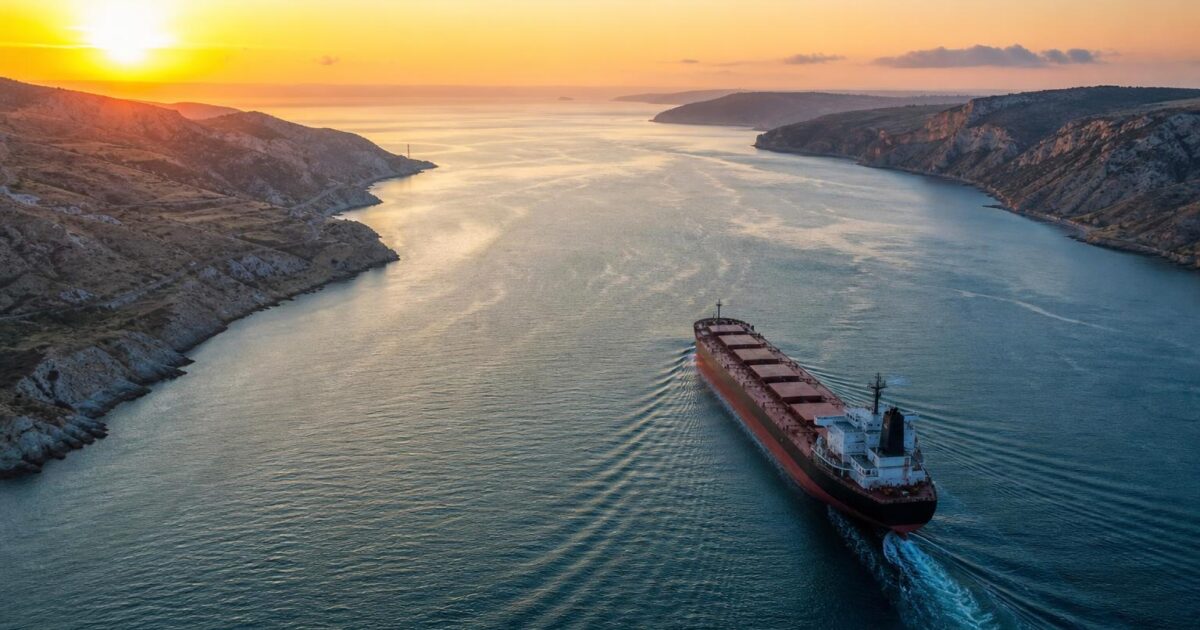
Tehran has until Saturday to publicly acknowledge that every channel in the Strait of Hormuz is open, toll-free, and that its forces will stop firing on commercial ships. The demand was delivered directly to Iran and through regional mediators. American officials made the consequences of non-compliance explicit: if Iran fails to deliver that public statement by Saturday, one official warned that “it is not gonna be a great day for them.”
That is not diplomatic language. That is a warning.
Special offer for our readers:
Put Interest On Ice into 2027
According to a report from Axios, Iran already broke the memorandum of understanding it signed last month. Within weeks of the ceasefire, Iranian forces were firing on commercial ships again, triggering exchanges of fire that pushed the fragile agreement toward collapse. Trump declared the ceasefire over at one point this week before agreeing to continue talks. But the administration’s position is now unmistakable: a regime that cannot honor a commitment as basic as not shooting at cargo ships cannot be trusted to honor a nuclear agreement. They want Iran to say publicly, on record, that it made a mistake.
Iran won’t say it. At least not yet.
Tehran’s account of events conveniently omits any acknowledgment of responsibility. Iranian officials publicly insist they have met all their obligations. Their UN ambassador went further, claiming Iran alone decides what happens in the strait, a position that directly conflicts with its long-standing status as an international waterway governed by freedom of navigation principles. Iran’s top nuclear negotiator says Tehran remains “distrustful of the Americans.” State media framed the Oman meetings as routine diplomatic consultations rather than what they actually are: a last-chance session to prevent another American military response.
The backstory makes Iran’s position even harder to defend. U.S. officials report that Iranian negotiators privately admitted to their American counterparts that hardline IRGC elements opened fire on ships specifically to claw back leverage they felt they had lost, particularly after Oman preemptively opened a southern shipping channel before the memorandum was even signed. In other words, Iran’s military fired on commercial vessels as a deliberate negotiating tactic. Now they want credit for restraint.
This is the Iran deal cycle playing out in real time. Ceasefire, violation, negotiation, repeat. Previous administrations accepted this pattern. Trump has already declared the ceasefire dead once, and his administration has demonstrated that its military capabilities are not theoretical.
Saturday is the deadline. The Strait is either open or it isn’t. Iran either admits its role or it doesn’t.
Trump has told them exactly what comes next if they choose wrong.